Tobacco Protest in Iran
Also called: Tobacco Régie, Tobacco Movement
When the Qajar shah granted a tobacco monopoly to a British subject, merchants and Muslim clergy led a nationwide boycott and won the concession back.
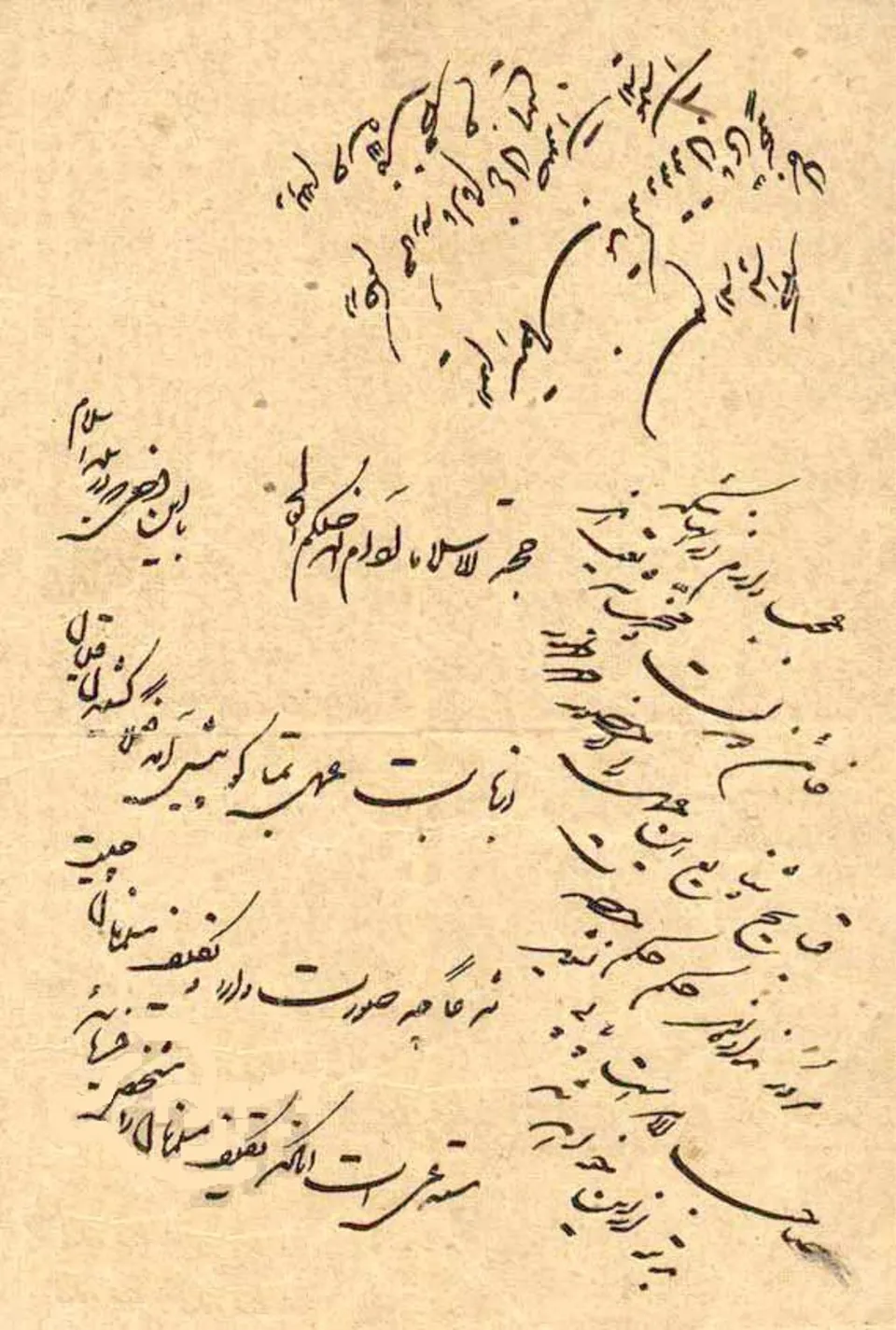
Mirza Shirazi · Public domain · Source
In 1890 Naser al-Din Shah of the Qajar dynasty granted the Englishman Talbot a fifty-year monopoly over the production, sale and export of Iranian tobacco. Merchants and the ulama protested, and when a fatwa issued in December 1891 in the name of the senior cleric Shirazi forbade smoking, the whole country gave up tobacco. In January 1892 the concession was cancelled. It was Iran’s first mass national movement, and the alliance of merchants and clergy carried over into the Constitutional Revolution. To pay compensation, however, Iran had to borrow from Britain.