Science1865

Founding of the Jiangnan Arsenal

Also called: Kiangnan Arsenal

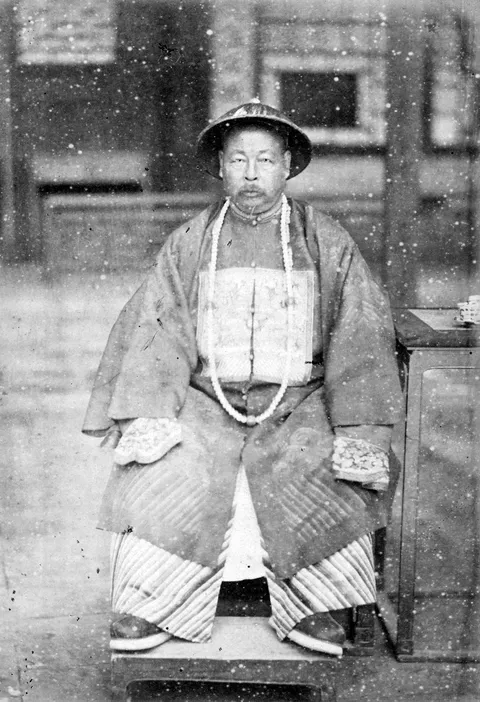
In 1865 Zeng Guofan and Li Hongzhang founded the Jiangnan Arsenal in Shanghai, a modern arms works that built guns, cannon and steamships, and translated Western books on science and technology.
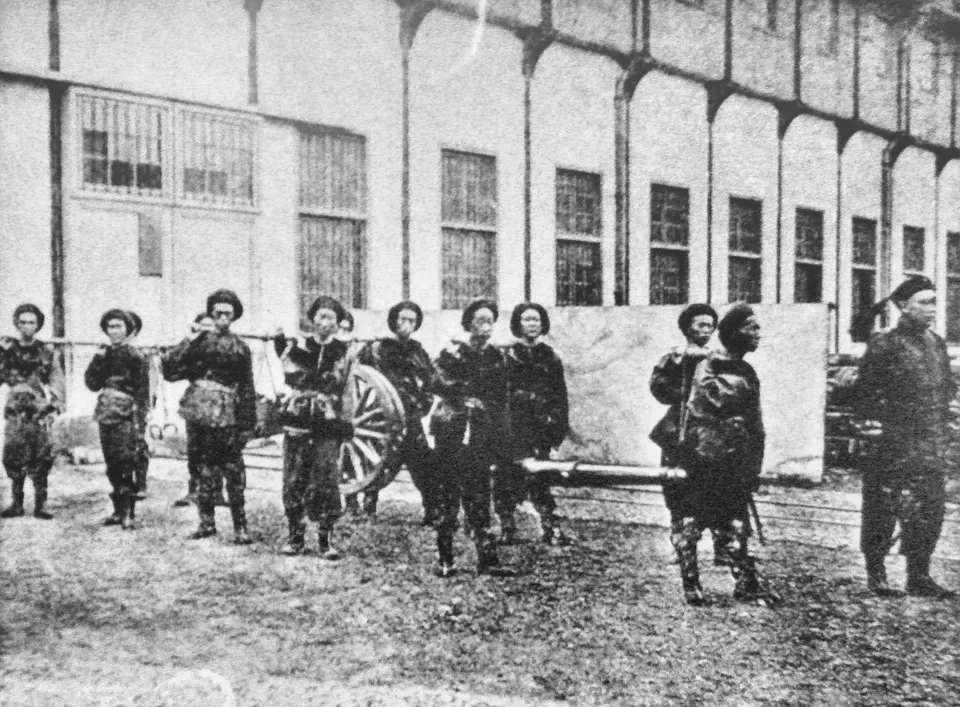
Moving a gun at the Jiangnan Arsenal

Own work · Public domain · Source

Having seen the power of Western weapons in the war against the Taiping, Zeng Guofan and Li Hongzhang bought an American-owned machine shop in Shanghai in 1865 and opened the Jiangnan Arsenal. The next year Zuo Zongtang founded a shipyard, the Foochow Navy Yard, at Mawei near Fuzhou.

The arsenal launched its first steamship in 1868 and produced rifles, cannon and gunpowder. Its translation bureau rendered hundreds of books on mathematics, chemistry, engineering and international law into Chinese, becoming a channel for Western knowledge into China.

Yet the bureaucratically run works were costly, depended on foreign technicians, and were not matched by political or educational reform. The achievements and limits of the Self-Strengthening Movement showed together here.
The map in 1865

OpenFreeMap © OpenMapTiles © OpenStreetMap contributors

States and rulers at the time
Qing — Tongzhi Emperor
Places
Jiangnan Arsenal, Mawei (Foochow Navy Yard)

People

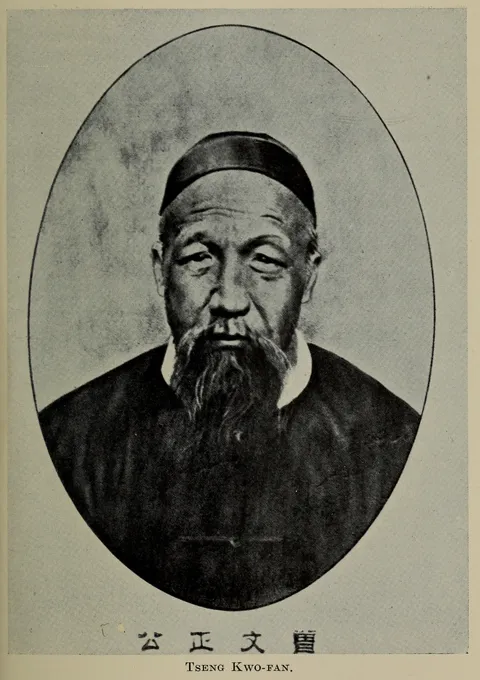
  • Zeng Guofan1811 – 1872

    key figure · Han Chinese official who raised the Xiang Army to crush the Taiping and launched the Self-Strengthening Movement

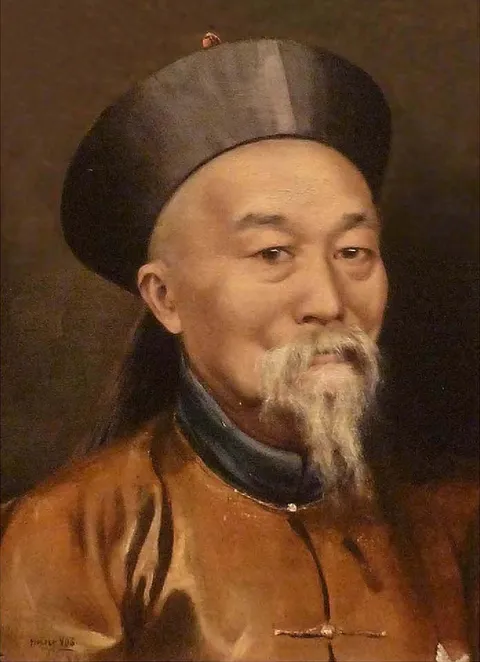
  • Li Hongzhang1823 – 1901

    key figure · Qing viceroy who steered policy toward Korea after 1882 and signed the Tianjin Convention and the Treaty of Shimonoseki with Itō Hirobumi

  • Zuo Zongtang1812 – 1885

    related figure · Late Qing Han Chinese statesman and general who helped crush the Taiping, founded the Foochow Navy Yard and in 1876–1878 overthrew Yakub Beg and reconquered Xinjiang

Themes that include this event

  • The Last Half-Century of the Qing1861 – 1901

    From the Self-Strengthening Movement to the Boxer Protocol — forty years in which a Qing China trying to learn Western technology lost to France and Japan, was carved up by the powers and saddled with indemnities it could not pay