Land Survey Project
Claiming to establish modern land ownership, Japan surveyed all land in Korea. Unreported land and royal and government land passed to the Government-General.
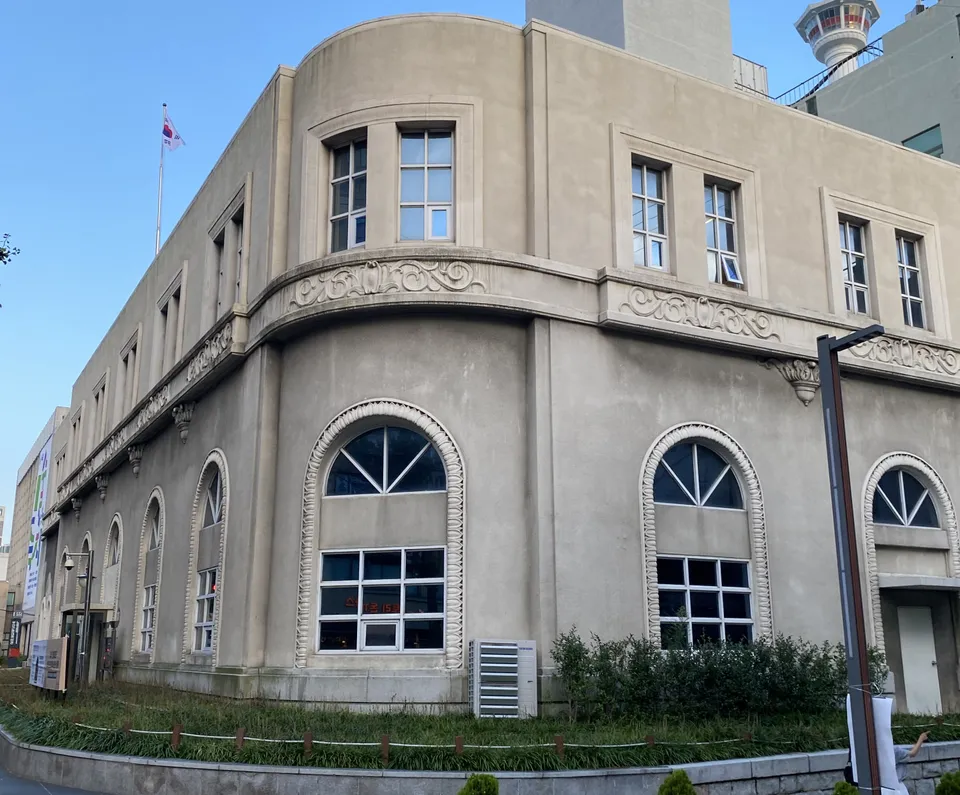
A Land Survey Bureau was set up in 1910 and the Land Survey Ordinance issued in 1912; the project ran until 1918. Owners had to report their land with documents within a fixed period. Because the procedure was complicated and poorly publicized, unreported plots, royal and government estates and village or clan common land passed to the Government-General, which sold much of it cheaply to the Oriental Development Company and Japanese settlers.
Only landlords’ ownership was recognized, and the customary cultivation rights farmers had held for generations were denied, so many fell to the status of tenants on short-term contracts. The Government-General secured its finances by collecting land tax precisely.
At the same time the Company Ordinance of 1910 required the Governor-General’s permission to found a company, blocking Korean enterprise (it became a reporting system in 1920). Forestry, fishery and mining ordinances seized resources, and ginseng, salt and tobacco became state monopolies.