Mausoleum of the First Emperor and the Terracotta Army
Also called: Terracotta Army, Terracotta Warriors
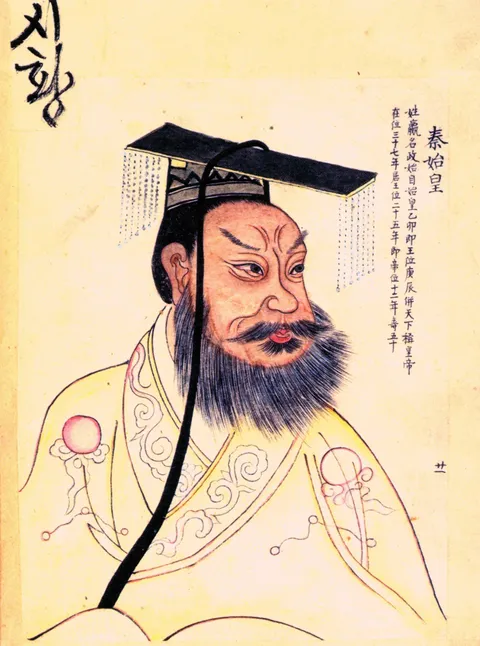
As soon as he became king of Qin at thirteen, the future First Emperor began building his tomb at the foot of Mount Li. In 1974 farmers digging a well found the life-size clay army that guards it.
Qin kings began their tombs on accession. Zheng, who became king in 246 BCE, started his at the northern foot of Mount Li east of Xianyang, and after unification, the Records of the Grand Historian say, more than 700,000 convicts and commoners from across the empire were put to work on it and on the Epang Palace. Sima Qian wrote that the tomb held rivers and seas of mercury, a ceiling painted with the sun, moon and stars, and crossbows set to shoot grave robbers.
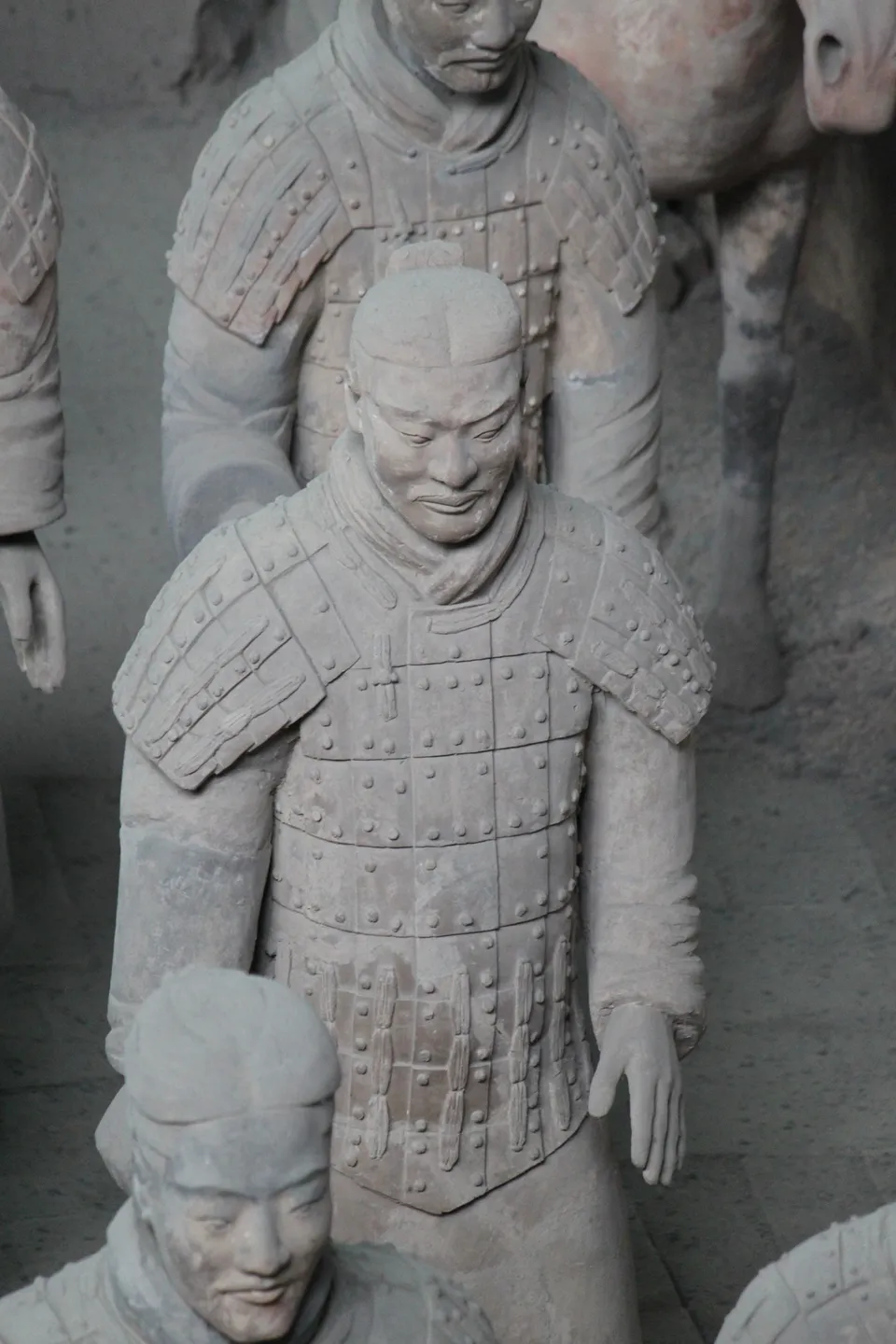
In the spring of 1974 farmers digging a well 1.5 km east of the mound found fragments of clay soldiers. Excavation revealed three pits of armoured infantry, archers, chariots and cavalry drawn up in battle order — some 8,000 figures by estimate, each with its own face and hairstyle. They were once painted, but the colours faded fast on contact with the air.
The mound itself has not been excavated. Surveys have found high levels of mercury in the soil around it, in keeping with Sima Qian’s account. The mausoleum and the terracotta army became a World Heritage Site in 1987.