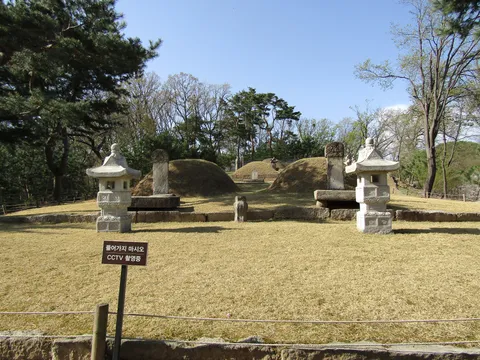
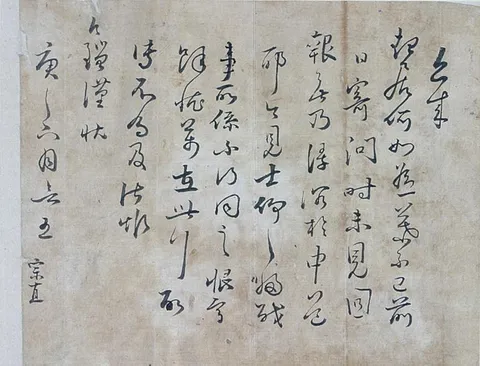
Muo Literati Purge
Claiming that Kim Jong-jik's essay had insulted King Sejo, Yeonsangun executed or exiled Gim Il-son and other Sarim scholars — the first literati purge.
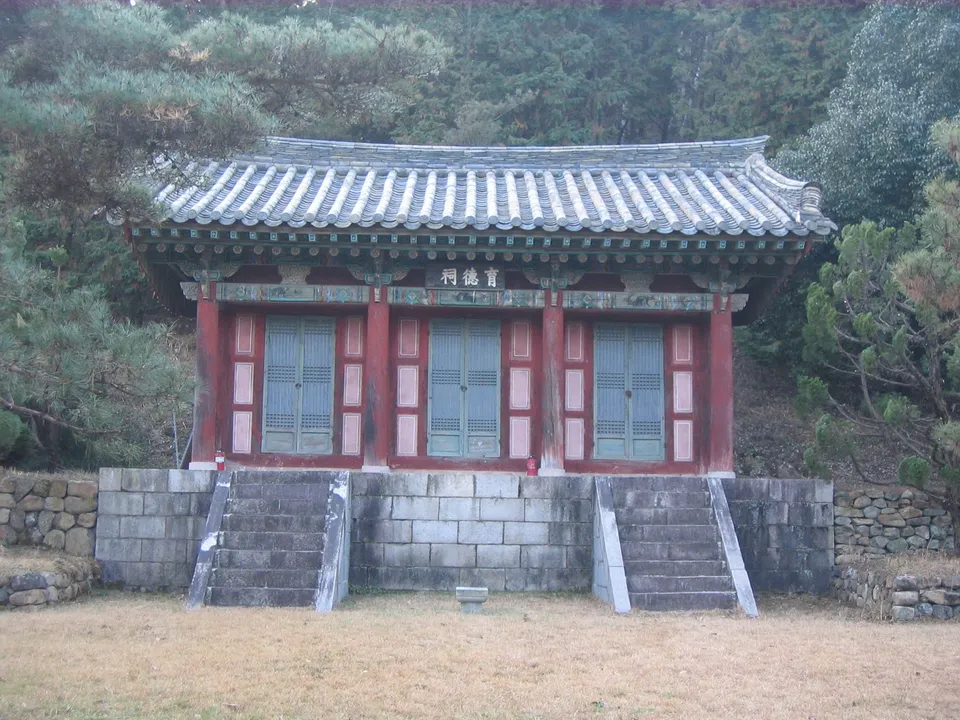
Visviva · Public domain · Source
Under Seongjong, Kim Jong-jik and his disciples entered the censorate and attacked the meritorious old guard. When the Annals of Seongjong were being compiled after Yeonsangun’s accession, Yi Geuk-don objected to the "Lament for the Righteous Emperor" in the draft records of the historian Gim Il-son. It mourned an emperor of Chu killed by Xiang Yu; Yu Ja-gwang and others said it condemned Sejo for killing Danjong. Kim Jong-jik’s corpse was exhumed and beheaded, Gim Il-son and others were executed, and Kim Goeng-pil and Jeong Yeo-chang were exiled. Because it began with historical drafts, it is also written as the "history purge".