End-Permian mass extinction
Also called: Great Dying, Permian–Triassic extinction
About 252 million years ago immense volcanic eruptions in Siberia wiped out more than 80–90% of marine species and many land vertebrates — the largest mass extinction in Earth’s history.
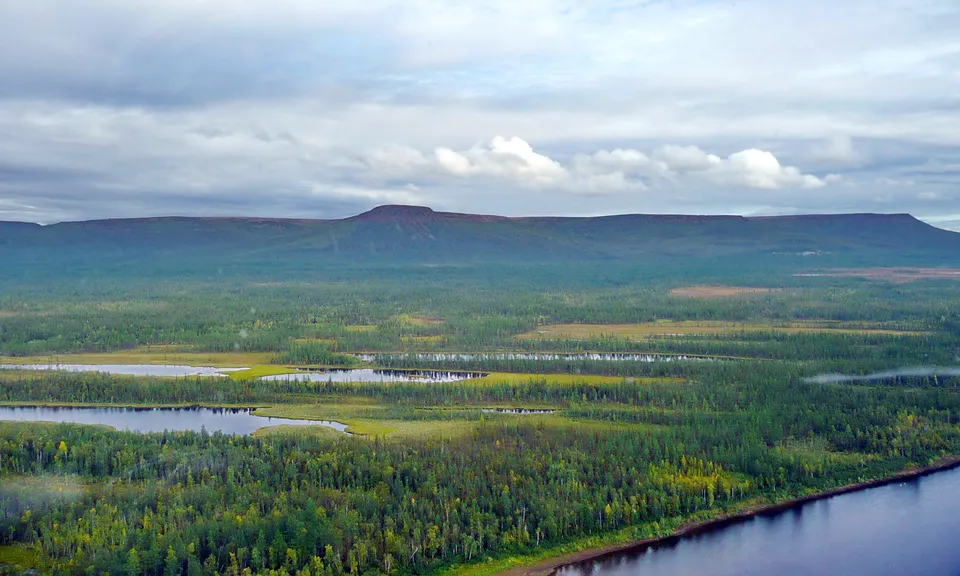
About 251.9 million years ago, in what is now northern Siberia, lava poured out for hundreds of thousands of years and covered millions of square kilometres — the Siberian Traps. Breaking through beds of coal and salt, the magma released enormous amounts of carbon dioxide and methane; the planet heated up, and the oceans turned acidic and short of oxygen.
The extinction is thought to have wiped out more than 80–90% of marine species and a large share of land vertebrates (estimates vary). The trilobites, emblem of Palaeozoic seas, vanished for good. The largest of the five mass extinctions, it left ecosystems taking millions of years to recover, and among the survivors were the ancestors of the dinosaurs and of mammals.