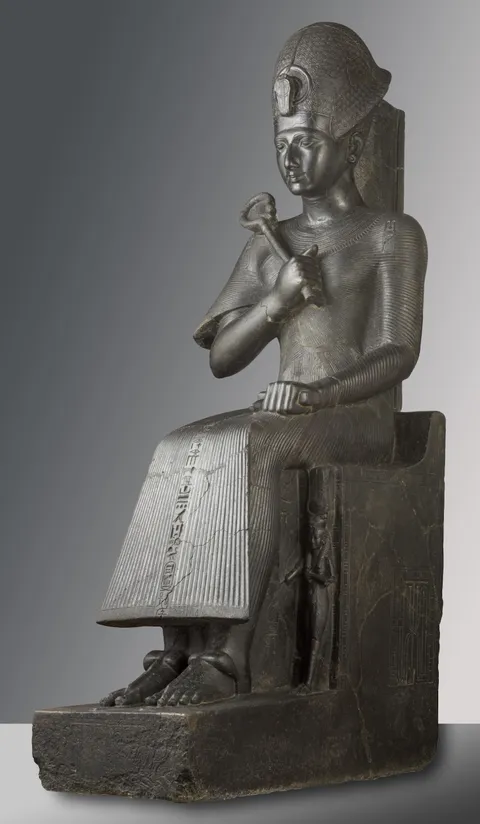
Building of Pi-Ramesses
Also called: Per-Ramesses, Rameses
Ramesses II built a new capital, Pi-Ramesses, in the eastern Nile Delta. Many scholars identify it with the “Rameses” the Bible says the Israelites built.
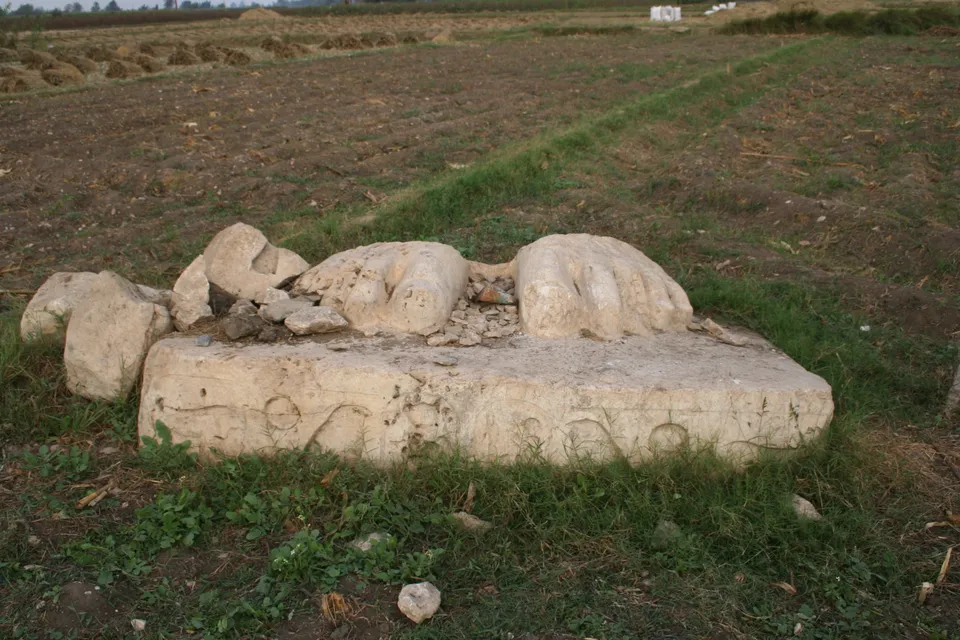
Iri-en-achti · Public domain · Source
Coming to the throne around 1279 BCE, Ramesses II built a great new capital, Pi-Ramesses (“House of Ramesses”), in his family’s homeland in the eastern Delta, beside Avaris, the old Hyksos capital. Standing on the road to Canaan and Syria, it served as the base for his campaigns against the Hittites, with temples, palaces, chariot workshops and stables.
The Book of Exodus says the Israelites, enslaved in Egypt, built “Pithom and Rameses”. Many scholars take this Rameses to be Pi-Ramesses and so place the setting of the Exodus story in the reign of Ramesses II.
When the branch of the Nile beside it silted up the city was abandoned, and later kings carried its statues and stone north to Tanis. In the 20th century Austrian and German excavations traced the city at Qantir and Tell el-Dab’a.