Politics1742

Tangpyeong stele

Yeongjo inscribed his policy of appointing officials impartially, regardless of faction, on a stele at the royal academy.
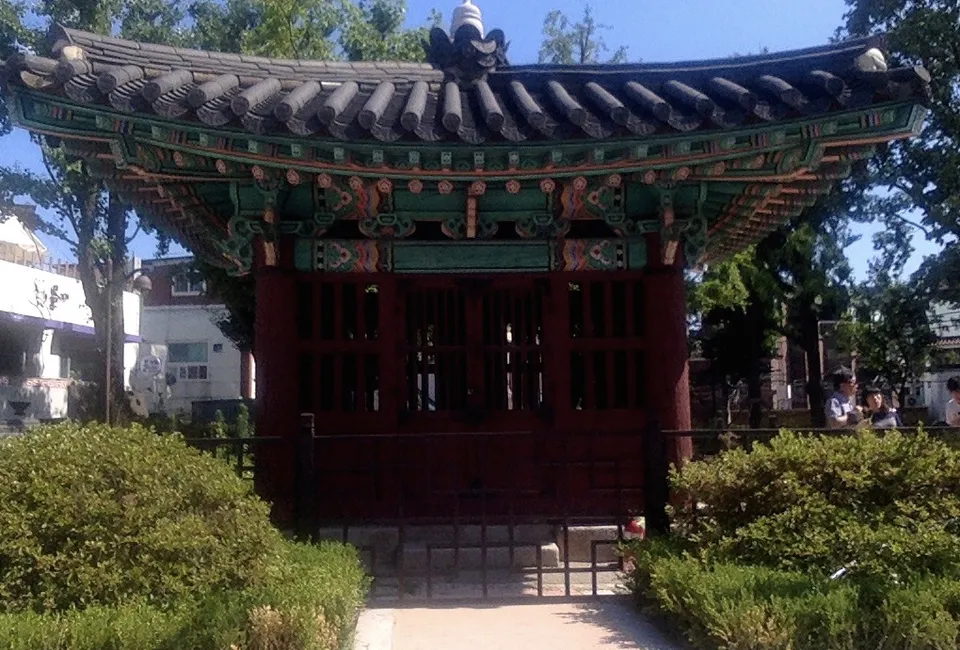
The Tangpyeong stele in front of Sungkyunkwan, 1742

Motoko C. K. · CC0 · Source

Factional strife had peaked with Sukjong’s sudden changes of government and the purges under Gyeongjong, and Yi In-jwa rebelled soon after Yeongjo’s accession (1728). Yeongjo issued an edict on impartiality, built up officials loyal to it, closed many private academies that served as faction bases, and abolished the right of Ministry of Personnel officers to name their successors.

The stele reads: “To associate widely without forming cliques is the impartial mind of the gentleman; to form cliques without associating widely is the selfish mind of the petty man.” Royal authority held the factions down without removing the causes of their strife, and the policy passed to Jeongjo.
The map in 1742

OpenFreeMap © OpenMapTiles © OpenStreetMap contributors

States and rulers at the time
Joseon — Yeongjo
Places
Seonggyungwan

People

  • Yeongjo1694 – 1776

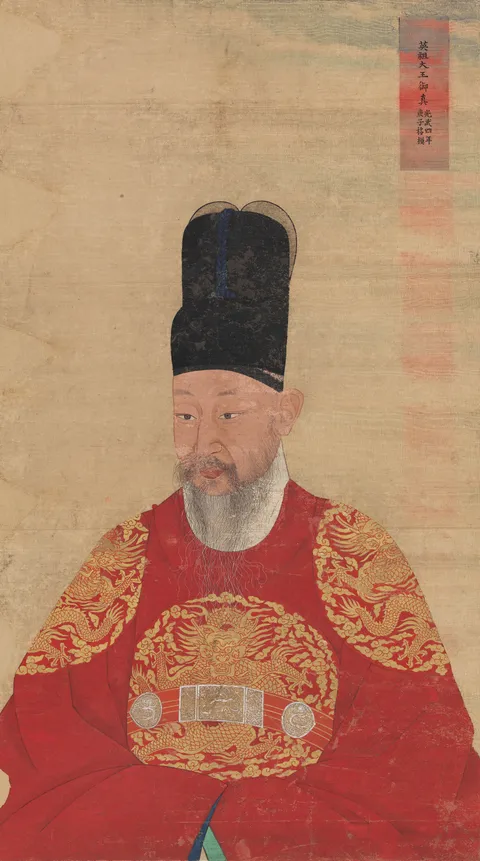
    leader · Twenty-first king of Joseon, known for his impartiality policy and tax reform, and for the death of his son

Before and after

Themes that include this event

  • Factional Politics in Joseon1498 – 1863

    From the literati purges to in-law government — how Sarim factions moved from coexistence and checks to purges and one-faction rule, then through Tangpyeong to the dominance of a few clans

  • Reformation and Absolutism1517 – 1796

    From Luther’s Ninety-five Theses to Catherine the Great — the wars of religion of a divided Christendom ended at Westphalia, and absolute monarchs armed with divine right, standing armies, bureaucracies and mercantilism, followed by the enlightened despots of eastern Europe, contended for the balance of power among sovereign states