Politics1911

Case of the 105

Japan fabricated a plot to assassinate Governor-General Terauchi and arrested some 600 people, many from the Sinminhoe. 105 were convicted at first instance, giving the case its name.
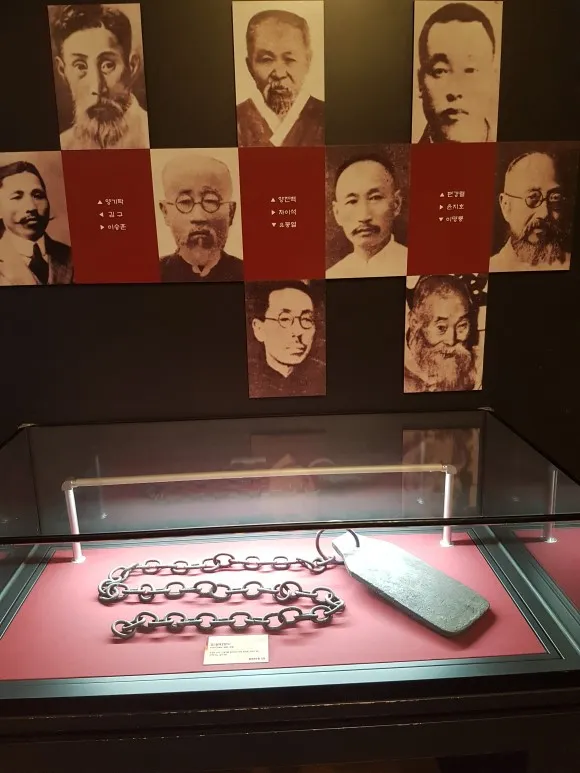
Prison photos of Yang Gi-tak, Kim Gu, Yun Chi-ho and others arrested in the 105 Persons Incident — Seodaemun Prison History Hall

Darkholi · CC BY-SA 4.0 · Source

In 1911, using the Anak incident (An Myeong-geun’s fund-raising) as a pretext, the police rounded up Christians and Sinminhoe members in Hwanghae and Pyeongan and extracted confessions under torture. In 1912, 105 were convicted, but on appeal most were acquitted and only six, including Yun Chi-ho and Yang Gi-tak, were imprisoned.

The case destroyed the secret Sinminhoe. Its members had already begun building bases abroad: the Yi Hoe-yeong brothers and Yi Sang-ryong had founded the Gyeonghaksa and the Sinheung school at Samwonbo in western Jiandao.

The map in 1911

OpenFreeMap © OpenMapTiles © OpenStreetMap contributors

States and rulers at the time
Korea under Japanese rule — Governor-General Terauchi Masatake
Japan · ruling power — Emperor Meiji

People

  • Terauchi Masatake1852 – 1919

    related figure · Last Resident-General and first Governor-General of Korea, who ruled through the military police

  • Yang Gi-tak1871 – 1938

    related figure · Co-publisher of the Daehan maeil sinbo who led the National Debt Repayment Movement and the New People’s Association

  • Ahn Chang-ho1878 – 1938

    related figure · Founder of the Sinminhoe and the Heungsadan; as Interior Minister of the Provisional Government he set up the yeontongje network

  • Yi Seung-hun1864 – 1930

    related figure · Sinminhoe member who founded the Osan School in Jeongju, was jailed in the Case of the 105 and was a Christian representative in the March First Movement

Before and after