US Declaration of Independence
Delegates of the thirteen colonies, meeting in Philadelphia, declared independence from Great Britain.
Saddled with debt from the Seven Years’ War (1756–1763), Britain imposed new taxes such as the Stamp Act (1765) on its thirteen North American colonies. The colonists protested "no taxation without representation", arguing that a Parliament in which they had no members could not tax them. After the Boston Tea Party of 1773 Britain cracked down, closing the port of Boston, and the colonies convened the Continental Congress.
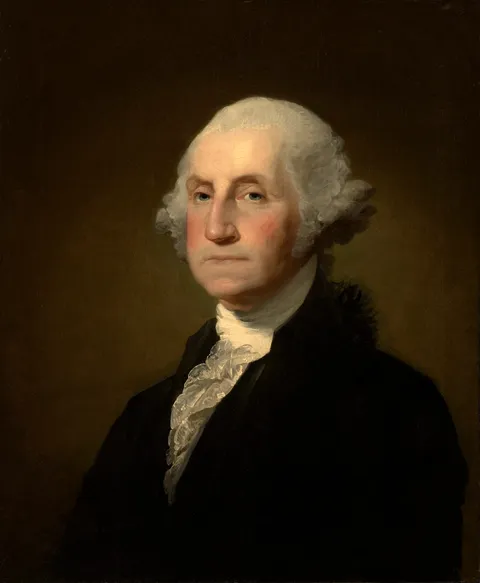
Fighting began at Lexington and Concord in 1775, and George Washington became commander of the Continental Army. The next year Thomas Paine’s Common Sense rallied opinion for independence, and on 4 July 1776 the Congress adopted the Declaration of Independence, drafted mainly by Thomas Jefferson. It proclaimed that all men are created equal, with rights to life, liberty and the pursuit of happiness, and that the people may alter a government that destroys those rights, drawing on Locke’s ideas of natural rights and the social contract.
With help from France and others, the colonial forces won at Yorktown (1781), and in the Treaty of Paris of 1783 Britain recognised American independence. The federal Constitution of 1787 established the separation of powers and federalism, and Washington became the first president.
The American Revolution created the first modern democratic republic and influenced the French Revolution and the independence movements of Latin America. Yet enslaved Black people, Native Americans and women were long excluded from the equality it proclaimed.