Conflict19 December 1777 – 19 June 1778

Winter at Valley Forge

Having lost Philadelphia to the British, the Continental Army endured hunger and disease at Valley Forge through the winter and emerged, drilled by the Prussian veteran Steuben, as a tougher army.
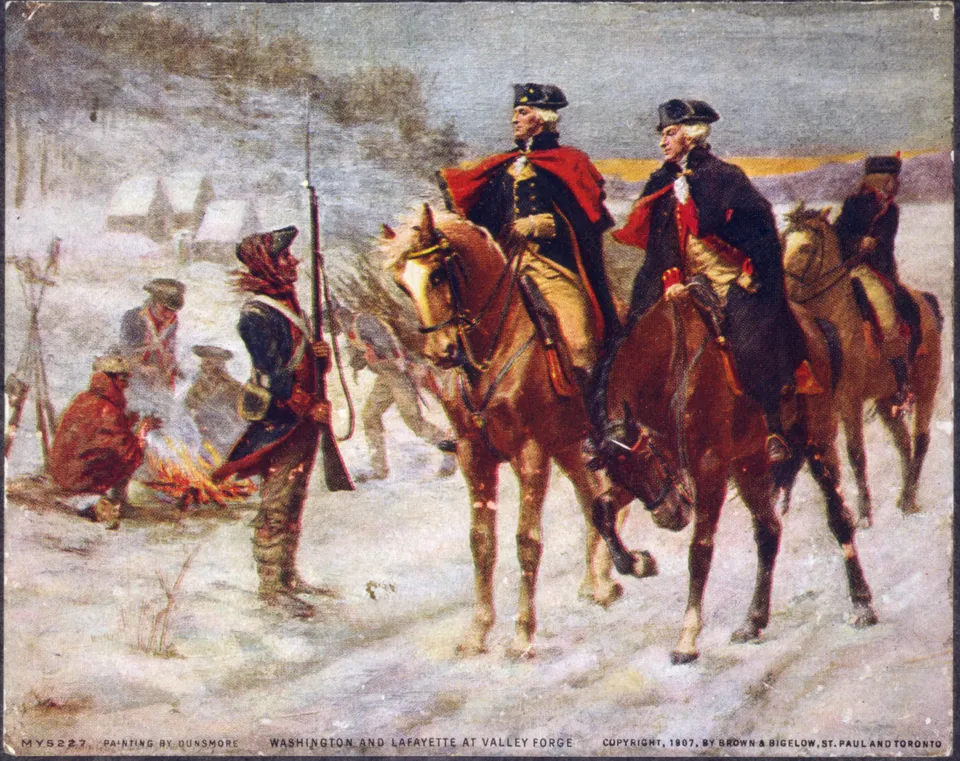
Washington and Lafayette in the snow at Valley Forge — painting by John Ward Dunsmore (1907)

John Ward Dunsmore · Public domain · Source

Beaten at Brandywine in September 1777, the Continental Army gave up the capital, Philadelphia, to the British. On 19 December some 12,000 men marched into Valley Forge northwest of the city, built log huts and settled in for the winter. Clothing, shoes and food ran short, and nearly 2,000 died of diseases such as dysentery and typhus.

In February 1778 the former Prussian officer Steuben arrived and taught the troops a single drill for marching and the bayonet, and Lafayette stood at Washington’s side. When the British left Philadelphia for New York in June, the army that marched out of Valley Forge was changed enough to stand up to the regulars at Monmouth.
The map in 1777

OpenFreeMap © OpenMapTiles © OpenStreetMap contributors

States at the time
United States
Places
Valley Forge, Philadelphia

People

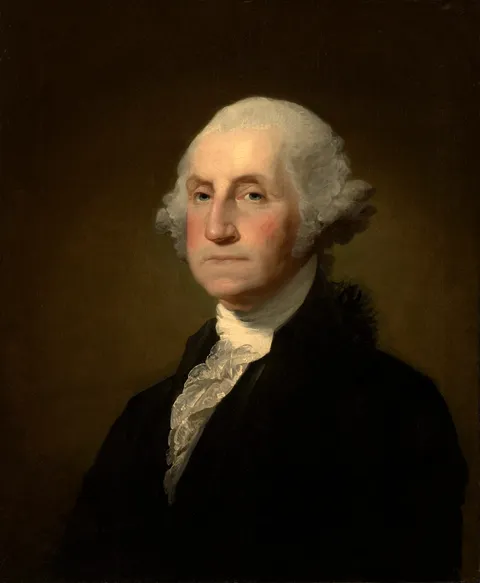
  • George Washington1732 – 1799

    commander · Commander of the Continental Army and first US president

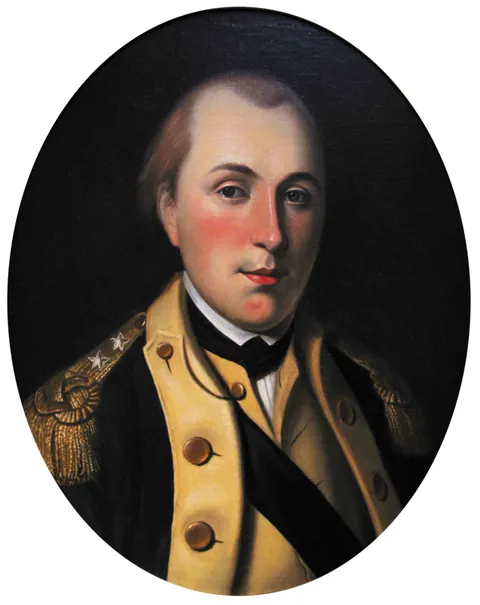
  • Marquis de Lafayette1757 – 1834

    participant · Nobleman and veteran of the American War of Independence who commanded the Paris National Guard and drafted the Declaration of the Rights of Man, and fled abroad in 1792, only to be held captive by the Austrians

Before and after

Themes that include this event

  • The American Revolution1765 – 1789

    From the Stamp Act to Washington’s inauguration — thirteen colonies that cried “No taxation without representation” fought Britain for eight years, won their independence and framed a new republic under the Constitution