United States · History1765 – 178915 events

The American Revolution

From the Stamp Act to Washington’s inauguration — thirteen colonies that cried “No taxation without representation” fought Britain for eight years, won their independence and framed a new republic under the Constitution
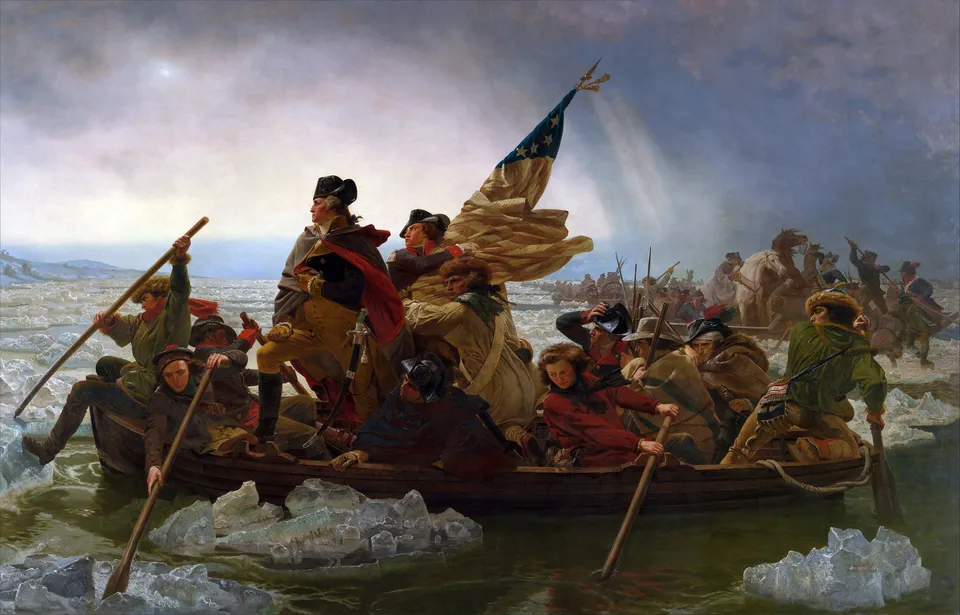
에마누엘 로이체, 「델라웨어강을 건너는 워싱턴」(1851, 메트로폴리탄 미술관)

Emanuel Leutze · Public domain · Source
The theme on the map

OpenFreeMap © OpenMapTiles © OpenStreetMap contributors

15 events in this theme

  1. 1765 – 1766Stamp Act

    To pay the debts of the Seven Years’ War, Parliament required stamps on colonial newspapers, legal papers and even playing cards; the colonists resisted with the cry “No taxation without representation.”

  2. British soldiers quartered in Boston fired into a crowd pelting them with snowballs and insults, killing five people.

  3. When Britain gave the East India Company a monopoly on selling tea in the colonies, Boston colonists disguised as Native Americans dumped the tea from ships in the harbour into the sea.

  4. The war between the Thirteen Colonies and Britain that began with the clashes at Lexington and Concord. Aided by France and Spain, the colonists won at Yorktown, and the Treaty of Paris of 1783 recognised American independence.

  5. British regulars sent to seize militia arms at Concord exchanged fire with colonial militia at Lexington and Concord — the first fighting of the American Revolutionary War.

  6. British troops stormed the militia’s earthworks on the heights above Boston three times and took the hill, but lost more than a thousand killed and wounded.

  7. The English-born Thomas Paine published a short pamphlet calling for independence in plain words; selling tens of thousands of copies that year, it turned opinion toward independence.

  8. Driven from New York, Washington crossed the ice-choked Delaware on Christmas night and next morning surprised and defeated the Hessian garrison at Trenton.

  9. Delegates of the thirteen colonies, meeting in Philadelphia, declared independence from Great Britain.

  10. Burgoyne’s British army, marching south from Canada along the Hudson, lost two battles at Saratoga and surrendered; the victory brought France into alliance with the United States.

  11. Having lost Philadelphia to the British, the Continental Army endured hunger and disease at Valley Forge through the winter and emerged, drilled by the Prussian veteran Steuben, as a tougher army.

  12. While a French fleet sealed Chesapeake Bay, the American and French armies besieged Cornwallis at Yorktown; the surrender of some 8,000 British troops decided the war.

  13. Britain recognised American independence and ceded the lands east of the Mississippi and south of the Great Lakes.

  14. The Constitutional Convention at Philadelphia drafted the US Constitution, creating a federal government with separated powers — the oldest written national constitution still in use.

  15. Chosen unanimously by the Electoral College, George Washington took the oath as the first president of the United States on the balcony of Federal Hall in New York, the temporary capital.

Key people

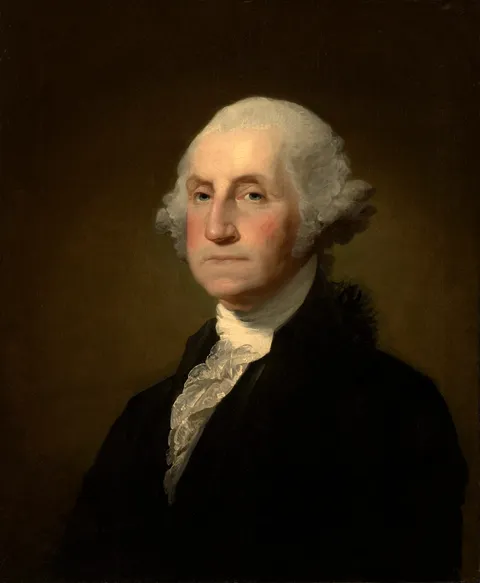
  • George Washington1732 – 1799

    Commander of the Continental Army and first US president

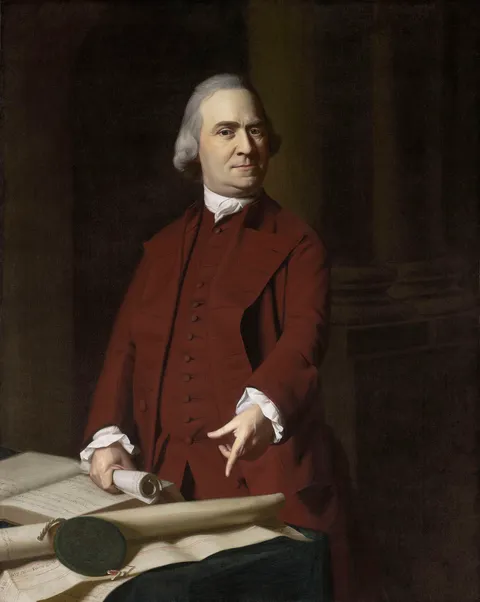
  • Samuel Adams1722 – 1803

    Boston politician and leader of the Sons of Liberty against British taxation; a leader of the American Revolution

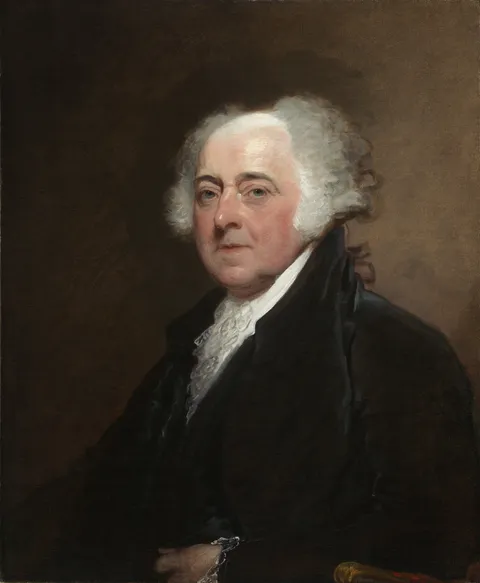
  • John Adams1735 – 1826

    Massachusetts lawyer and statesman who championed independence in Congress, negotiated the Treaty of Paris and became the second US president (1797–1801)

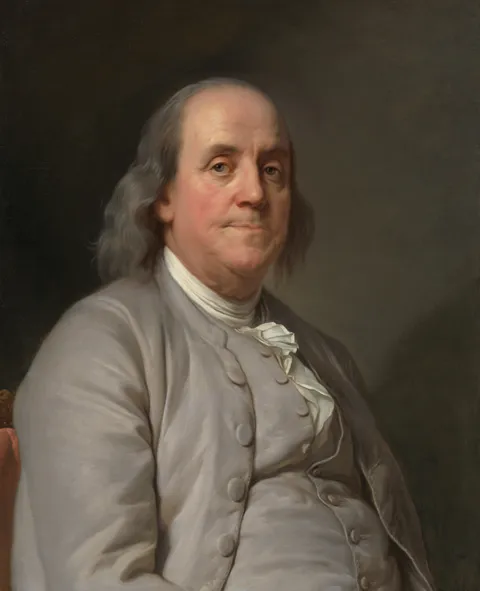
  • Benjamin Franklin1706 – 1790

    Philadelphia printer, scientist and diplomat who signed the Declaration and the Constitution and won the French alliance in Paris

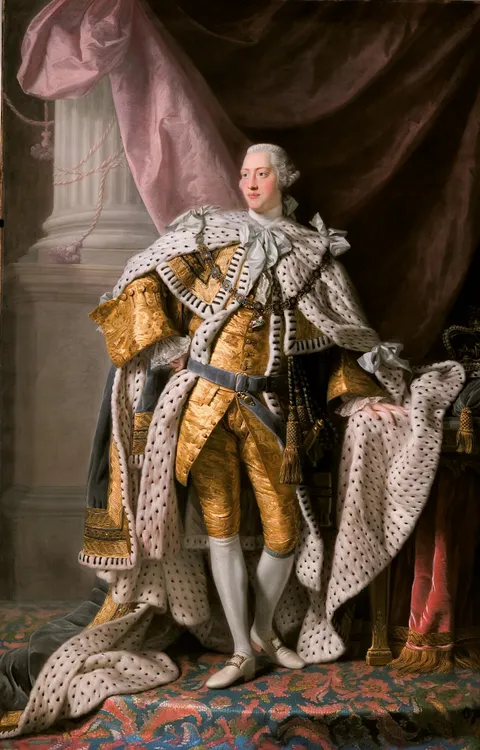
  • George III1738 – 1820

    King of Great Britain (r. 1760–1820), in whose reign the thirteen American colonies won independence

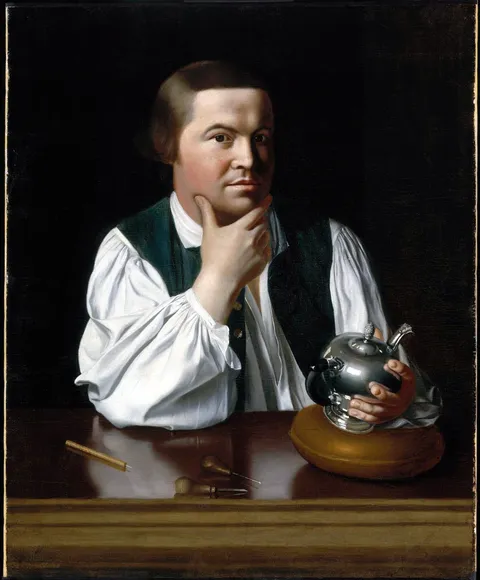
  • Paul Revere1735 – 1818

    Boston silversmith who rode through the night of 18 April 1775 to warn that the British regulars were coming

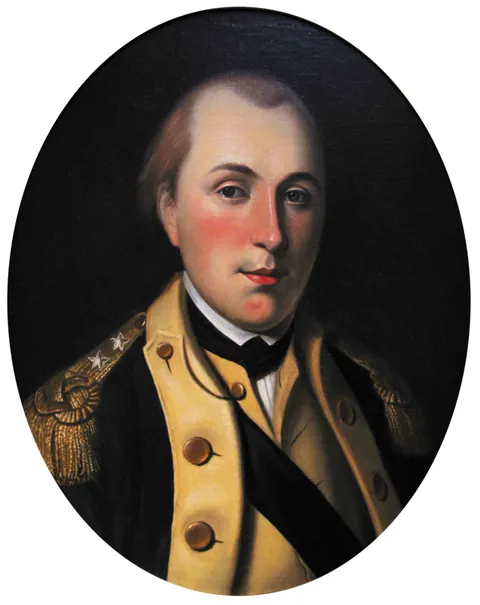
  • Marquis de Lafayette1757 – 1834

    Nobleman and veteran of the American War of Independence who commanded the Paris National Guard and drafted the Declaration of the Rights of Man, and fled abroad in 1792, only to be held captive by the Austrians

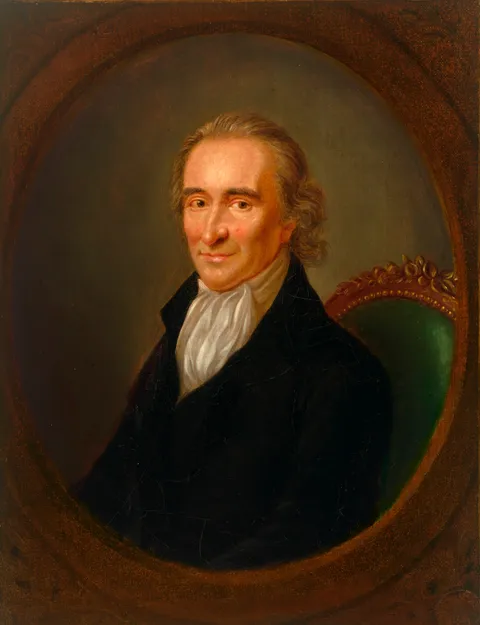
  • Thomas Paine1737 – 1809

    English-born pamphleteer whose Common Sense (1776) rallied Americans to independence; later defended the French Revolution in Rights of Man

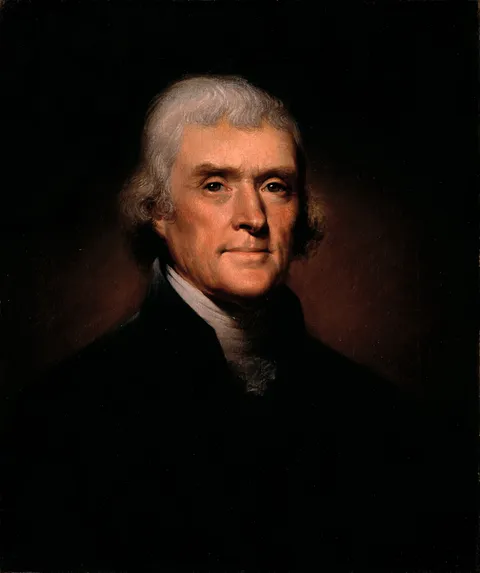
  • Thomas Jefferson1743 – 1826

    Virginia statesman who drafted the Declaration of Independence and became the third US president (1801–1809)

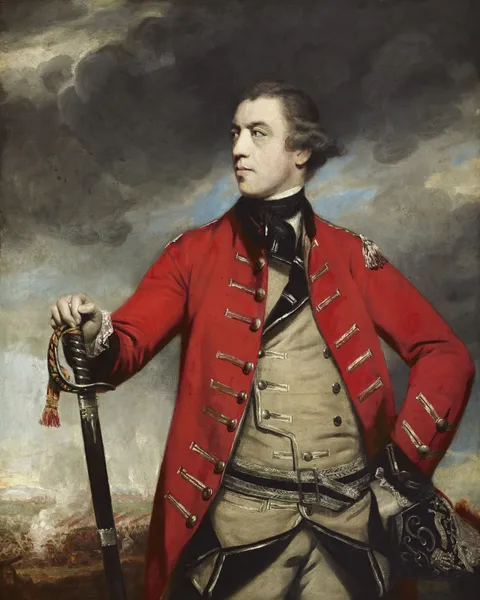
  • John Burgoyne1722 – 1792

    British general and playwright who marched south from Canada in 1777 and surrendered at Saratoga

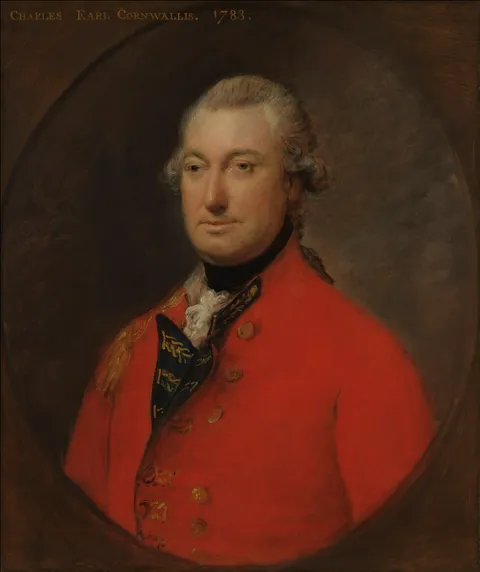
  • Charles Cornwallis1738 – 1805

    British general who surrendered at Yorktown in 1781, later governor-general of India and lord lieutenant of Ireland