Wang Anshi’s New Policies
Also called: New Policies, Green sprouts law, Xinfa
Emperor Shenzong of Song appointed Wang Anshi in 1069 to rebuild state finances and the army with the New Policies — the green sprouts, hired service, state trade, equitable transport, baojia and horse-breeding laws. Opposition from Sima Guang and the Old Policies party led to lasting factional strife.
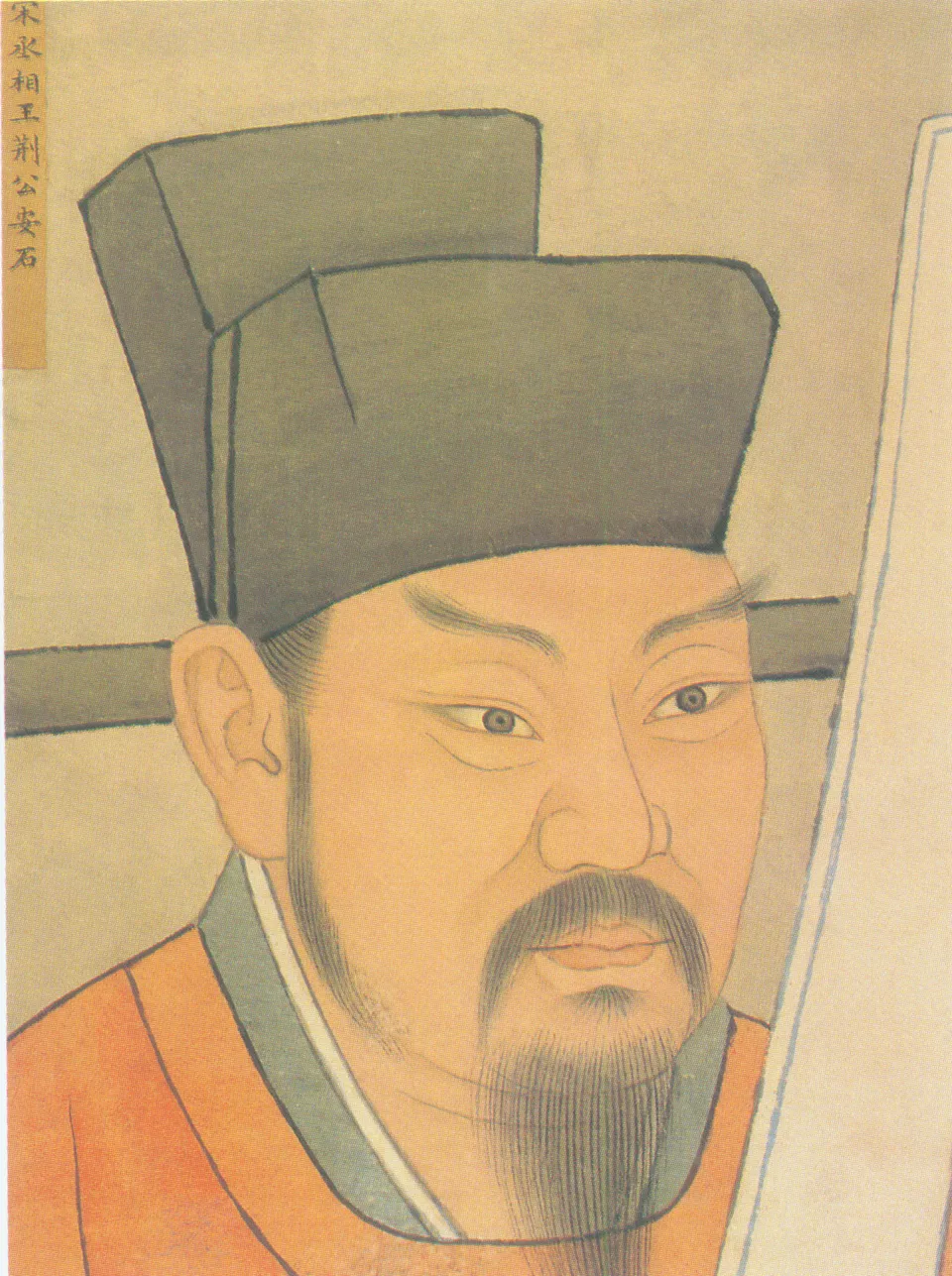
Unknown author · Public domain · Source
Swollen officialdom and armies and the payments to Liao and Western Xia had left the Song chronically poor and weak, while great landlords and merchants preyed on farmers and small traders. The young emperor Shenzong made Wang Anshi assistant chief minister in 1069 and entrusted him with reform.
The New Policies aimed at both wealth and strength. The green sprouts law lent grain and money to farmers at low interest in the lean spring months; the state trade law lent to small merchants; the equitable transport law had the state buy and sell goods to steady prices; and the hired service law let households pay cash instead of labour service. The baojia law grouped households to train militia, and the horse law had farms raise cavalry mounts. Because the reforms cut into the interests of landlords, big merchants and officials, the Old Policies party led by Sima Guang opposed them fiercely.
Wang resigned in 1076, and after Shenzong died in 1085 Sima Guang repealed most of the reforms. Thereafter the New and Old Policies factions alternated in power, and their feuding weakened the Northern Song. To contain Liao, Shenzong also revived relations with Goryeo, and in 1071 King Munjong sent envoys to the Song, reopening ties.