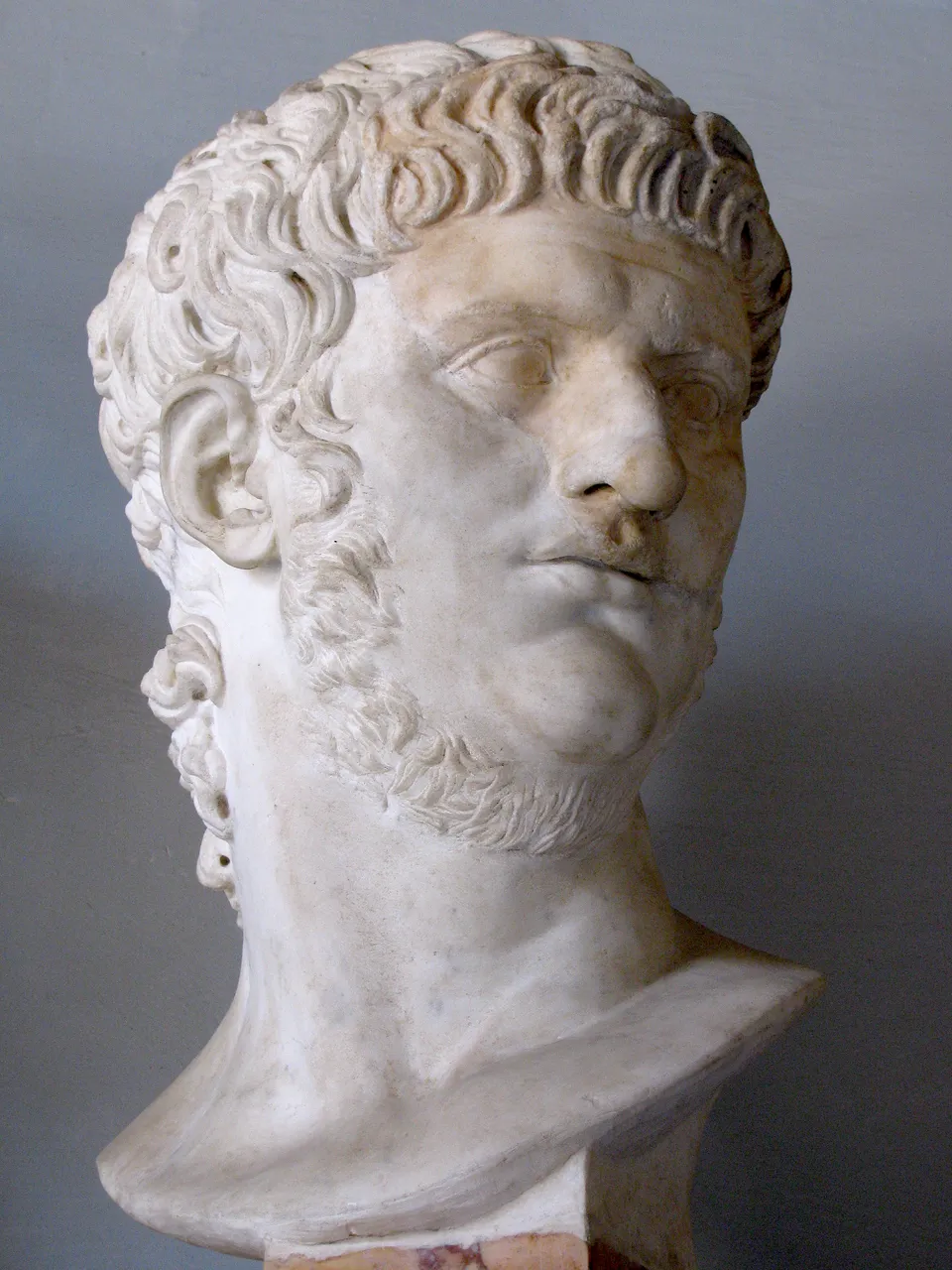
Marble bust of Nero, restored in the 17th century, Capitoline Museums, Rome

cjh1452000 · CC BY-SA 3.0 · Source

PersonAD 37 – AD 68

Nero

Also called: Nero Claudius Caesar

Roman emperor (r. 54–68) who executed Christians after the Great Fire of Rome in 64; when revolts broke out he took his own life, ending the Julio-Claudian dynasty

A great-great-grandson of Augustus, he became the adopted son of the emperor Claudius when his mother Agrippina married him, and took the throne at sixteen in 54. His first years, guided by the philosopher Seneca, were fairly steady, but in 59 he had his mother killed and later his wife Octavia too. A lover of poetry, song and chariot racing, he performed on stage himself, and after the Great Fire of 64 he built the Golden House. He blamed the fire on the Christians and had them put to death, and in 66 the Jewish War broke out. In 68, when the governors of Gaul and Spain rebelled and the Senate declared him a public enemy, he took his own life, saying, it is said, “What an artist dies in me!”
Where they went

OpenFreeMap © OpenMapTiles © OpenStreetMap contributors

1 related event

  1. 1

    In July 64 a great fire burned most of Rome. When rumour said that Nero had started it, he blamed the Christians and had them cruelly put to death, the first recorded persecution of Christians by the Roman state.

People who appear alongside

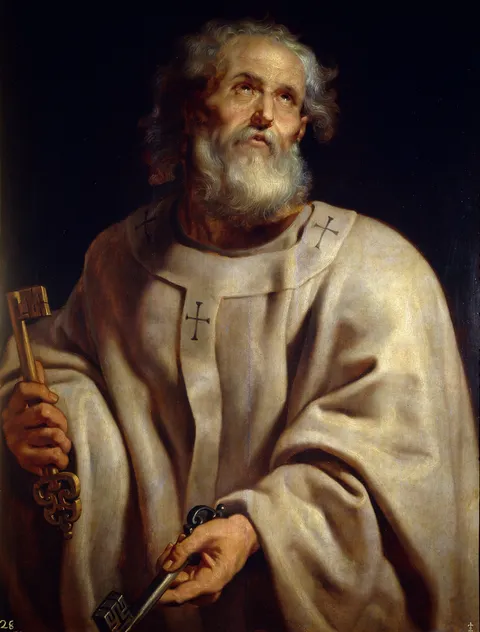
  • Peter the Apostle

    Foremost of Jesus’ twelve disciples, a fisherman from the Sea of Galilee who led the church in Jerusalem and, by tradition, was martyred in Rome; Catholics honour him as the first pope

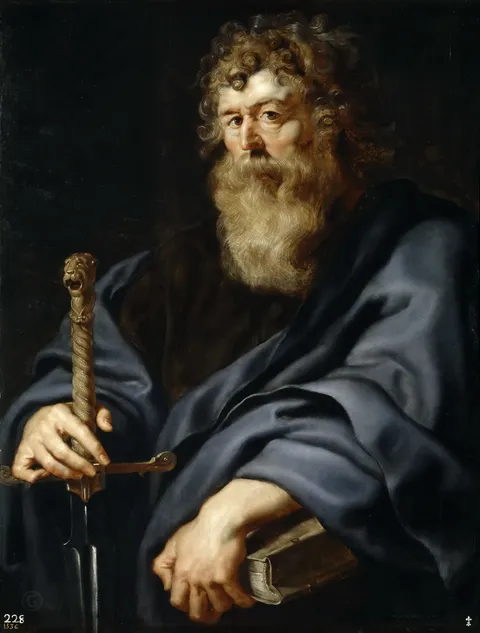
  • Paul the Apostle

    Apostle who carried the Christian gospel to non-Jews across the Mediterranean; his letters form part of the New Testament

Themes this person appears in

  • Greece and Rome2000 BC – AD 476

    From the Aegean civilisation to the fall of the Western Roman Empire — the classical civilisation built by the democracy of the polis and the Roman republic and empire