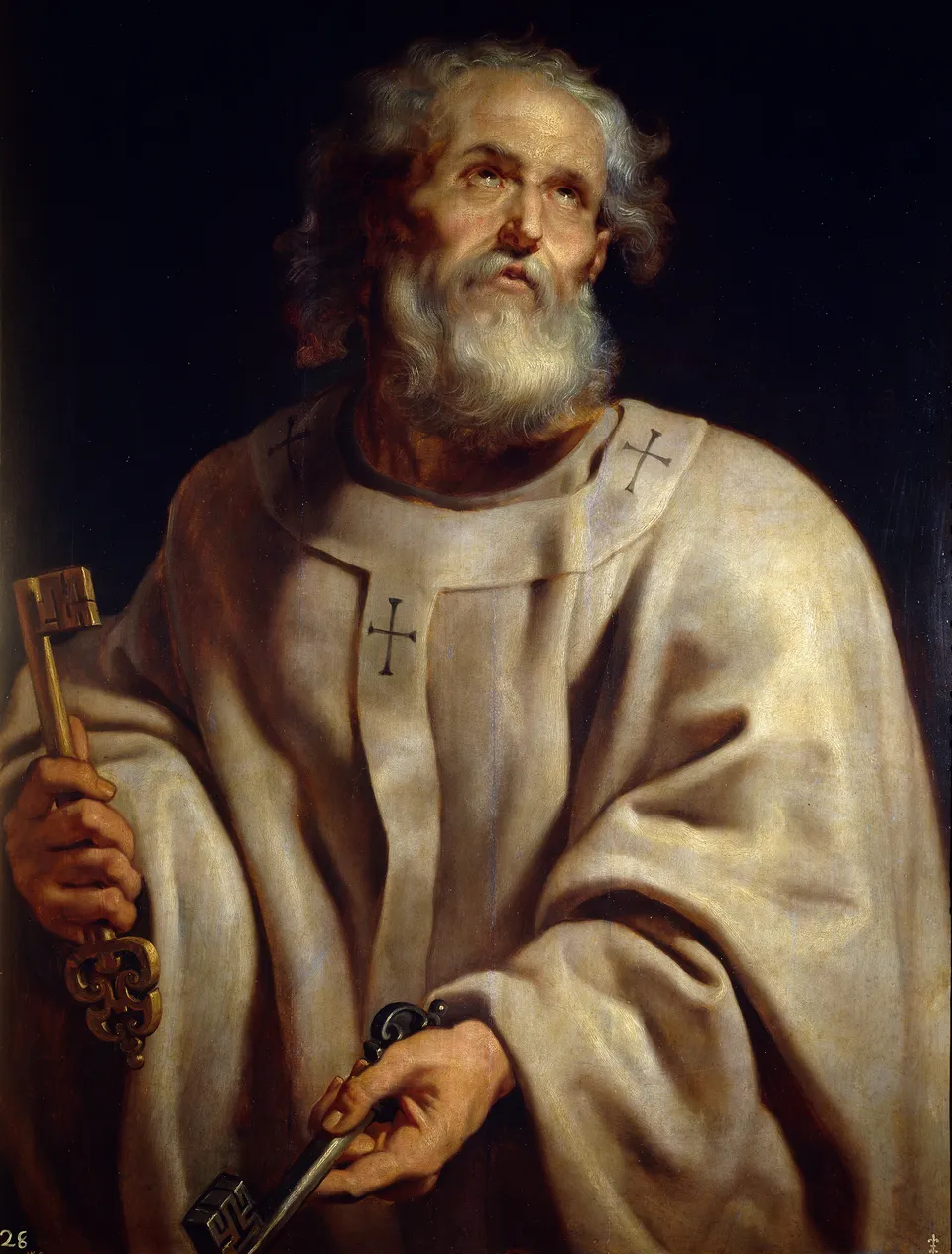
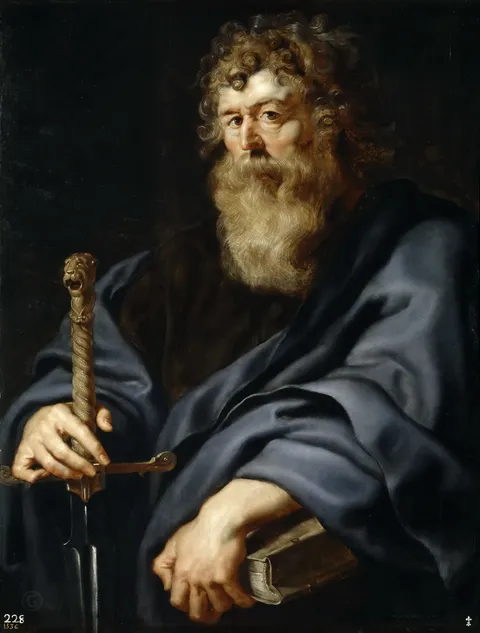
Saint Peter in papal robes, painted by Rubens (c. 1611), Museo del Prado, Madrid

Peter Paul Rubens · Public domain · Source

Person

Peter the Apostle

Also called: Saint Peter, Simon Peter, Cephas

Foremost of Jesus’ twelve disciples, a fisherman from the Sea of Galilee who led the church in Jerusalem and, by tradition, was martyred in Rome; Catholics honour him as the first pope

Originally named Simon, he was fishing on the Sea of Galilee when he and his brother Andrew became Jesus’ first disciples. Jesus is said to have given him the name Cephas, “rock” (Peter in Greek). In the Gospels he speaks for the disciples, and on the night of Jesus’ arrest he denied him three times and wept bitterly. He is counted among the first to see the risen Jesus, and in the Acts of the Apostles he leads the church in Jerusalem. Tradition holds that he was martyred in Rome; Catholics honour him as the first bishop of Rome (pope), and St Peter’s Basilica in the Vatican stands over the place held to be his tomb.
Where they went

OpenFreeMap © OpenMapTiles © OpenStreetMap contributors

5 related events

  1. AD 28 – AD 30Ministry in Galilee and the Sermon on the MountScriptureparticipant

    A story told in the Gospels of the New Testament: by the Sea of Galilee Jesus called the fisherman Peter and others as disciples, went from village to village healing the sick and teaching in parables, and on a mountain gave the sermon that begins “Blessed are the poor in spirit”.

  2. AD 30The Last SupperScriptureparticipant

    A story told in the Gospels and in a letter of Paul in the New Testament: on the night before his arrest Jesus shared a last meal with the Twelve in Jerusalem, breaking bread as “my body” and raising the cup as “the new covenant in my blood”.

  3. 1
    AD 30Crucifixion of Jesusrelated figure

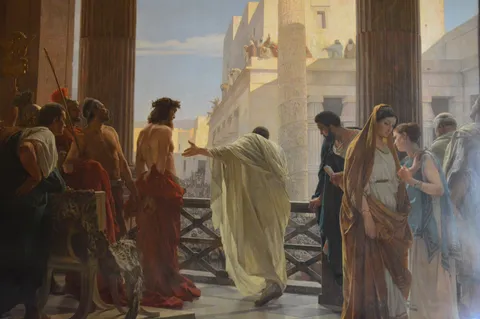
    At Passover around AD 30 Jesus was crucified in Jerusalem on the sentence of the Roman governor Pontius Pilate. The Roman historian Tacitus and the Jewish historian Josephus also recorded it.

  4. AD 30Resurrection of JesusScriptureparticipant

    A story told in the Gospels and in a letter of Paul in the New Testament: Jesus, who died on the cross and was buried, rose again on the third day and appeared to his disciples. It became the centre of Christian faith.

  5. 2

    In July 64 a great fire burned most of Rome. When rumour said that Nero had started it, he blamed the Christians and had them cruelly put to death, the first recorded persecution of Christians by the Roman state.

People who appear alongside

  • Jesus4 BC – AD 30

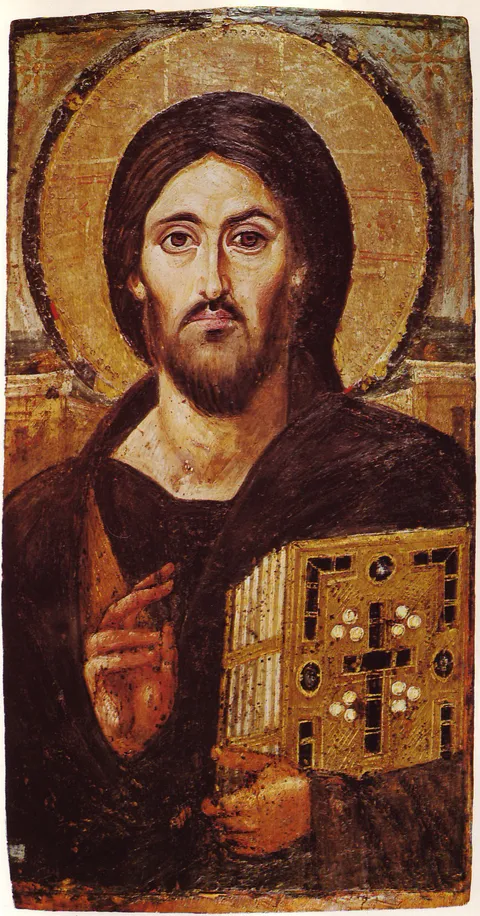
    The central figure of Christianity, who preached God’s love and salvation in Roman-ruled Palestine and was crucified in Jerusalem around AD 30

  • Paul the Apostle

    Apostle who carried the Christian gospel to non-Jews across the Mediterranean; his letters form part of the New Testament

  • Pontius Pilate

    Roman prefect of Judaea (in office 26–36) who sentenced Jesus to crucifixion; a stone bearing his name was found at Caesarea in 1961

  • NeroAD 37 – AD 68

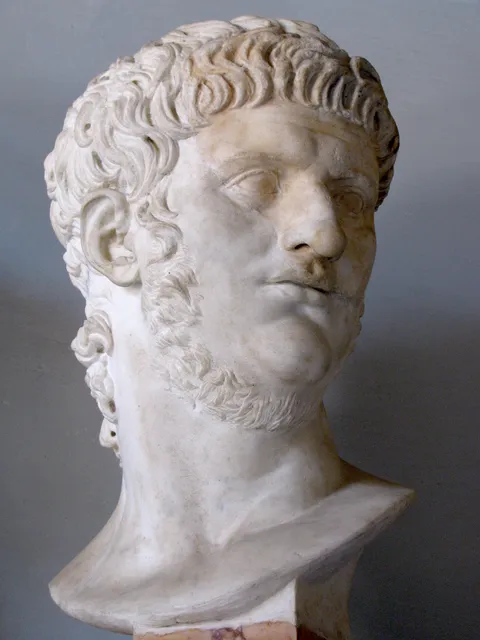
    Roman emperor (r. 54–68) who executed Christians after the Great Fire of Rome in 64; when revolts broke out he took his own life, ending the Julio-Claudian dynasty

Themes this person appears in

  • Greece and Rome2000 BC – AD 476

    From the Aegean civilisation to the fall of the Western Roman Empire — the classical civilisation built by the democracy of the polis and the Roman republic and empire