Local historyAD 685 – 19805 events
Gwangju
Mujinju, where Gyeon Hwon first rose — city of the 1929 student independence movement and the May 18 Democratic Uprising
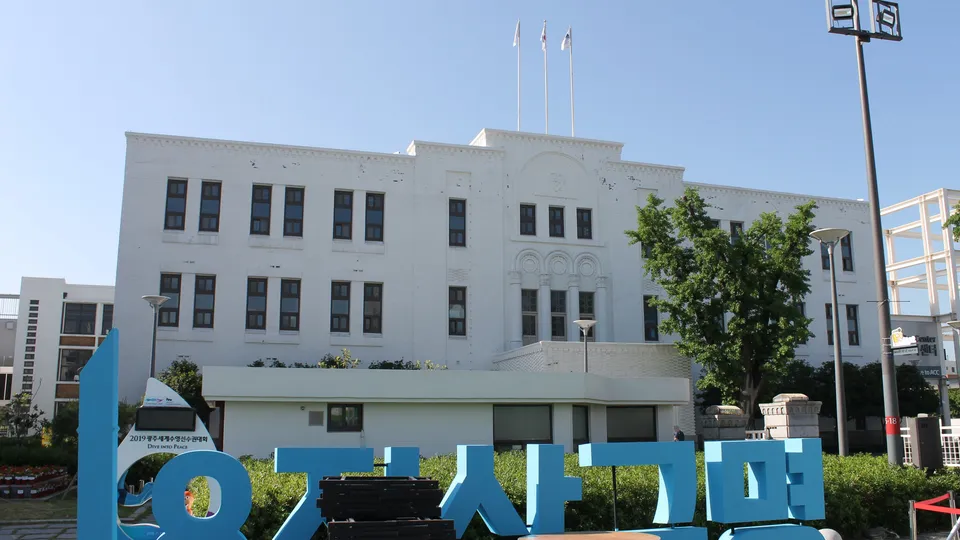
LERK · CC BY-SA 4.0 · Source
Mujinju, where Gyeon Hwon first rose — city of the 1929 student independence movement and the May 18 Democratic Uprising
LERK · CC BY-SA 4.0 · Source
| Era | Event | Details |
|---|---|---|
| Unified Silla, Sinmun | Muju (Mujinju), a province | Province on old Baekje land |
| Late Silla | Kim Heon-chang’s revolt | Mujinju among those that joined |
| Later Three Kingdoms | Gyeon Hwon takes Mujinju (892) | Springboard for Later Baekje |
| Japanese rule | Gwangju Student Movement | Student clash; Singanhoe inquiry |
| Contemporary | May 18 Democratic Uprising | Against new military; martial-law crackdown |
King Sinmun divided the realm into nine provinces (ju) and set up five secondary capitals (sogyeong), completing the provincial system of unified Silla.
Kim Heon-chang, governor of Ungcheon-ju, rebelled over his father Kim Ju-won’s lost claim to the throne and proclaimed a state named Jangan with the era name Gyeongun.
Gyeon Hwon, a Silla soldier who had seized Mujin-ju (Gwangju), made Wansan-ju (Jeonju) his capital in 900 and founded Later Baekje.
Protests that began in Gwangju after a clash between Korean and Japanese students spread nationwide, the largest national movement since March First.
From 18 to 27 May 1980, in Gwangju, martial-law troops used force against citizens demanding an end to martial law and to the new military group, and many citizens were killed.
Munmu's son and 31st king of Silla, who crushed Kim Heum-dol's revolt and strengthened royal power through the National Academy, the nine provinces and office-land grants
Son of Kim Ju-won who, citing his father's lost claim to the throne, rebelled at Ungcheon-ju and proclaimed a state called Jangan
Silla soldier from Gaeun in Sangju who founded Later Baekje at Wansan-ju in 900; deposed by his son Singeom, he defected to Goryeo
11th–12th President (1980–1988), leading figure of the new military group that seized control in the December 12 incident; tried in 1996 over 12 December and 18 May
15th President (1998–2003), the first transfer of power to the opposition by election. Steered recovery from the currency crisis and held the first inter-Korean summit; Nobel Peace Prize 2000