Boston Massacre
Also called: Incident on King Street
British soldiers quartered in Boston fired into a crowd pelting them with snowballs and insults, killing five people.
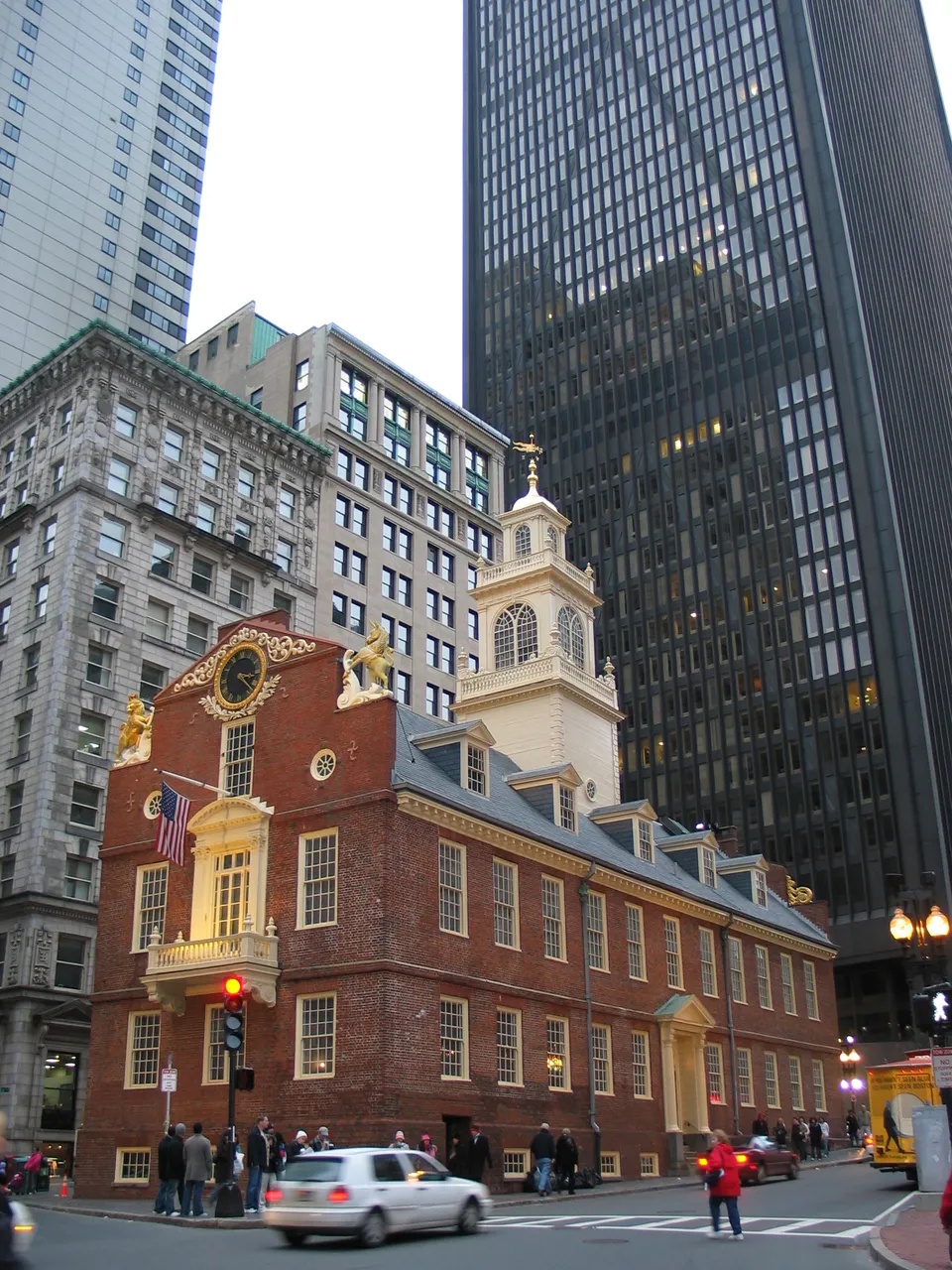
Daniel Schwen · CC BY-SA 2.5 · Source
When the Townshend Acts of 1767 imposed new duties, resistance in Boston grew, and in 1768 Britain stationed troops in the town. Clashes between soldiers and townspeople were frequent, and on the night of 5 March 1770, in front of the State House (today’s Old State House), a crowd surrounding a sentry threw snowballs and ice until the soldiers fired. Five people died, among them Crispus Attucks, a sailor of African and Native descent.
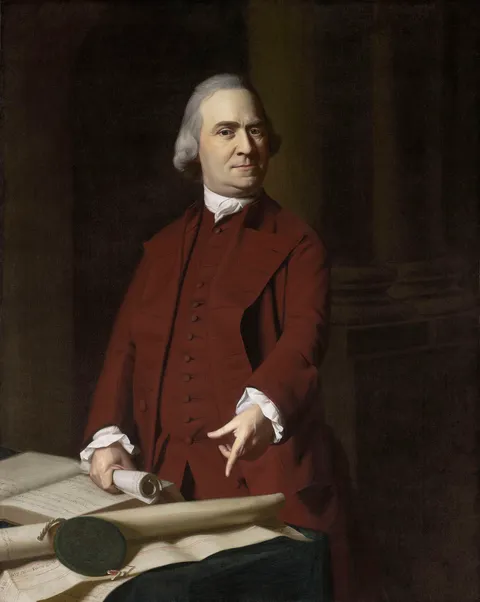
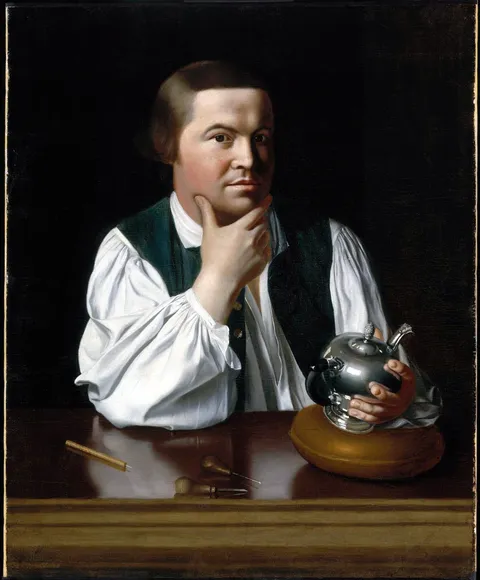
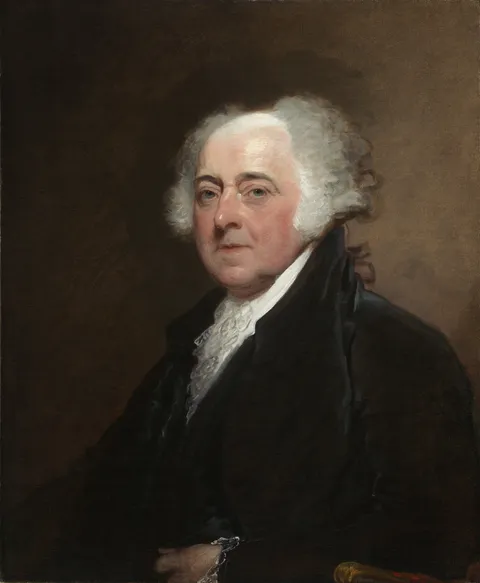
Samuel Adams and the silversmith Paul Revere called it a “massacre” and spread the story in prints and pamphlets. Yet the soldiers were defended at their trial by John Adams, later a leader of independence; six were acquitted and two convicted of manslaughter and lightly punished. That same year Britain repealed the Townshend duties except the one on tea, and a few quiet years followed.