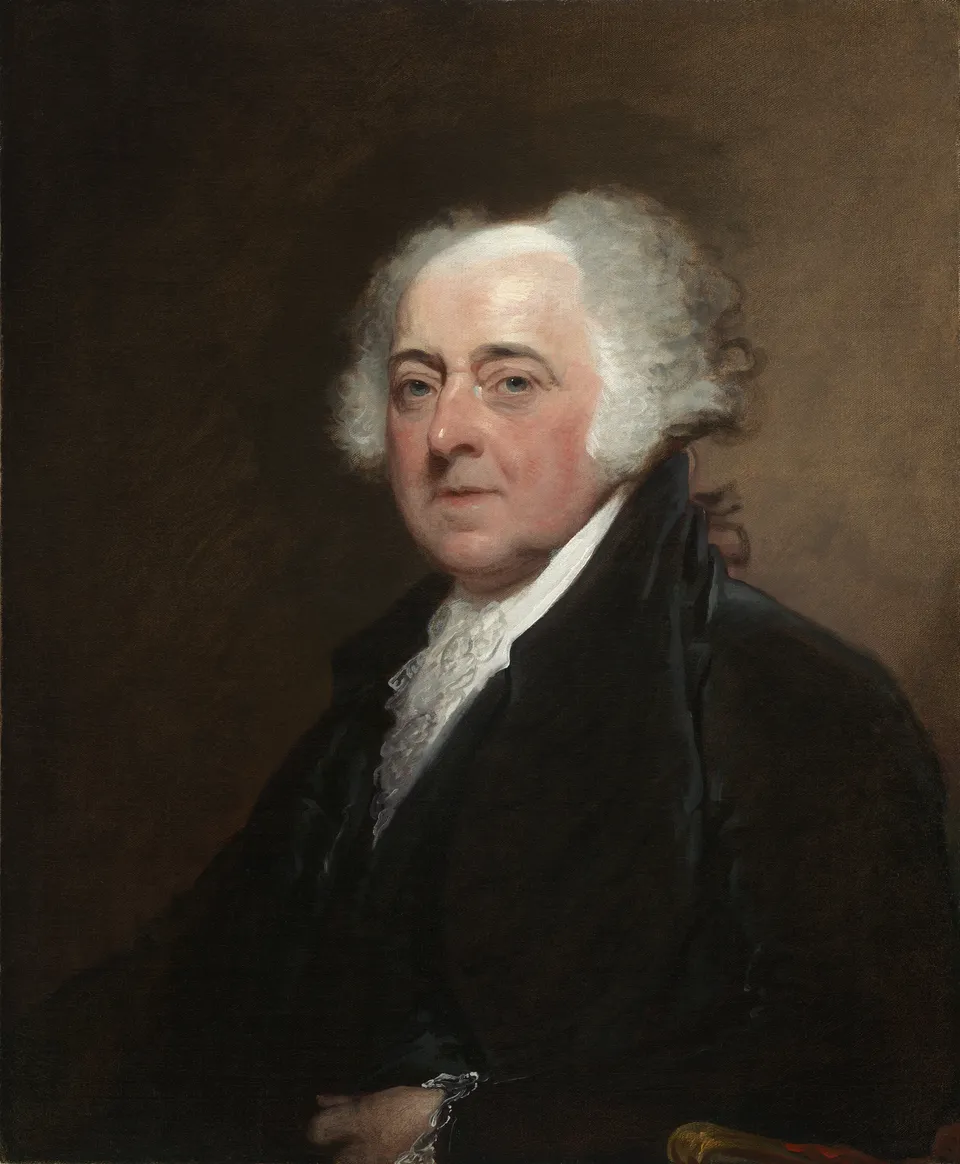
Where they went
4 related events
- 1
British soldiers quartered in Boston fired into a crowd pelting them with snowballs and insults, killing five people.
- 2
Delegates of the thirteen colonies, meeting in Philadelphia, declared independence from Great Britain.
- 3
Britain recognised American independence and ceded the lands east of the Mississippi and south of the Great Lakes.
- 4
Chosen unanimously by the Electoral College, George Washington took the oath as the first president of the United States on the balcony of Federal Hall in New York, the temporary capital.
People who appear alongside
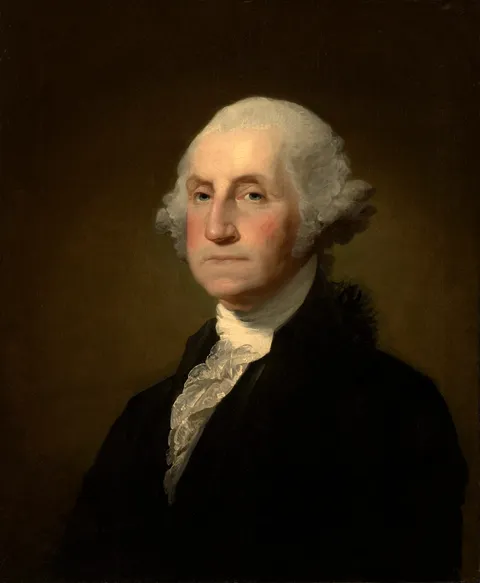
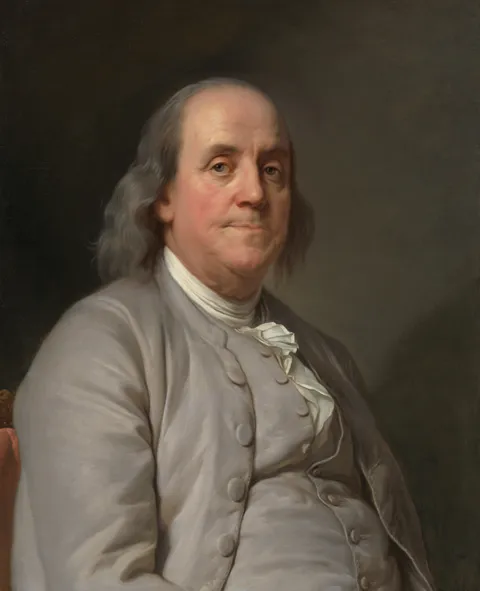 Benjamin Franklin1706 – 1790
Philadelphia printer, scientist and diplomat who signed the Declaration and the Constitution and won the French alliance in Paris
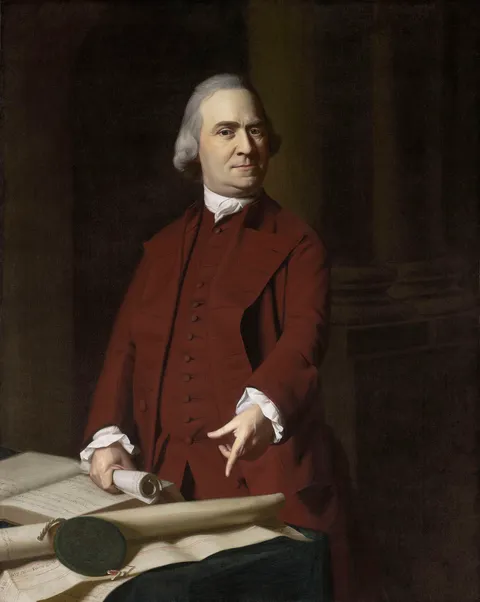 Samuel Adams1722 – 1803
Boston politician and leader of the Sons of Liberty against British taxation; a leader of the American Revolution
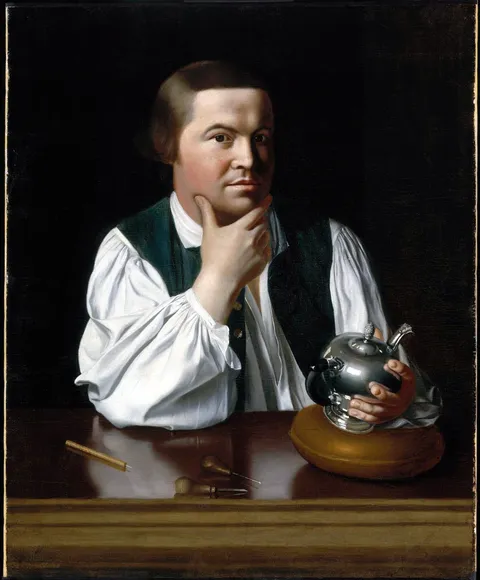 Paul Revere1735 – 1818
Boston silversmith who rode through the night of 18 April 1775 to warn that the British regulars were coming
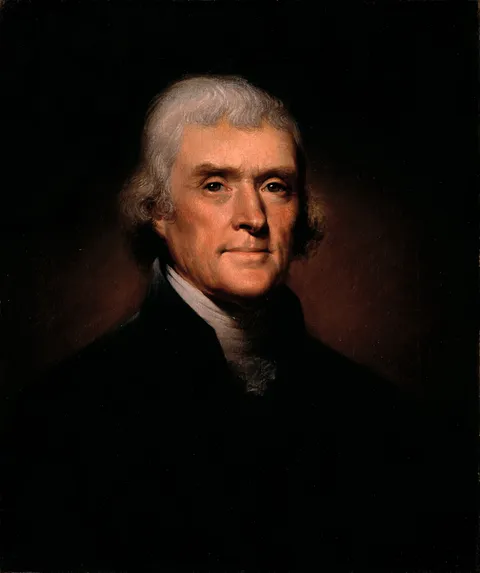 Thomas Jefferson1743 – 1826
Virginia statesman who drafted the Declaration of Independence and became the third US president (1801–1809)
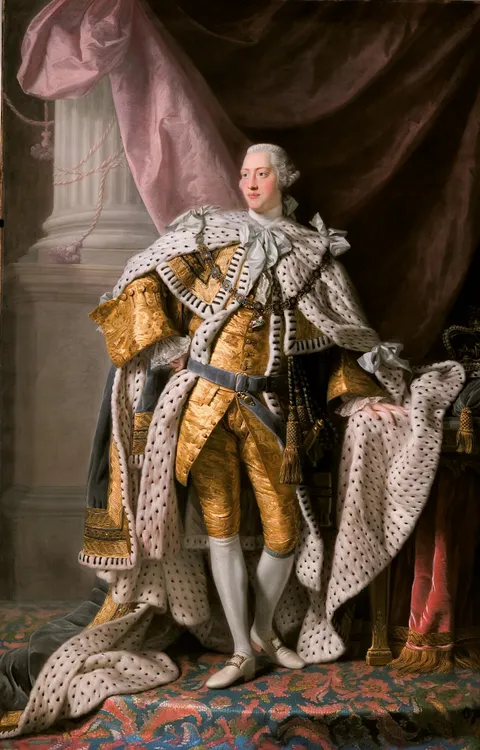 George III1738 – 1820
King of Great Britain (r. 1760–1820), in whose reign the thirteen American colonies won independence
Themes this person appears in
- Islamic Empires and the Atlantic World1500 – 1800
Three centuries in which the Ottomans of Suleiman I, the Mughals of Akbar and the Safavids of Abbas I flourished and then faltered, while across the Atlantic the slave trade and colonies transformed the Americas, leading to American independence
- Scientific Revolution, Enlightenment and the English Revolutions1543 – 1796
The Scientific Revolution from Copernicus to Newton, parliamentary government in England won through the Puritan and Glorious Revolutions, and the Enlightenment that sought to remake society by reason — the groundwork of the civic revolutions and the Industrial Revolution
- Revolutions and Nation-States1776 – 1871
From the Declaration of Independence to the German Empire — a century in which liberalism and nationalism toppled the old order in Europe and the Americas and built nation-states
- The American Revolution1765 – 1789
From the Stamp Act to Washington’s inauguration — thirteen colonies that cried “No taxation without representation” fought Britain for eight years, won their independence and framed a new republic under the Constitution