Buddhism Reaches China
Also called: White Horse Temple
Around the 1st century Buddhism entered China along the Silk Road. Tradition holds that the White Horse Temple was founded at Luoyang under Emperor Ming of the Later Han.
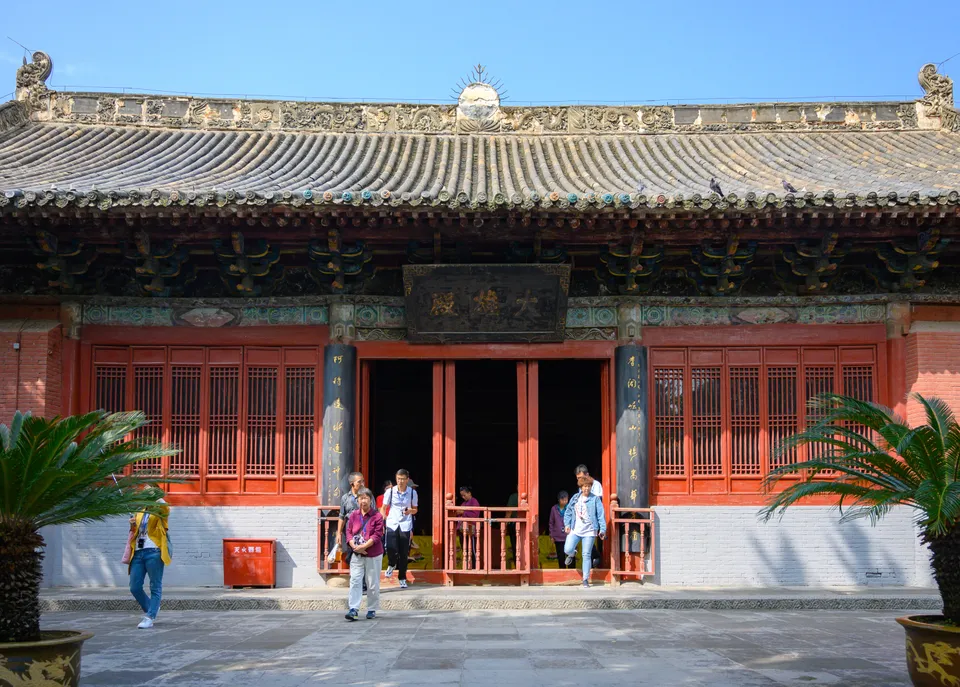
Buddhism came to China with monks and merchants travelling the Silk Road from the west. The earliest record says an envoy of the Yuezhi transmitted a sutra in 2 BCE. According to tradition, Emperor Ming of the Later Han dreamed of a golden man and sent envoys west; in 67 the Indian monks Kashyapa Matanga and Dharmaratna arrived at Luoyang with scriptures carried on white horses, and the White Horse Temple — counted as China’s first Buddhist temple — was founded the next year.
In the later 2nd century translators such as An Shigao from Parthia and Lokaksema from the Yuezhi rendered sutras into Chinese at Luoyang. At first Buddhism was understood as something like Huang-Lao Daoism or the cult of immortals, but it spread widely in the Wei, Jin and Northern and Southern dynasties. It reached Korea when Sundo of Former Qin brought it to Goguryeo in 372 and Marananta of Eastern Jin to Baekje in 384.