Convention of Beijing
Also called: Convention of Peking
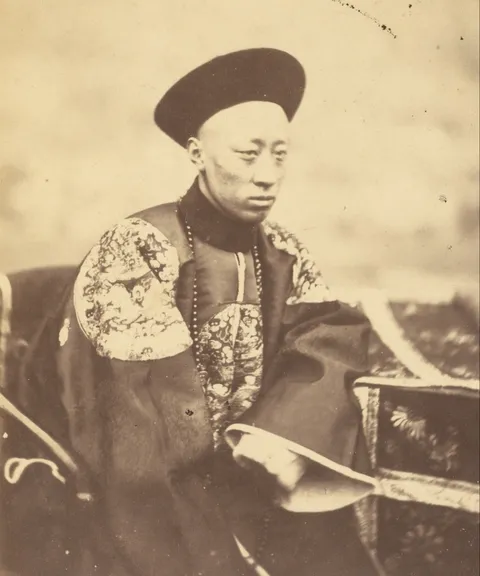
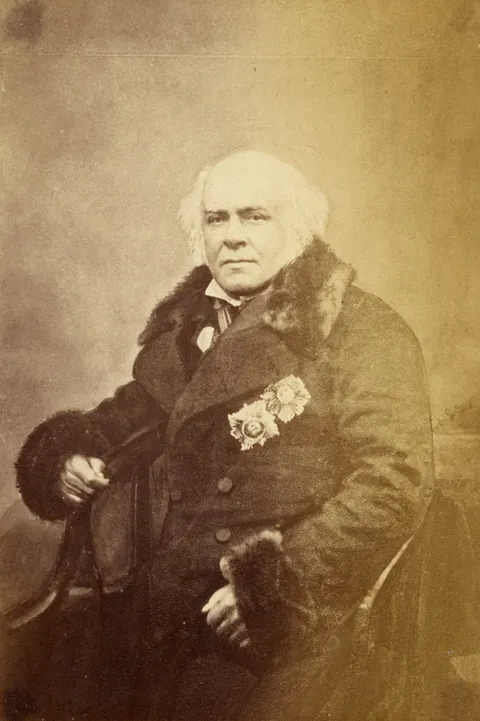
In October–November 1860 Prince Gong signed the Convention of Beijing with Britain, France and Russia. China opened Tianjin, ceded southern Kowloon to Britain, and gave Russia, which had acted as mediator, the Maritime Province east of the Ussuri.
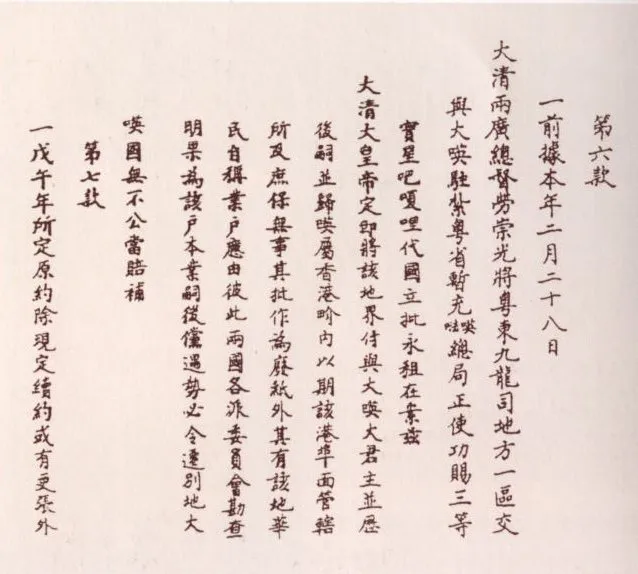
Qing Government, China in conjunction with the Europeans (French, British, Russian) in 1860 · Public domain · Source
Remaining in Beijing in place of the fled Xianfeng Emperor, Prince Gong signed the Convention of Beijing with Britain on 24 October and France on 25 October. China ratified the Treaty of Tianjin, opened Tianjin, paid larger indemnities and ceded the tip of the Kowloon peninsula to Britain. It also accepted foreign ministers resident in Beijing and missionaries preaching in the interior.
The Russian envoy Ignatiev, claiming credit for persuading the allies to leave Beijing, demanded his price. On 14 November China signed a Convention of Beijing with Russia too, confirming the Treaty of Aigun and ceding some 400,000 km² east of the Ussuri — the Maritime Province. That summer Russia had already founded Vladivostok at its southern tip.
Russia now shared a border with Korea on the lower Tumen River. The next year China set up the Zongli Yamen to handle foreign affairs and launched the Self-Strengthening Movement to learn Western technology.