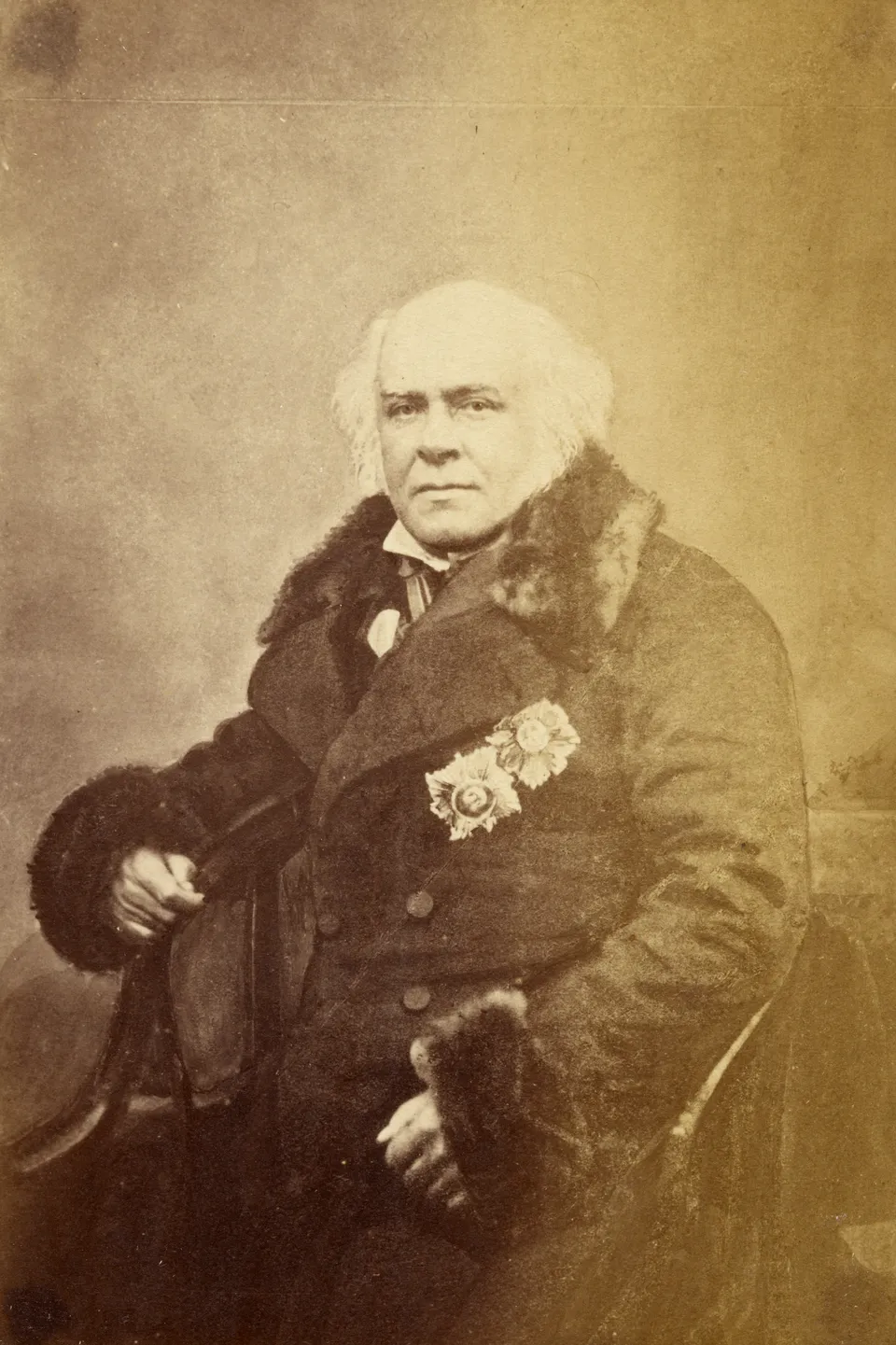
Lord Elgin in Beijing to sign the Convention — photograph by Felice Beato, 1860

Felice Beato (1832–1909); Henry Hering (1814–1893) · Public domain · Source

Person1811 – 1863

James Bruce, 8th Earl of Elgin

Also called: Lord Elgin

British diplomat, plenipotentiary in the Second Opium War, who concluded the treaties of Tianjin and Beijing and ordered the burning of the Yuanmingyuan in 1860; son of the Elgin of the Parthenon marbles
Where they went

OpenFreeMap © OpenMapTiles © OpenStreetMap contributors

2 related events

  1. 1

    In October 1860 Anglo-French forces reached Beijing, looted the Qing imperial garden palace of Yuanmingyuan and, on Lord Elgin’s order, burned it. The Xianfeng Emperor had already fled to Rehe.

  2. 2

    In October–November 1860 Prince Gong signed the Convention of Beijing with Britain, France and Russia. China opened Tianjin, ceded southern Kowloon to Britain, and gave Russia, which had acted as mediator, the Maritime Province east of the Ussuri.

People who appear alongside

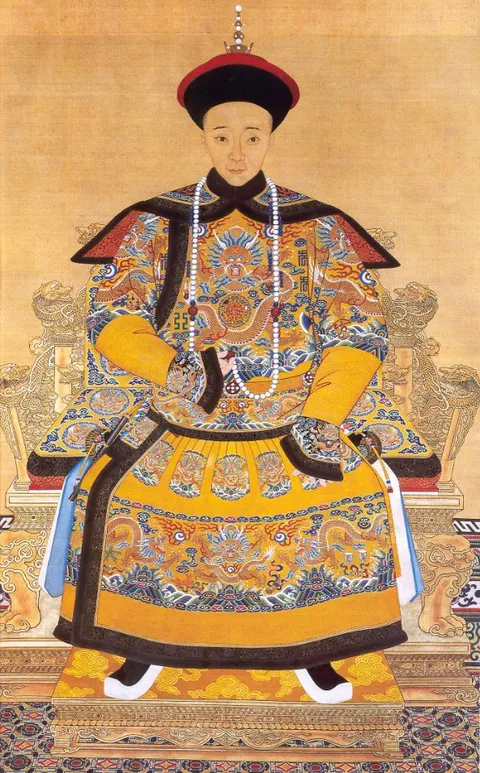
  • Xianfeng Emperor1831 – 1861

    Ninth Qing emperor (r. 1850–1861), who faced the Taiping Rebellion and the Second Opium War, fled to Rehe as Anglo-French forces neared Beijing in 1860, and died there

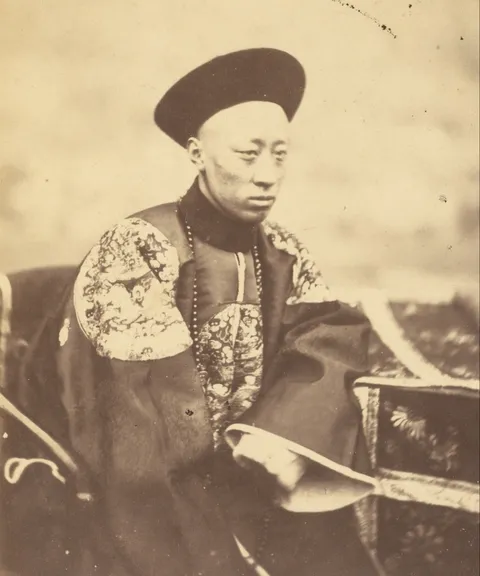
  • Prince Gong (Yixin)1833 – 1898

    Son of the Daoguang Emperor and brother of Xianfeng, who stayed in Beijing in 1860 when the emperor fled, signed the Convention of Beijing, and from 1861 led the Zongli Yamen and the Self-Strengthening Movement

Themes this person appears in

  • The Opium Wars1757 – 1864

    From the single gate at Canton to the burning of the Old Summer Palace — a century in which a trade in tea, silver and opium became the First and Second Opium Wars, forcing China open and costing it territory