Conflict6 – 19 October 1860

Looting and Burning of the Old Summer Palace

In October 1860 Anglo-French forces reached Beijing, looted the Qing imperial garden palace of Yuanmingyuan and, on Lord Elgin’s order, burned it. The Xianfeng Emperor had already fled to Rehe.
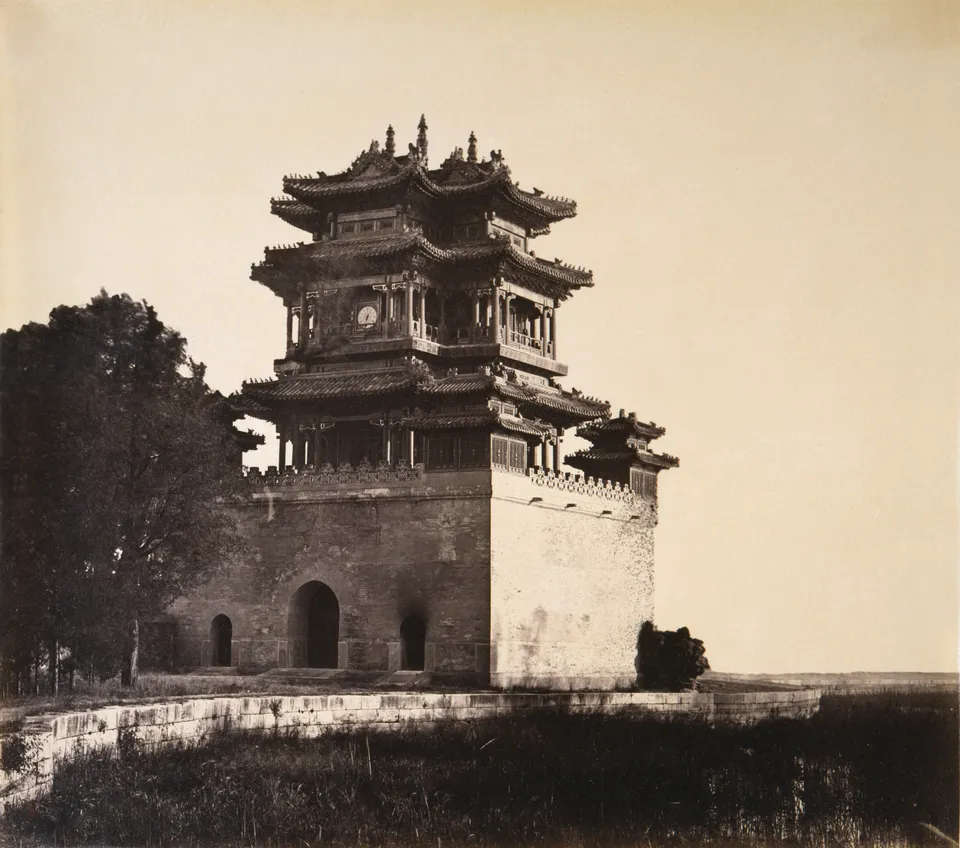
The imperial gardens just before the burning — photograph by Felice Beato, 6–18 October 1860

Felice Beato · Public domain · Source

In 1859 British and French envoys coming to ratify the Treaty of Tianjin were fired upon at the Dagu forts and withdrew. The next year some 18,000 Anglo-French troops returned, took the Dagu forts in August and advanced via Tianjin on Beijing. After they defeated the Qing cavalry at Baliqiao in September, the Xianfeng Emperor left matters to his brother Prince Gong and fled to the mountain resort at Rehe (Chengde).

From 6 October French troops, followed by the British, looted the Yuanmingyuan northwest of Beijing of treasures accumulated over 150 years. When nearly twenty of the British and French captured while negotiating came back dead, the British plenipotentiary Lord Elgin ordered the palace burned to punish the emperor. For two days from 18 October fire consumed the gardens.

The stone ruins of its European-style palaces that remain today have become a symbol in China of the "century of humiliation".
The map in 1860

OpenFreeMap © OpenMapTiles © OpenStreetMap contributors

States and rulers at the time
Great Britain · belligerent
France · belligerent
Qing · targeted — Xianfeng Emperor
Places
Yuanmingyuan (Old Summer Palace), Dagu (Taku) Forts, Chengde Mountain Resort

People

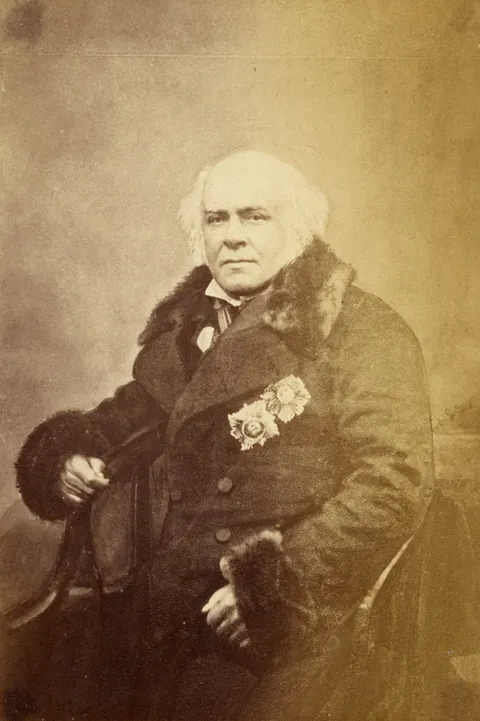
  • James Bruce, 8th Earl of Elgin1811 – 1863

    commander · British diplomat, plenipotentiary in the Second Opium War, who concluded the treaties of Tianjin and Beijing and ordered the burning of the Yuanmingyuan in 1860; son of the Elgin of the Parthenon marbles

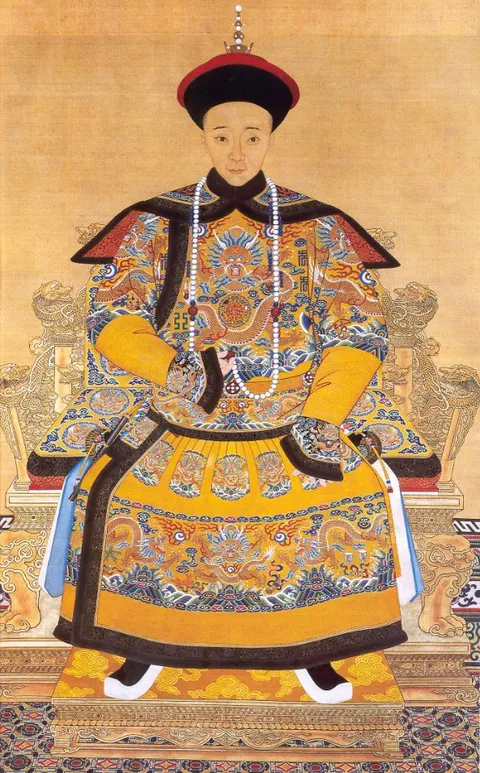
  • Xianfeng Emperor1831 – 1861

    monarch · Ninth Qing emperor (r. 1850–1861), who faced the Taiping Rebellion and the Second Opium War, fled to Rehe as Anglo-French forces neared Beijing in 1860, and died there

Before and after

Themes that include this event

  • The Opium Wars1757 – 1864

    From the single gate at Canton to the burning of the Old Summer Palace — a century in which a trade in tea, silver and opium became the First and Second Opium Wars, forcing China open and costing it territory