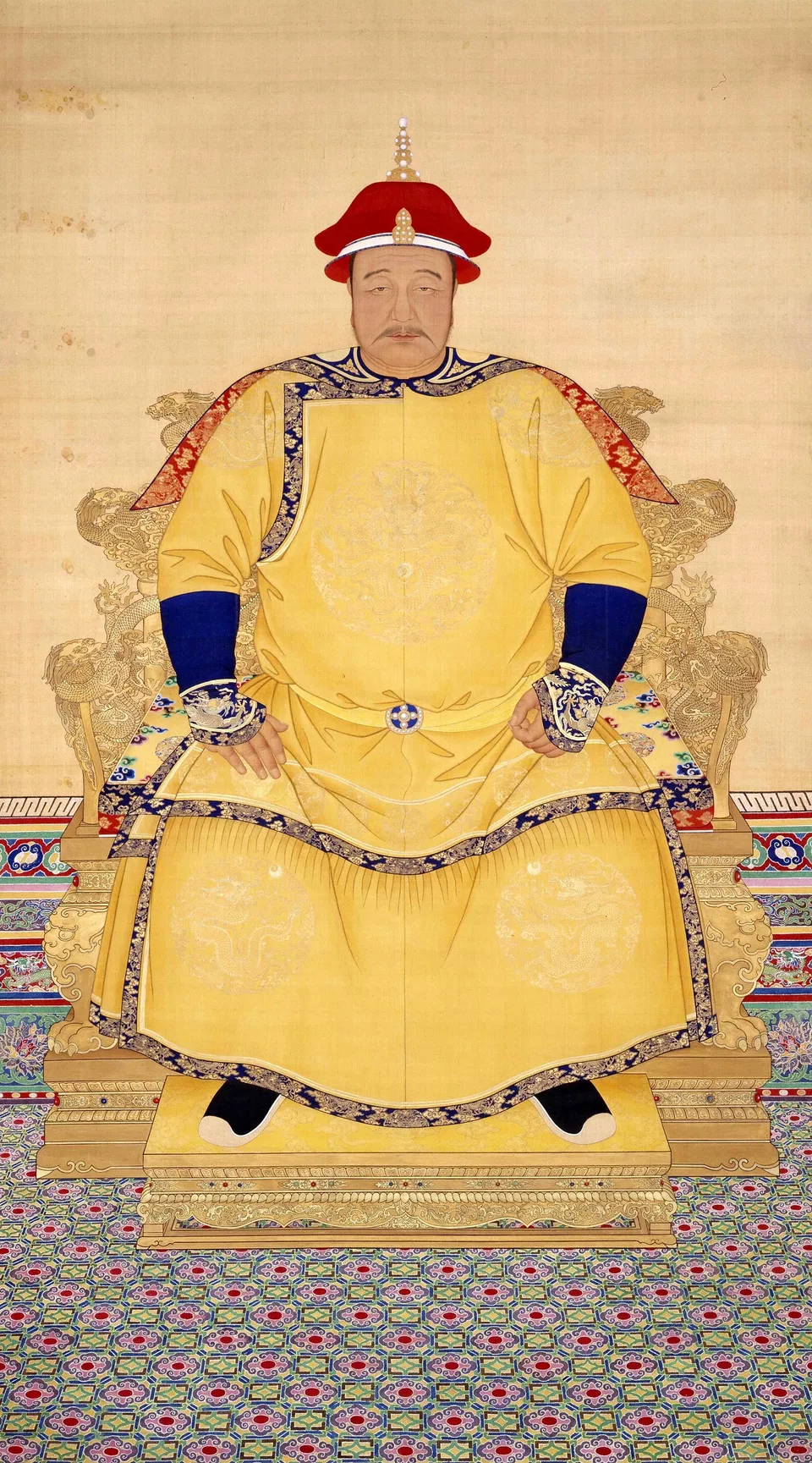
Anonymous Unknown author Qing Dynasty Court Painter · Public domain · Source
Person1592 – 1643
Hong Taiji
Khan of the Later Jin and first emperor of Qing, who invaded Joseon twice
Anonymous Unknown author Qing Dynasty Court Painter · Public domain · Source
Khan of the Later Jin and first emperor of Qing, who invaded Joseon twice
Nurhaci of the Jianzhou Jurchens united the Jurchens, created the Eight Banners and founded the Later Jin at Hetu Ala in 1616. His son Hong Taiji renamed the state Qing in 1636.
The Later Jin invaded with 30,000 troops; King Injo fled to Ganghwa, and the war ended with a pact making the two states “elder and younger brothers”.
Qing invaded Joseon. King Injo held out at Namhansanseong before surrendering at Samjeondo.
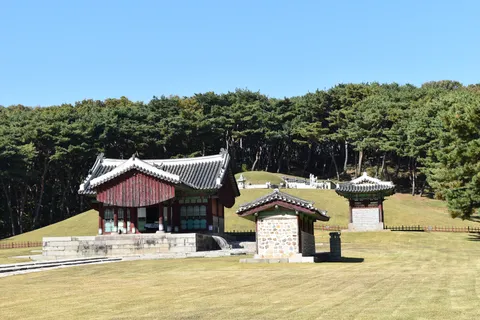
Sixteenth king of Joseon, enthroned by coup; endured two Manchu invasions and surrendered at Samjeondo
Jianzhou Jurchen chief who united the Jurchens and founded the Later Jin in 1616 (r. 1616–1626), created the Eight Banners and the Manchu script and defeated the Ming at Sarhu
Westerner who helped stage the Injo Restoration and led the case for making peace with Qing in the Second Manchu Invasion; also versed in Yangming learning
Westerner who led the call to fight on against Qing at Namhansanseong in the Second Manchu Invasion and was taken to Shenyang
The age when the Ming, shaken by northern raiders, southern pirates and the silver economy, fell to Li Zicheng’s rebels, and the Manchu Qing reached its greatest extent and prosperity under Kangxi, Yongzheng and Qianlong — as Japan was unified out of the Warring States into the Edo shogunate’s bakuhan order and closed country, and Joseon, after two great wars, met its neighbours through embassies to Edo and the Northern Learning
Three centuries in which the Ottomans of Suleiman I, the Mughals of Akbar and the Safavids of Abbas I flourished and then faltered, while across the Atlantic the slave trade and colonies transformed the Americas, leading to American independence
From Luther’s Ninety-five Theses to Catherine the Great — the wars of religion of a divided Christendom ended at Westphalia, and absolute monarchs armed with divine right, standing armies, bureaucracies and mercantilism, followed by the enlightened despots of eastern Europe, contended for the balance of power among sovereign states
From Hanseong Baekje to the June Democratic Struggle — the Han River land every kingdom fought for, and Joseon’s capital for five centuries
From dolmens to the Treaty of Ganghwa — Goryeo’s refuge capital and the stage of Korea’s opening, the island the kingdom fell back on in every crisis