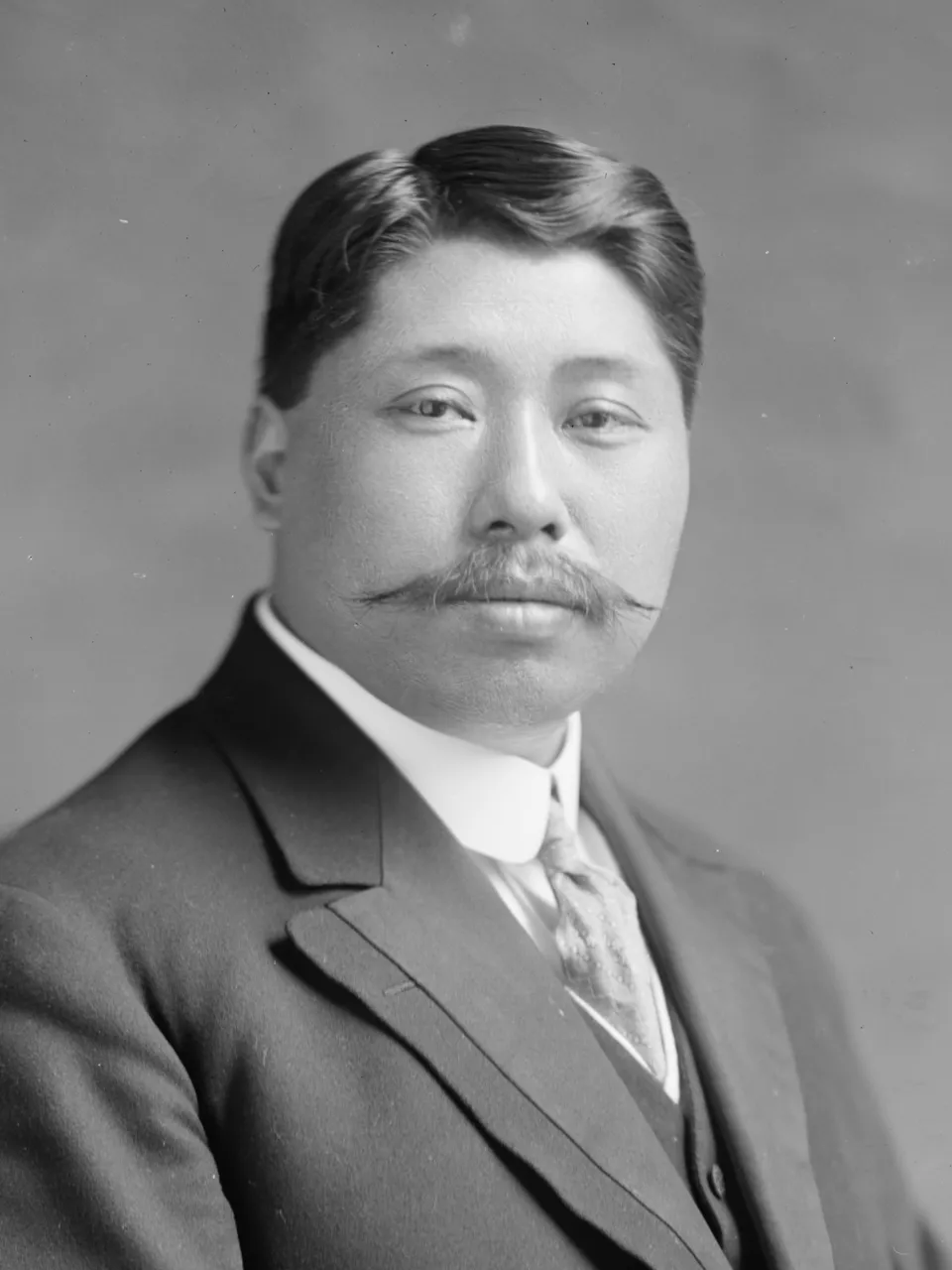
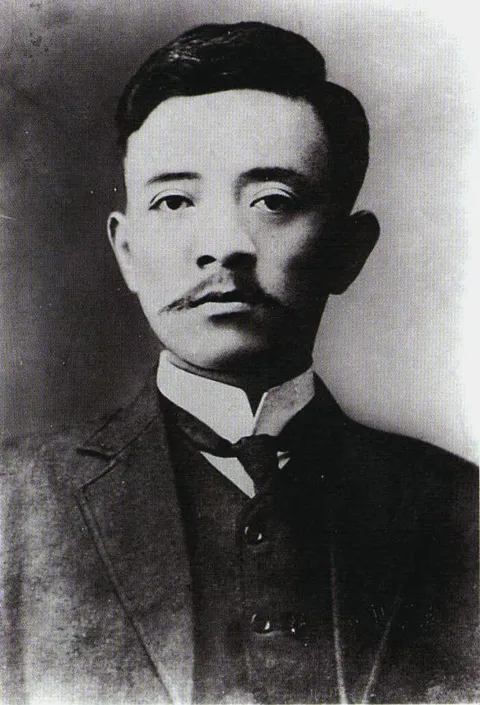
Huang Xing, revolutionary leader of the Tongmenghui

Harris & Ewing, photographer · Public domain · Source

Person1874 – 1916

Huang Xing

Also called: Huang Hsing

Revolutionary from Hunan who founded the China Arise Society and led the Tongmenghui with Sun Yat-sen, commanding the 1911 Guangzhou uprising and the defence of Hanyang
Where they went

OpenFreeMap © OpenMapTiles © OpenStreetMap contributors

4 related events

  1. 1

    On 20 August 1905 revolutionary groups including Sun Yat-sen’s Revive China Society and Huang Xing’s China Arise Society joined in Tokyo to form the Tongmenghui (Chinese Revolutionary Alliance), calling for the overthrow of the Manchu dynasty and a republic under the Three Principles of nationalism, democracy and the people’s livelihood.

  2. 2

    On 27 April 1911 a Tongmenghui suicide squad led by Huang Xing stormed the viceroy’s yamen in Guangzhou but was crushed within a day. The dead were buried at Huanghuagang as the “72 Martyrs”, and their sacrifice fired the revolution half a year later.

  3. 3
    1911Battle of Yangxiacommander

    From late October to late November 1911 Yuan Shikai’s Beiyang Army, recalled by the Qing, retook Hankou and Hanyang. But meanwhile the provinces of the south and west broke away from the Qing one after another, and on 2 December the revolutionaries took Nanjing.

  4. 4

    On 20 March 1913 Song Jiaoren, whose Kuomintang had won China’s first parliamentary election, was shot at Shanghai station and died two days later. When Yuan Shikai took a foreign loan without parliament’s consent, Sun Yat-sen and others launched the Second Revolution in July, which collapsed within two months.

People who appear alongside

  • Sun Yat-sen1866 – 1925

    Leader of the Chinese revolution who led the Tongmenghui under the Three Principles of the People and became provisional president of the Republic of China after the Xinhai Revolution

  • Song Jiaoren1882 – 1913

    Revolutionary from Hunan who founded the Kuomintang, won China’s first parliamentary election in 1913 and called for cabinet government, but was shot at Shanghai station that March

  • Yuan Shikai1859 – 1916

    Late-Qing master of the Beiyang Army who meddled in Joseon affairs after the 1882 Imo Incident; in the 1911 Revolution he secured the emperor’s abdication and became president of the Republic, but his bid to make himself emperor failed

  • Li Yuanhong1864 – 1928

    Brigade commander of the Hubei New Army who was pushed by the rebels into heading their military government after the Wuchang uprising of 1911, later vice-president and president of the Republic

Themes this person appears in

  • The 1911 Revolution1894 – 1916

    From the Revive China Society to the death of Yuan Shikai — twenty-two years in which, amid debt and failed reform, revolutionaries and the New Army brought down the Qing and founded Asia’s first republic, which passed through dictatorship and a short-lived monarchy into the age of the warlords