CultureGoryeo

Rock-carved Standing Buddha at Icheon-dong, Andong

Also called: Jebiwon Buddha

A colossal Goryeo Buddha whose body is carved on a great rock with a separately made head set on top. Called the "Jebiwon Buddha", it shows the regional character of Goryeo sculpture.
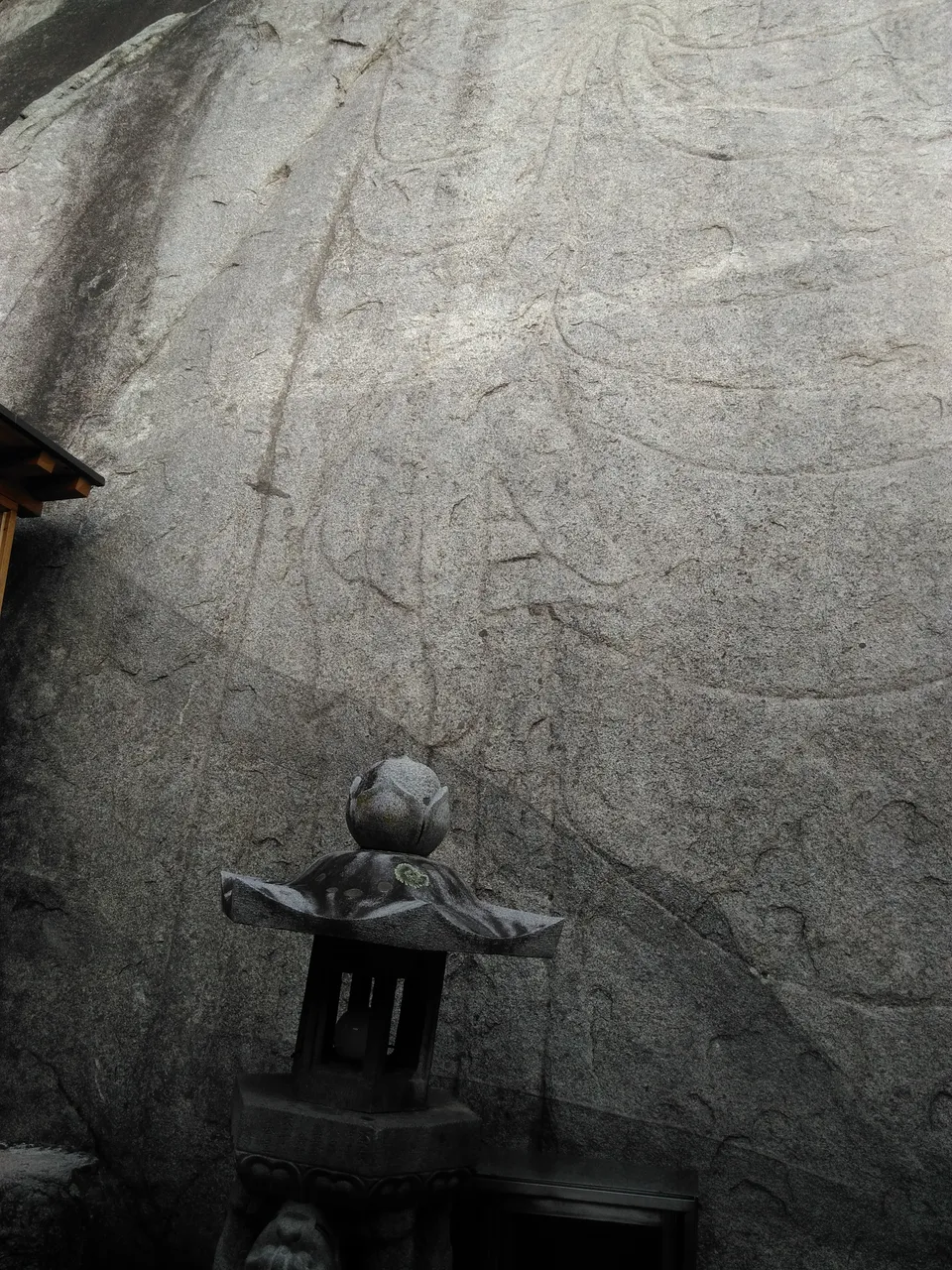
Rock-carved standing Buddha at Icheon-dong, Andong (Jebiwon Buddha) — body carved on the rock, head set on top

G41rn8 · CC BY-SA 4.0 · Source

The body and robe are incised on a natural boulder more than 12 m high, and the head was carved separately and placed on top — a method also seen in Goryeo works such as the rock-carved pair of Buddhas at Yongmi-ri, Paju. Its large head and thick lips show the regional character of Goryeo’s colossal statues. It stands where the Jebiwon inn once served travellers, hence the name "Jebiwon Buddha", and tradition makes it the source of the Seongju house-god cult. It is a Treasure.

The map in 1100

OpenFreeMap © OpenMapTiles © OpenStreetMap contributors

States and rulers at the time
Goryeo — Sukjong

Before and after

Themes that include this event

  • Changes in Buddhist StatuesAD 539 – 1100

    From a Goguryeo gilt-bronze Buddha in Northern Wei style and "the smile of Baekje" to the Seokguram Buddha, Balhae’s twin Buddhas, early Goryeo iron Buddhas and colossal regional stone figures

  • AndongAD 930 – 1940

    From the Battle of Gochang that helped found Goryeo to Yi Hwang’s Dosan Seowon — home of Goryeo wooden halls and Yeongnam Confucianism