Local historyAD 930 – 19407 events
Andong
From the Battle of Gochang that helped found Goryeo to Yi Hwang’s Dosan Seowon — home of Goryeo wooden halls and Yeongnam Confucianism
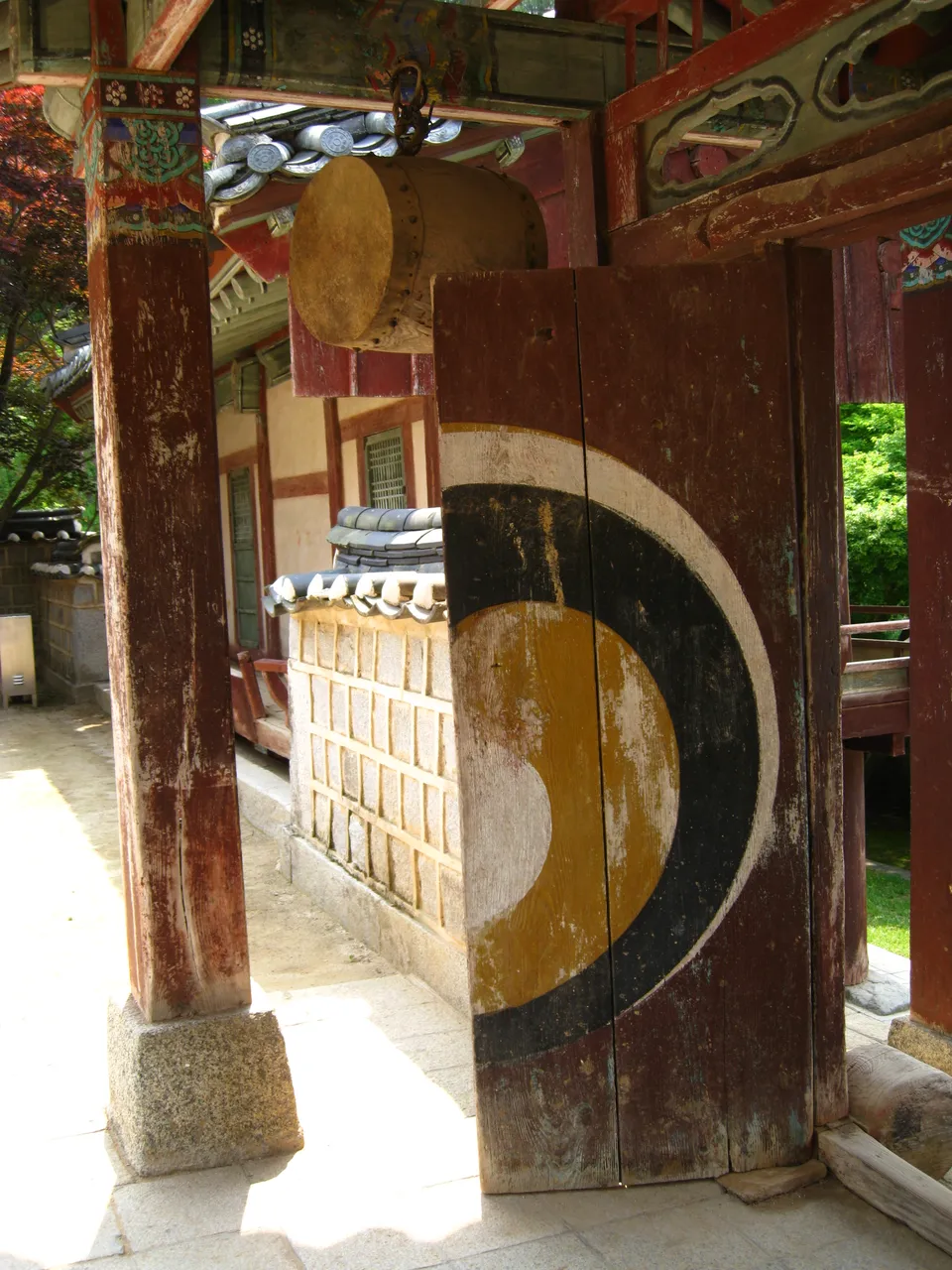
Julie · CC BY-SA 2.0 · Source
From the Battle of Gochang that helped found Goryeo to Yi Hwang’s Dosan Seowon — home of Goryeo wooden halls and Yeongnam Confucianism
Julie · CC BY-SA 2.0 · Source
| Era | Event | Details |
|---|---|---|
| Later Three Kingdoms | Battle of Gochang | Wang Geon beats Gyeon Hwon with local lords |
| Goryeo | Icheon-dong rock-carved Buddha | Carved head set on a rock body |
| Goryeo | Geungnakjeon, Bongjeongsa | Oldest wooden building; jusimpo brackets |
| Goryeo, Gongmin | Red Turban invasions | Gongmin takes refuge in Bokju (Andong) |
| Joseon, Seonjo | Yi Hwang’s Ten Diagrams | Taught at Dosan Seodang, Andong |
| Joseon, Seonjo | Dosan Seowon | Honours Yi Hwang; chartered; survived 1871 |
| Japanese rule | Hunminjeongeum Haerye found | Surfaced in Andong; saved by Jeon Hyeong-pil |
Wang Geon crushed Gyeon Hwon’s Later Baekje army at Gochang (Andong), winning Goryeo the initiative among the Later Three Kingdoms.
A colossal Goryeo Buddha whose body is carved on a great rock with a separately made head set on top. Called the "Jebiwon Buddha", it shows the regional character of Goryeo sculpture.
The oldest surviving wooden building in Korea. A record of roof repairs in 1363 shows this Goryeo column-head-bracket hall was built well before then.
The Red Turbans, Han Chinese rebels against the late Yuan, invaded Goryeo twice; in the second invasion Gaegyeong fell and King Gongmin fled to Bokju (Andong).
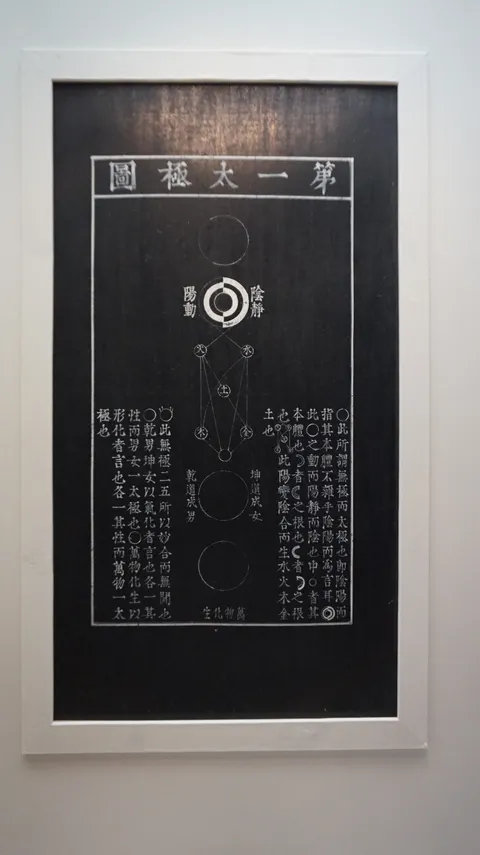
Yi Hwang presented the Seonghak sipdo (Ten Diagrams on Sage Learning), summarising Neo-Confucianism in ten diagrams, to King Seonjo, who had come to the throne at sixteen.
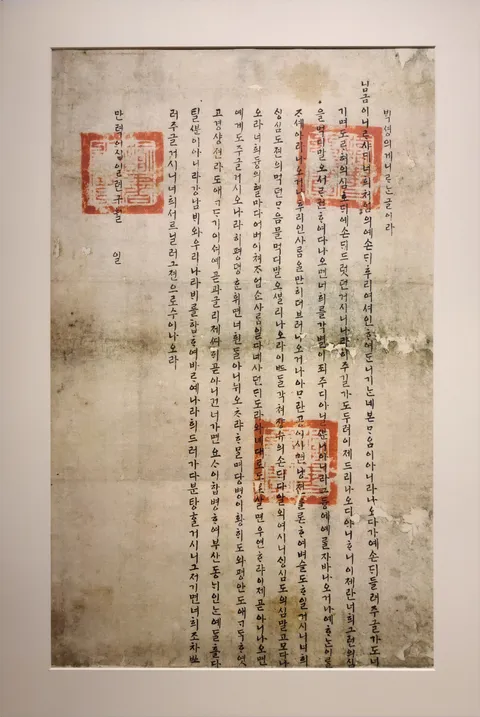
After Yi Hwang’s death his disciples built an academy behind the Dosan school where he had taught; the next year King Seonjo granted it a signboard reading "Dosan" (royal charter).
The Haerye edition of the Hunminjeongeum, published in 1446, came to light in Andong, revealing for the first time the principles behind the Korean alphabet.
Leading Neo-Confucian scholar who secured a royal charter for Baegundong Academy
Songak magnate who served Gung Ye, took Naju, overthrew Gung Ye to found Goryeo in 918 and reunified the Later Three Kingdoms in 935–936
Silla soldier from Gaeun in Sangju who founded Later Baekje at Wansan-ju in 900; deposed by his son Singeom, he defected to Goryeo
Thirty-first king of Goryeo, who led anti-Yuan reforms, recovered the Ssangseong Commandery and backed Sin Don’s reforms
General who fought the Red Turbans and Japanese pirates, won at Hongsan in 1376, and was executed after the Wihwado retreat

Founder and first king of Joseon, formerly a general who fought Japanese pirates and the Red Turbans