Late Qing New Policies and the End of the Examinations
Also called: New Policies, Xinzheng, Abolition of the imperial examinations
After the Boxer Protocol the Qing launched the New Policies from 1901, bringing in modern armies, schools and offices. In 1905 it abolished the 1,300-year-old civil service examinations, and many of the young people it sent to study in Japan became revolutionaries.
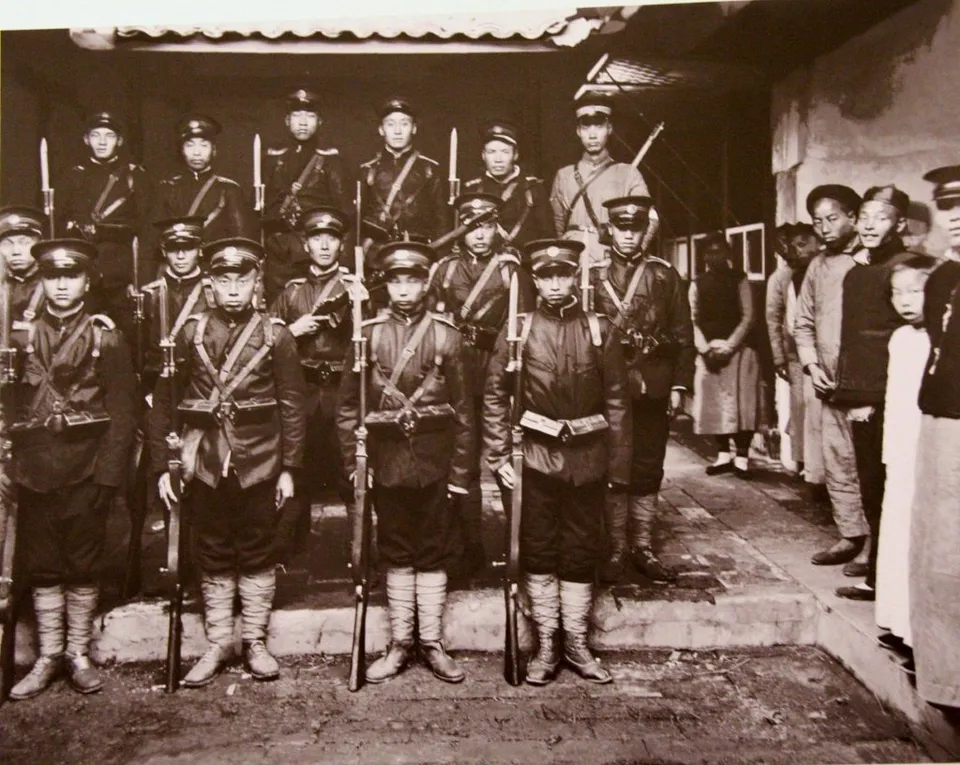
Luther Knight · Public domain · Source
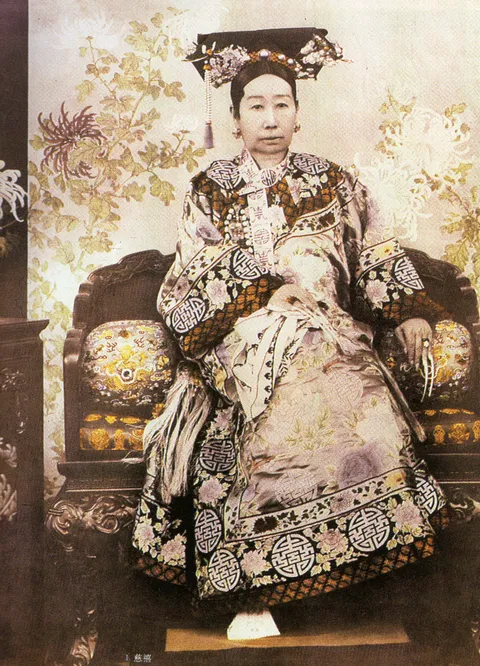
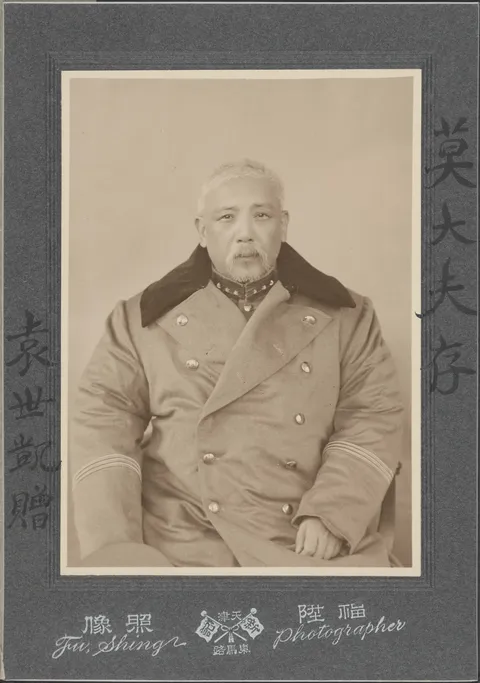
In January 1901 Cixi, still in flight at Xi’an, issued an edict promising reform, and after returning to Beijing in 1902 she carried out the New Policies. Much of the reform she had crushed in 1898 was now taken up by the court itself. Yuan Shikai built six divisions of Western-trained Beiyang New Army in Zhili, and New Army units appeared in the provinces. Modern schools were opened and the government sent young people to study in Japan.
On 2 September 1905 the Qing abolished the civil service examinations, which had run for 1,300 years since the Sui. As the road to advancement shifted to schools, study abroad and the New Army, nearly 10,000 Chinese students gathered in Tokyo at the peak. Yet many of them took up revolutionary ideas, and revolutionary societies spread among the officers and men of the New Army too.
The cost of the reforms, on top of the Boxer indemnity, fell on the people as new taxes. In 1906 the court promised to prepare a constitution, but its reforms leaned towards strengthening the Manchu imperial house.