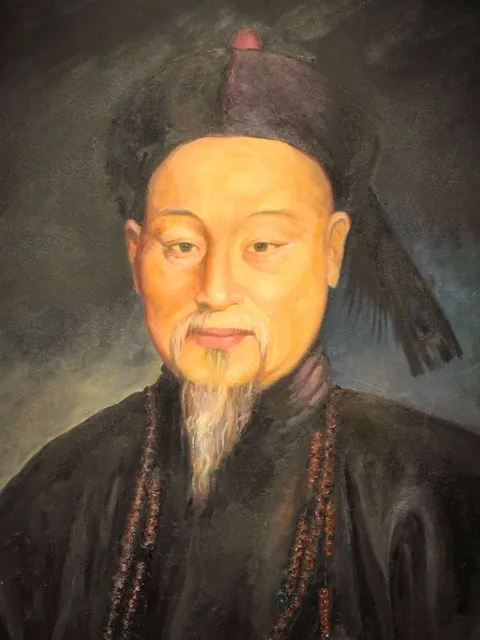
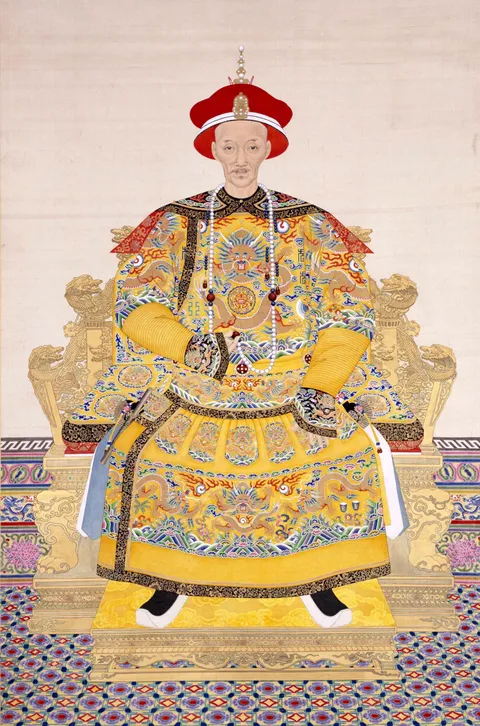
Lin Zexu Seizes and Destroys the Opium at Humen
Also called: Destruction of opium at Humen
In 1839 Imperial Commissioner Lin Zexu blockaded the foreign factories at Canton, forced the surrender of more than 20,000 chests of British opium, and destroyed it on the shore at Humen with lime and salt, flushing it into the sea.
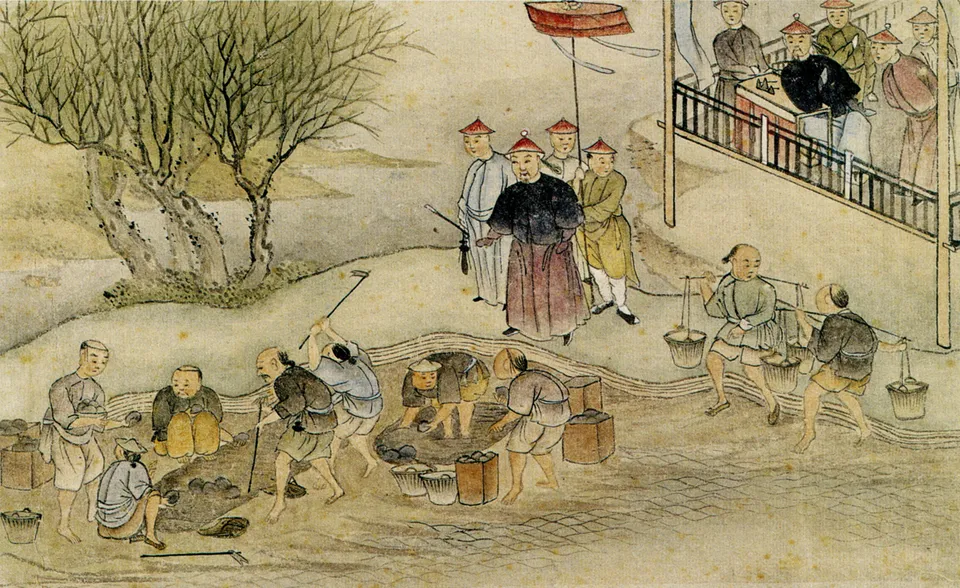
Chinese artist · Public domain · Source
When the court divided over whether to ban opium outright or legalise and tax it, the Daoguang Emperor chose prohibition and sent Lin Zexu, Viceroy of Huguang, to Canton as Imperial Commissioner. Arriving in March 1839, Lin surrounded the foreign factories with troops and demanded all the opium.
After more than six weeks of confinement, the British Superintendent of Trade, Charles Elliot, had the merchants hand over their opium, promising that the British government would compensate them. The surrendered opium came to 20,283 chests — more than 1,000 tonnes.
For 23 days from 3 June, Lin had the opium dissolved in trenches dug on the shore at Humen with brine and lime, then flushed into the sea. He is said to have offered a sacrifice to the spirit of the sea, warning the fish to move away. But the compensation Elliot had promised became Britain’s pretext for war.