Person1801 – 1875
Charles Elliot
British naval officer and diplomat, Superintendent of Trade at Canton, who surrendered the opium to Lin Zexu and took Hong Kong Island in 1841, only to be recalled for settling for too little
British naval officer and diplomat, Superintendent of Trade at Canton, who surrendered the opium to Lin Zexu and took Hong Kong Island in 1841, only to be recalled for settling for too little
In 1839 Imperial Commissioner Lin Zexu blockaded the foreign factories at Canton, forced the surrender of more than 20,000 chests of British opium, and destroyed it on the shore at Humen with lime and salt, flushing it into the sea.
In January 1841 British forces, led by the iron steamer Nemesis, destroyed the Chuanbi forts and on 26 January landed on Hong Kong Island and raised the flag. The island was ceded to Britain the following year by the Treaty of Nanjing.
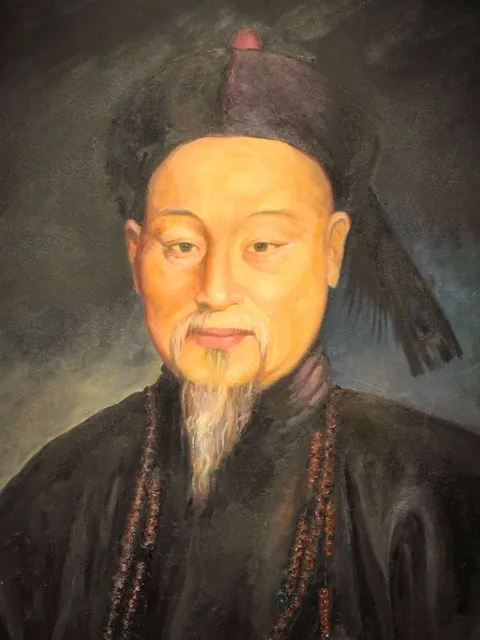
Qing official who, as imperial commissioner at Canton, seized and destroyed British opium, setting off the Opium War
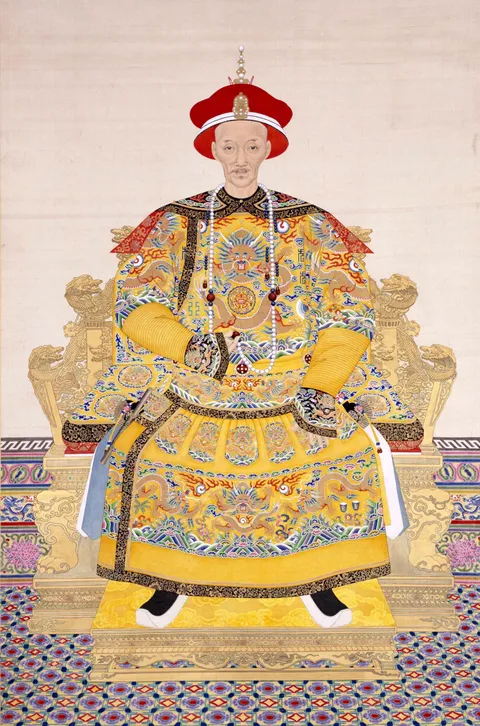
Eighth Qing emperor (r. 1820–1850), who sent Lin Zexu to Canton to stamp out opium but lost the Opium War and signed the Treaty of Nanjing
From the single gate at Canton to the burning of the Old Summer Palace — a century in which a trade in tea, silver and opium became the First and Second Opium Wars, forcing China open and costing it territory