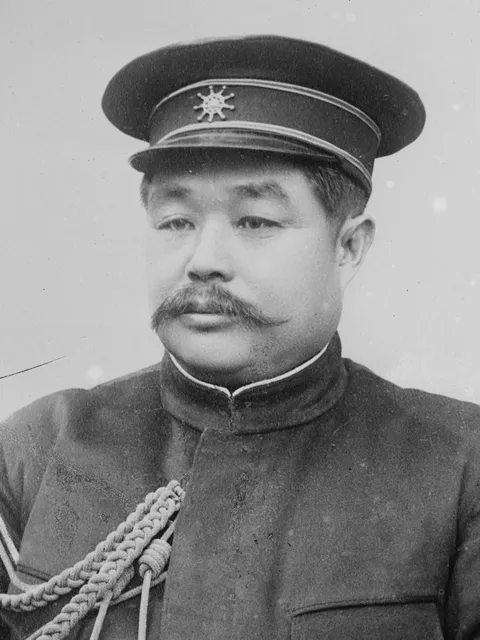
Conflict25 December 1915 – 6 June 1916

National Protection War

Also called: War against the Monarchy, Hongxian monarchy, Empire of China (1915–1916)

When Yuan Shikai moved to take the throne in December 1915, Cai E and others raised the National Protection Army in Yunnan on the 25th. As southern provinces declared independence one after another, Yuan gave up the monarchy after 83 days, and died of illness on 6 June 1916.
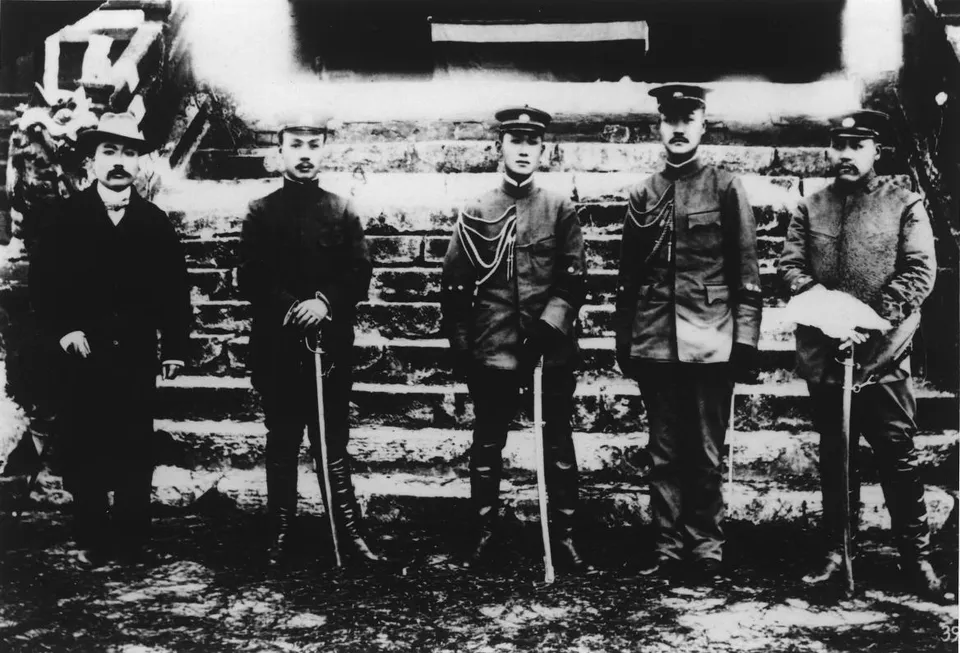
Cai E (centre) and the commanders who raised the National Protection Army in Yunnan, 1916

Unknown author · Public domain · Source

Having done away with parliament, from the summer of 1915 Yuan Shikai had his followers stir up opinion that “a republic does not suit China” and gather provincial delegates to petition him to become emperor. On 12 December he accepted, declaring that the next year would be the first of the Hongxian era and the state the Empire of China.

Cai E, watched in Beijing, slipped away via Japan to Yunnan, and on 25 December declared independence with Tang Jiyao and others and raised the National Protection Army. While it advanced into Sichuan, Guizhou, Guangxi, Guangdong and Zhejiang declared independence, and Yuan’s own Beiyang generals turned against him. Japan and the other powers also opposed the monarchy.

On 22 March 1916 Yuan abandoned the throne — 83 days after the new era began on 1 January. The southern provinces demanded that he resign the presidency as well, and on 6 June he died of uraemia. Vice-president Li Yuanhong succeeded him, but real power passed to the Beiyang generals: the warlords.
The map in 1915

OpenFreeMap © OpenMapTiles © OpenStreetMap contributors

States at the time
Republic of China

People

  • Cai E1882 – 1916

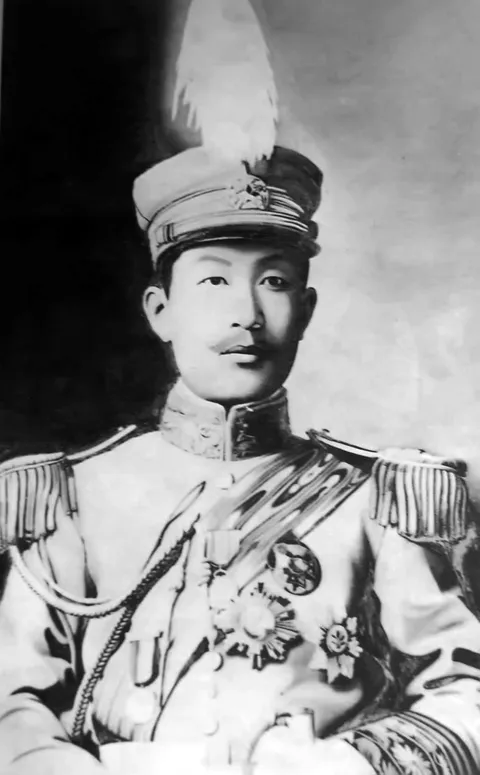
    commander · Soldier from Hunan who led the 1911 rising in Yunnan and, when Yuan Shikai moved to make himself emperor in 1915, slipped back to Yunnan to raise the National Protection Army

  • Yuan Shikai1859 – 1916

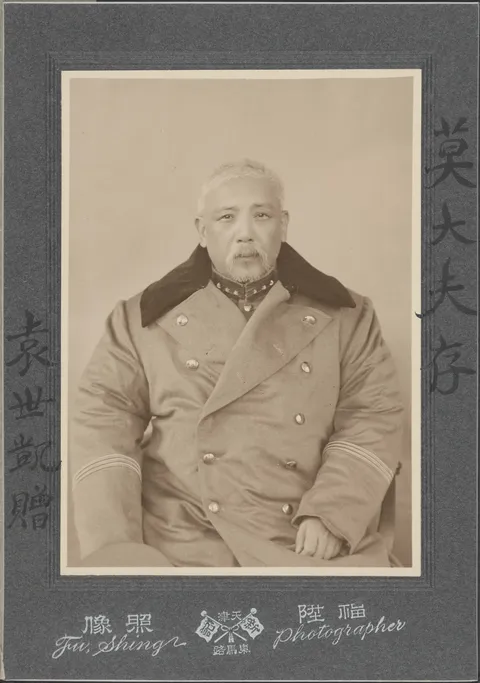
    monarch · Late-Qing master of the Beiyang Army who meddled in Joseon affairs after the 1882 Imo Incident; in the 1911 Revolution he secured the emperor’s abdication and became president of the Republic, but his bid to make himself emperor failed

  • Li Yuanhong1864 – 1928

    related figure · Brigade commander of the Hubei New Army who was pushed by the rebels into heading their military government after the Wuchang uprising of 1911, later vice-president and president of the Republic

Before and after

Themes that include this event

  • The 1911 Revolution1894 – 1916

    From the Revive China Society to the death of Yuan Shikai — twenty-two years in which, amid debt and failed reform, revolutionaries and the New Army brought down the Qing and founded Asia’s first republic, which passed through dictatorship and a short-lived monarchy into the age of the warlords