Politics20 March – September 1913

Assassination of Song Jiaoren and the Second Revolution

Also called: Second Revolution, Reorganisation Loan

On 20 March 1913 Song Jiaoren, whose Kuomintang had won China’s first parliamentary election, was shot at Shanghai station and died two days later. When Yuan Shikai took a foreign loan without parliament’s consent, Sun Yat-sen and others launched the Second Revolution in July, which collapsed within two months.
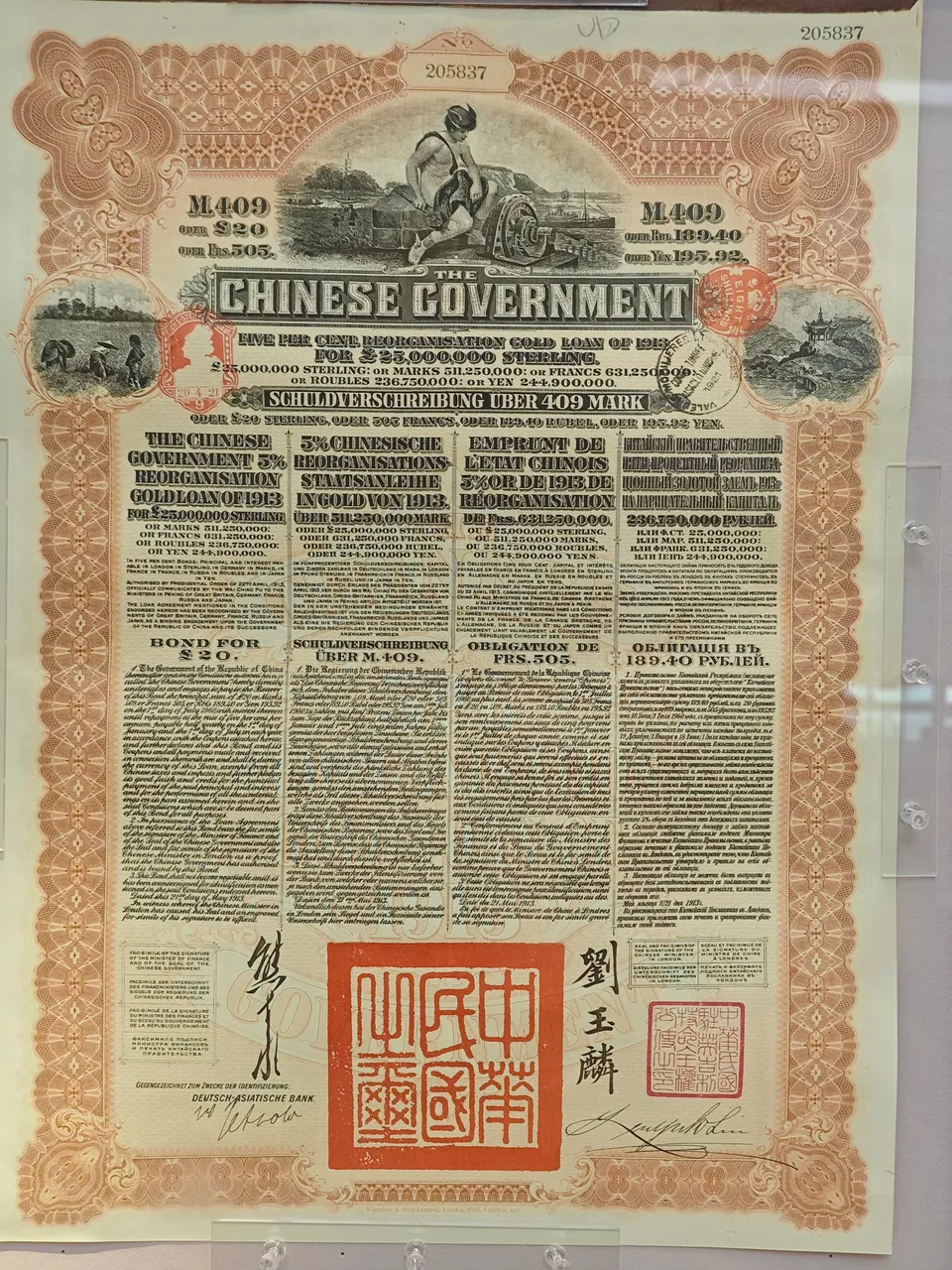
A bond of the Reorganisation Loan that Yuan Shikai’s government took without parliament’s consent, 1913

Unknown author · Public domain · Source

In August 1912 Song Jiaoren built the Kuomintang around the Tongmenghui, and in the first parliamentary elections, held from the end of that year, it won the most seats. Song meant to bind the president through cabinet government answerable to parliament. On 20 March 1913, about to leave for Beijing, he was shot at Shanghai station and died on the 22nd, aged 30; the investigation led to the circle of Yuan’s premier.

In April Yuan, without parliament’s consent, borrowed £25 million from a five-power consortium of Britain, France, Germany, Russia and Japan (the Reorganisation Loan), pledging the salt tax and accepting foreign supervision of its collection. With the money he strengthened his army and replaced Kuomintang governors; in July, beginning with Li Liejun in Jiangxi, several southern provinces declared independence (the Second Revolution).

The Beiyang Army took Nanjing on 1 September and crushed the rising within two months; Sun Yat-sen and Huang Xing fled again to Japan. Elected full president in October, Yuan dissolved the Kuomintang in November and did away with parliament the next year.
The map in 1913

OpenFreeMap © OpenMapTiles © OpenStreetMap contributors

States at the time
Republic of China
Places
Nanjing

People

  • Song Jiaoren1882 – 1913

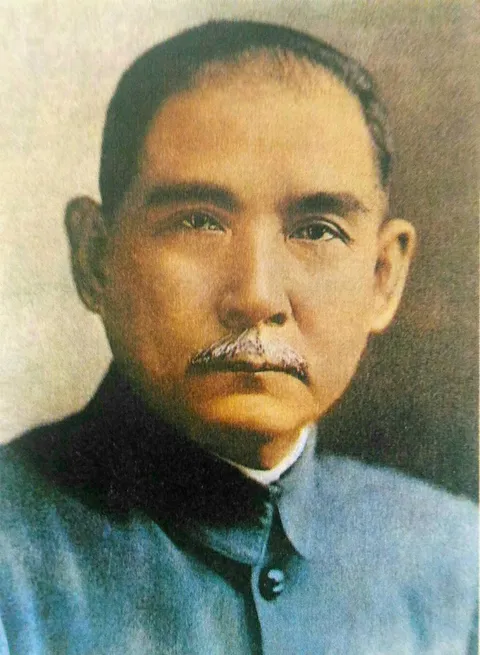
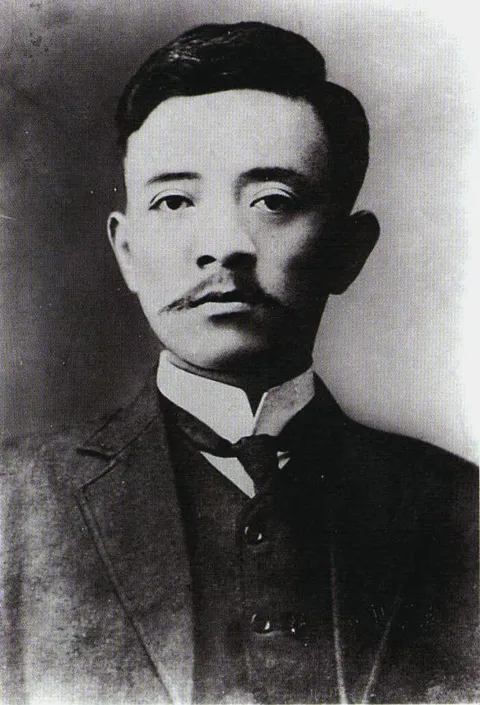
    key figure · Revolutionary from Hunan who founded the Kuomintang, won China’s first parliamentary election in 1913 and called for cabinet government, but was shot at Shanghai station that March

  • Yuan Shikai1859 – 1916

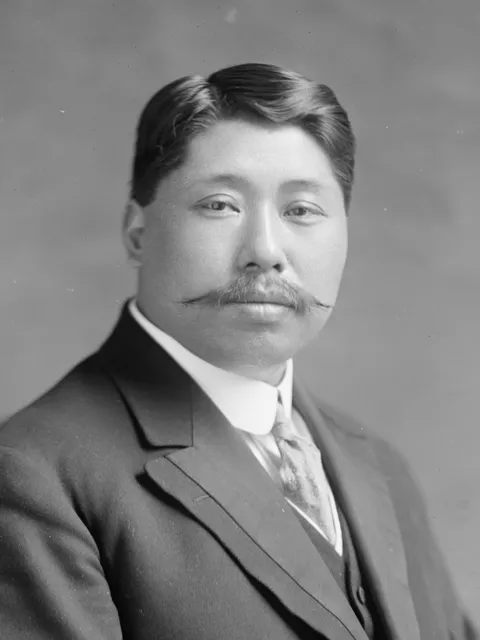
    key figure · Late-Qing master of the Beiyang Army who meddled in Joseon affairs after the 1882 Imo Incident; in the 1911 Revolution he secured the emperor’s abdication and became president of the Republic, but his bid to make himself emperor failed

  • Sun Yat-sen1866 – 1925

    key figure · Leader of the Chinese revolution who led the Tongmenghui under the Three Principles of the People and became provisional president of the Republic of China after the Xinhai Revolution

  • Huang Xing1874 – 1916

    commander · Revolutionary from Hunan who founded the China Arise Society and led the Tongmenghui with Sun Yat-sen, commanding the 1911 Guangzhou uprising and the defence of Hanyang

Before and after

Themes that include this event

  • The 1911 Revolution1894 – 1916

    From the Revive China Society to the death of Yuan Shikai — twenty-two years in which, amid debt and failed reform, revolutionaries and the New Army brought down the Qing and founded Asia’s first republic, which passed through dictatorship and a short-lived monarchy into the age of the warlords