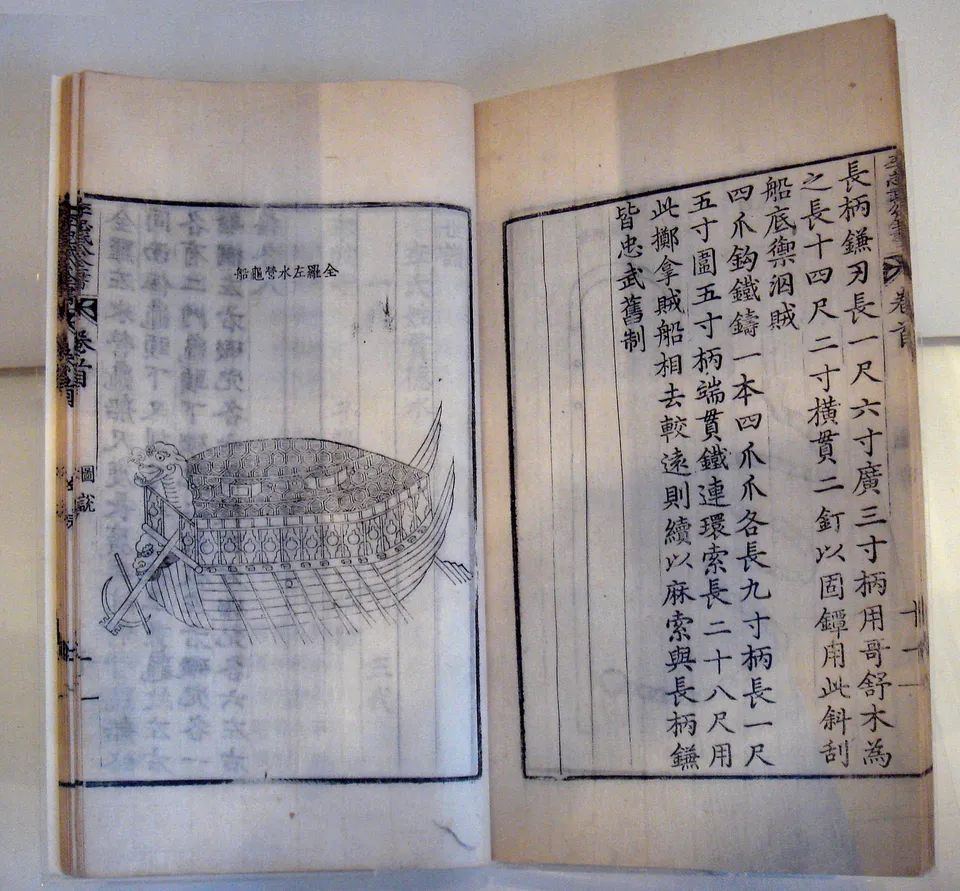
Turtle ship illustration in the Yi Chungmugong jeonseo, Yi Sun-sin’s collected works printed by royal order in 1795

PHGCOM · CC BY-SA 3.0 · Source

Person1545 – 1598

Yi Sun-sin

Admiral of the Joseon navy, victorious at Okpo, Hansando and Myeongnyang

Appointed Left Naval Commander of Jeolla before the war, he built turtle ships and trained his fleet. In 1592 he won his first victory at Okpo, sent turtle ships into battle for the first time at Sacheon, and crushed the Japanese navy at Hansando with the crane-wing formation, taking control of the southern sea. Arrested on false charges in 1597, he served as a common soldier, then after the defeat at Chilcheollyang was reappointed and beat the Japanese fleet at Myeongnyang with 13 ships. He fell at the Battle of Noryang in 1598, reportedly saying "Do not announce my death." He left the Nanjung ilgi (War Diary).
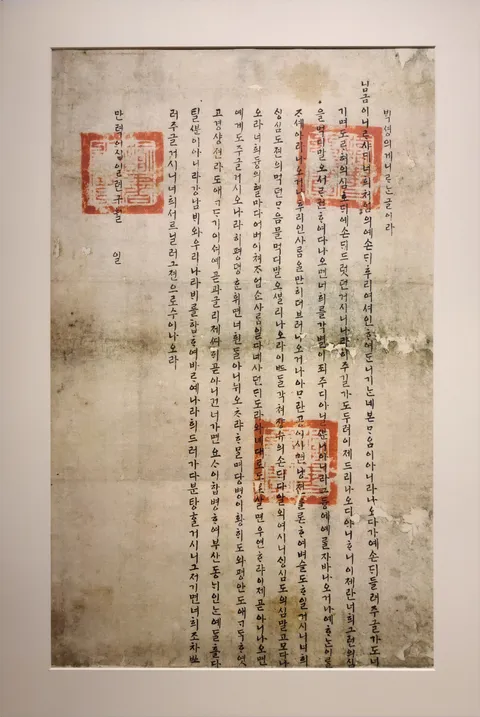
Where they went

OpenFreeMap © OpenMapTiles © OpenStreetMap contributors

8 related events

  1. 1

    The diary Yi Sun-sin kept in camp through the seven years of the Imjin War; Memory of the World since 2013.

  2. 1592 – 1598Imjin Warcommander

    A seven-year war that began with Japan's invasion of Joseon in 1592 and lasted until 1598. Ming China sent troops, turning it into an East Asian international war.

  3. 2
    1592Battle of Okpocommander

    The Joseon navy under Yi Sun-sin won its first major victory over the Japanese fleet at Okpo on Geoje Island.

  4. 3
    1592Battle of Sacheoncommander

    Yi Sun-sin’s fleet destroyed 13 Japanese ships at Sacheon. The turtle ship fought for the first time, and Yi was shot in the shoulder.

  5. 4
    1592Battle of Hansandocommander

    Yi Sun-sin lured the Japanese fleet out of the Gyeonnaeryang strait and crushed it off Hansando with his crane-wing formation, closing the western sea route to Japanese supply.

  6. 5
    1592Battle of Busanpocommander

    Yi Sun-sin attacked the Japanese base at Busan and destroyed some 100 ships at anchor. Jeong Un, commander of Nokdo, was killed.

  7. 6

    Restored to command, Yi Sun-sin used the fierce currents of the Uldolmok strait to beat back some 130 Japanese ships with his remaining 13.

  8. 7
    1598Battle of Noryangcommander

    The allied Joseon and Ming fleets intercepted the withdrawing Japanese navy at Noryang and won a major victory. Yi Sun-sin was killed in the battle.

Related works

Dramatized works (films, dramas, novels) may differ from the historical record.

People who appear alongside

  • King Seonjo1552 – 1608

    Fourteenth king of Joseon; fled to Uiju and asked Ming for help

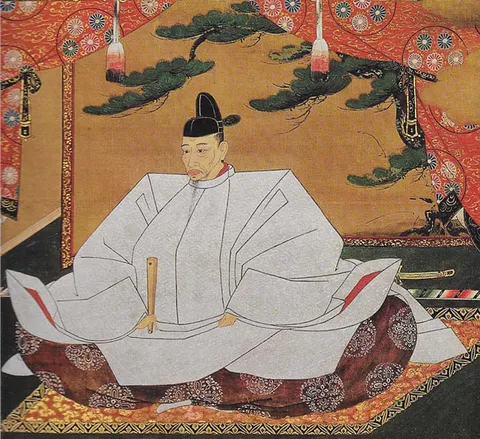
  • Toyotomi Hideyoshi1537 – 1598

    Unified Japan and launched the invasion of Korea

  • Ryu Seong-ryong1542 – 1607

    Chief State Councillor who directed the war effort during the Imjin War, proposed the Hullyeon Dogam, and wrote the Jingbirok

  • Sin Rip1546 – 1592

    General who made a back-to-the-river stand at Tangeumdae, Chungju, early in the Imjin War and died when routed by Konishi Yukinaga

  • Hyujeong (Seosan Daesa)1520 – 1604

    Buddhist master who, as supreme commander of monks, raised monk soldiers across the country in the Imjin War and joined the recapture of Pyongyang

  • Yujeong (Samyeong Daesa)1544 – 1610

    Hyujeong's disciple who led monk soldiers in the Imjin War and after the war went to Japan to negotiate and bring captives home

  • Won Gyun1540 – 1597

    Joseon naval commander who succeeded Yi Sun-sin but was crushed at Chilcheollyang

Themes this person appears in

  • Imjin War1592 – 1598

    From the Japanese invasion to the Battle of Noryang — the righteous armies, Yi Sun-sin at sea, and Ming intervention

  • Ming, Qing and Edo Japan1500 – 1800

    The age when the Ming, shaken by northern raiders, southern pirates and the silver economy, fell to Li Zicheng’s rebels, and the Manchu Qing reached its greatest extent and prosperity under Kangxi, Yongzheng and Qianlong — as Japan was unified out of the Warring States into the Edo shogunate’s bakuhan order and closed country, and Joseon, after two great wars, met its neighbours through embassies to Edo and the Northern Learning

  • Islamic Empires and the Atlantic World1500 – 1800

    Three centuries in which the Ottomans of Suleiman I, the Mughals of Akbar and the Safavids of Abbas I flourished and then faltered, while across the Atlantic the slave trade and colonies transformed the Americas, leading to American independence

  • Reformation and Absolutism1517 – 1796

    From Luther’s Ninety-five Theses to Catherine the Great — the wars of religion of a divided Christendom ended at Westphalia, and absolute monarchs armed with divine right, standing armies, bureaucracies and mercantilism, followed by the enlightened despots of eastern Europe, contended for the balance of power among sovereign states

  • Printing and Documentary HeritageAD 751 – 2011

    From the Dharani Sutra to the May 18 archives — woodblock and metal-type printing, and the records inscribed on the Memory of the World