France · History1787 – 179924 events

The French Revolution

From the Assembly of Notables and the Estates-General to the coup of 18 Brumaire — twelve years that toppled the absolute monarchy, founded a republic, passed through Terror and reaction, and ended with Napoleon
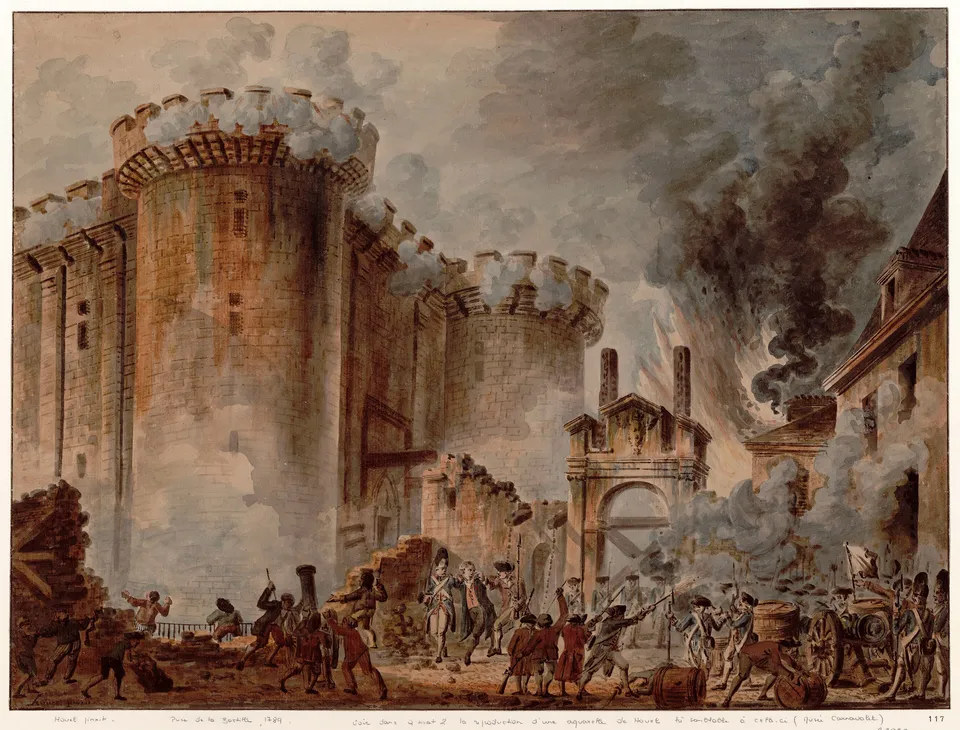
바스티유 습격, 1789년 7월 14일 — 장피에르 우엘의 수채화, 1789년, 프랑스 국립 도서관. 가운데에 붙잡힌 사령관 드 로네

Jean-Pierre Houël · Public domain · Source
At a glance

PeriodGovernmentWho held powerHow it ended
1789–1791National (Constituent) AssemblyKing and Assembly — Third Estate and liberal noblesConstitution of 1791
1791–1792Legislative Assembly (constitutional monarchy)King with a veto; assembly elected by propertied menInsurrection of 10 August
1792–1795National Convention (First Republic)Girondins → Montagnards and the Committee of Public Safety (the Terror)Constitution of Year III
1795–1799DirectoryFive Directors and two councils — BarrasCoup of 18 Brumaire
1799–1804ConsulateFirst Consul NapoleonNapoleon crowned emperor

The theme on the map

OpenFreeMap © OpenMapTiles © OpenStreetMap contributors

24 events in this theme

  1. The debt-ridden monarchy summoned the Notables in a bid to tax the nobility and clergy, but the privileged orders refused and reform stalled.

  2. At the first Estates-General in 175 years the orders split over how to vote, and the Third Estate proclaimed itself the National Assembly.

  3. Locked out of their hall, the Third Estate deputies gathered in a nearby real-tennis court and swore not to disperse until they had given France a constitution.

  4. Alarmed by risings in the countryside, the National Assembly voted in an all-night session to abolish seigneurial privileges, tithes and the sale of offices.

  5. The National Assembly declared that men are born free and equal in rights, and proclaimed popular sovereignty and the separation of powers.

  6. Angered by the price of bread, the women of Paris marched to Versailles, broke into the palace and brought the royal family back to the Tuileries in Paris.

  7. 1789 – 1799French Revolution

    A popular revolution overthrew the absolute monarchy and founded a republic, spreading the ideals of liberty, equality and fraternity.

  8. Parisians stormed the Bastille prison, the symbolic start of the French Revolution.

  9. Louis XVI and his family slipped out of Paris to flee to the border but were stopped at Varennes, destroying trust in the king.

  10. The National Guard fired on a crowd gathered to sign a petition for the king’s removal, splitting the revolutionaries into constitutional monarchists and republicans.

  11. France’s first written constitution set up a constitutional monarchy; the king kept a veto, and the vote went only to tax-paying men.

  12. The Paris crowd and provincial volunteers stormed the Tuileries Palace and defeated the Swiss Guards; the king was suspended and the monarchy fell.

  13. Revolutionary France declared war on Austria, and at Valmy its army halted the Prussians advancing on Paris.

  14. Elected by universal male suffrage, the National Convention abolished the monarchy at its first sitting and began counting days from “Year I of the Republic”.

  15. The National Convention sentenced “Citizen Louis Capet” to death for treason, and the king was guillotined in the Place de la Révolution.

  16. 1793 – 1796War in the Vendée

    Resisting the levy of 300,000 men, the peasants of western France rose for king and Catholic faith; repression and reprisals killed well over a hundred thousand.

  17. Charlotte Corday, a Girondin sympathiser, stabbed Marat in his bath; David’s The Death of Marat made him a martyr of the Revolution.

  18. Amid crises at home and abroad, the Committee of Public Safety made “terror the order of the day” and rounded up suspects; some 17,000 were officially executed.

  19. Held in the Conciergerie, the queen was condemned for treason by the Revolutionary Tribunal and guillotined the next day.

  20. Robespierre replaced the atheistic Cult of Reason with a state festival honouring the Supreme Being and the immortality of the soul, staged by David.

  21. Fearing they would be next, deputies had Robespierre arrested and executed; the Terror ended and the Revolution turned in a moderate direction.

  22. 1795 – 1799The Directory

    Under the Constitution of Year III five Directors and a two-chamber legislature ran France, relying more and more on the army amid revolts and coups from left and right.

  23. To cut Britain’s route to India, Napoleon invaded Egypt; he won the Battle of the Pyramids but lost his fleet at the Battle of the Nile and was cut off.

  24. Back from Egypt, Napoleon joined Sieyès to overthrow the Directory; the Consulate was set up with Napoleon as First Consul.

Key people

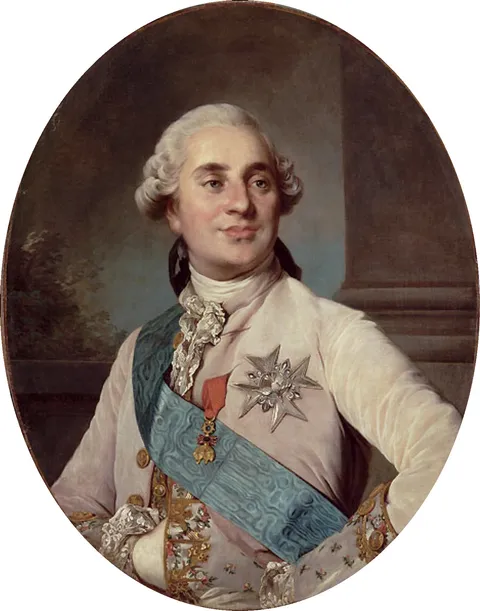
  • Louis XVI1754 – 1793

    King of France, executed during the Revolution

  • Maximilien Robespierre1758 – 1794

    Jacobin leader who dominated the Committee of Public Safety during the Reign of Terror and was guillotined after the Thermidorian Reaction of 1794

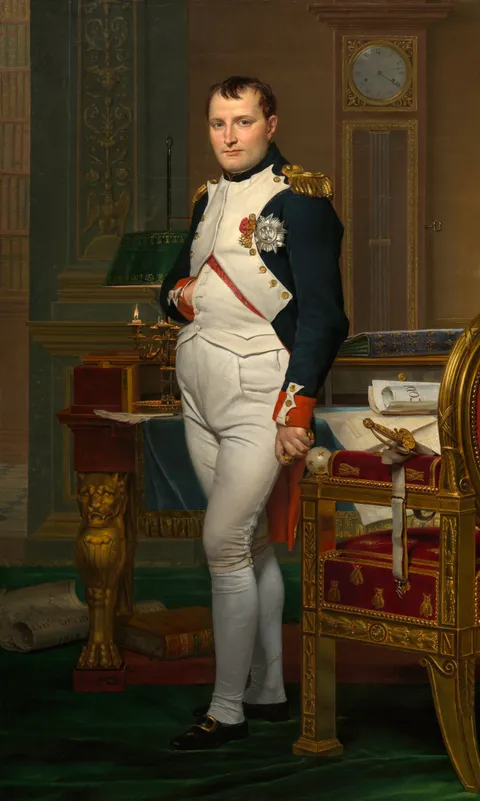
  • Napoleon Bonaparte1769 – 1821

    Revolutionary general, later Emperor of the French

  • Georges Danton1759 – 1794

    Revolutionary orator who led France as Minister of Justice in the crisis of 1792 and was guillotined in 1794 after calling for an end to the Terror

  • Emmanuel-Joseph Sieyès1748 – 1836

    Cleric and political theorist whose pamphlet What Is the Third Estate? opened the Revolution and who plotted the coup of Brumaire with Napoleon in 1799

  • Comte de Mirabeau1749 – 1791

    Nobleman elected for the Third Estate whose oratory led the early National Assembly towards a constitutional monarchy

  • Marquis de Lafayette1757 – 1834

    Nobleman and veteran of the American War of Independence who commanded the Paris National Guard and drafted the Declaration of the Rights of Man, and fled abroad in 1792, only to be held captive by the Austrians

  • Marie Antoinette1755 – 1793

    Queen of France, wife of Louis XVI, born a Habsburg archduchess of Austria; caught in the flight to Varennes and executed in 1793

  • Jacques-Louis David1748 – 1825

    Neoclassical painter and Convention deputy who painted The Tennis Court Oath and The Death of Marat, staged the revolutionary festivals and later became Napoleon’s court painter

  • Paul Barras1755 – 1829

    Convention deputy who led the Thermidorian Reaction and became the strongman of the Directory until the coup of Brumaire

  • Jean-Paul Marat1743 – 1793

    Physician turned journalist and Convention deputy whose paper L’Ami du peuple urged radical revolution; assassinated by Charlotte Corday in 1793

  • Charles Alexandre de Calonne1734 – 1802

    Controller-General of Finances to Louis XVI (1783–1787) whose plan to tax the privileged orders was rejected by the Assembly of Notables