CultureJune 682(Lunar)

Founding of the National Academy (Gukhak)

King Sinmun founded the Gukhak, a Confucian academy to train officials steeped in Confucian political ideals who would support the throne.
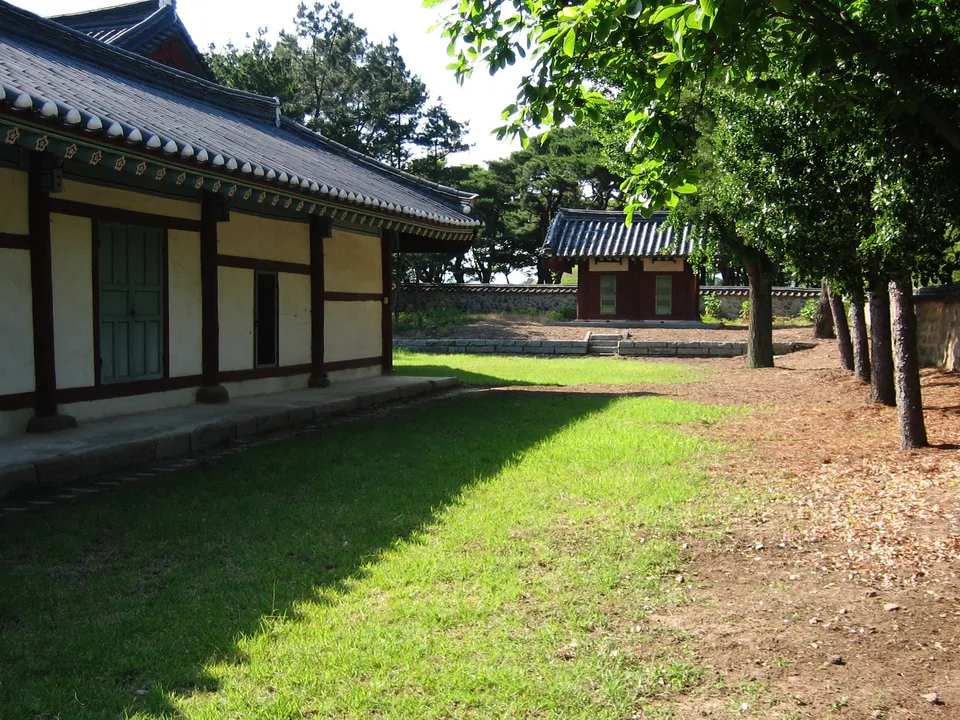
Gyeongju Hyanggyo, traditionally said to stand on the site of Silla’s Gukhak (buildings from the Joseon period)

Alain Seguin · CC BY-SA 3.0 · Source

Students aged 15 to 30 studied for up to nine years, with the Analects and the Classic of Filial Piety as required texts. King Gyeongdeok renamed it the Taehakgam.

Head-rank-six Confucian scholars now served the king. Gangsu was famed for diplomatic letters, while Wonhyo’s son Seol Chong systematized idu to read the classics in Korean and wrote the parable Hwawanggye urging Sinmun to keep to virtue.

The map in AD 682

OpenFreeMap © OpenMapTiles © OpenStreetMap contributors

States and rulers at the time
Silla — King Sinmun
Places
Seorabeol (Gyeongju)

People

  • King SinmunAD 692

    monarch · Munmu's son and 31st king of Silla, who crushed Kim Heum-dol's revolt and strengthened royal power through the National Academy, the nine provinces and office-land grants

  • Seol Chong

    related figure · Wonhyo's son, who systematized idu to read the Confucian classics in Korean and wrote the parable Hwawanggye for King Sinmun

  • Gangsu

    related figure · Head-rank-six Confucian scholar of Silla whose skill at diplomatic letters served Kings Muyeol and Munmu

Before and after

Themes that include this event

  • Educational Institutions Through the AgesAD 372 – 1943

    From the Taehak and Gukhak to the Gukjagam and Seonggyungwan, modern schools and the colonial education ordinances — state schools that trained officials and the private schools that filled the gaps