Politics3 September 1783

Treaty of Paris (1783)

Also called: Peace of Paris (1783)

Britain recognised American independence and ceded the lands east of the Mississippi and south of the Great Lakes.
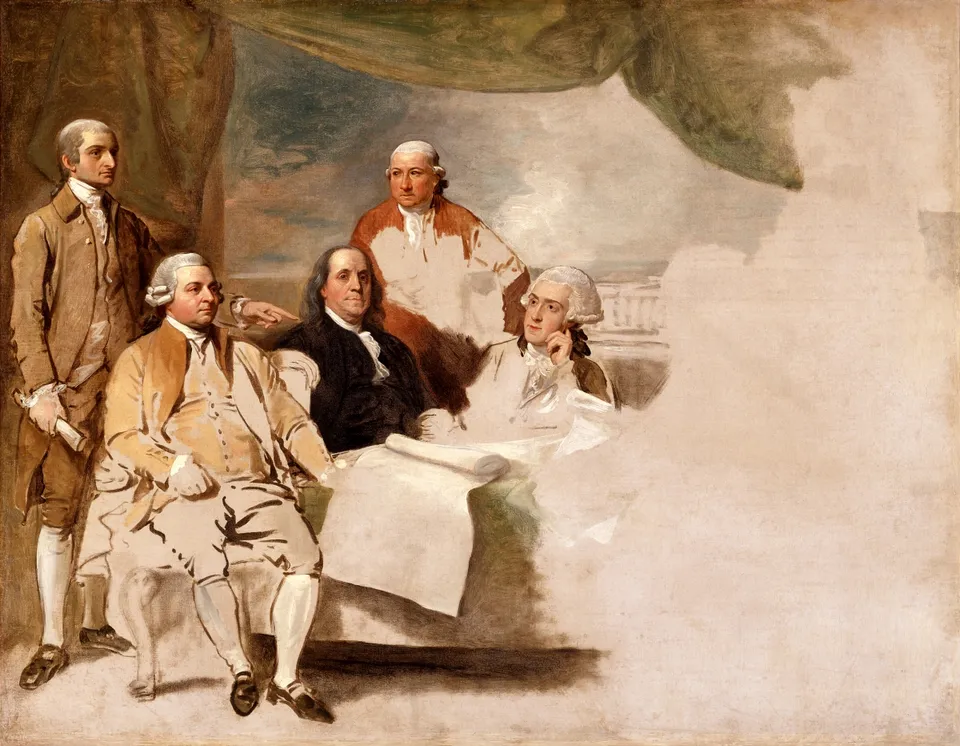
Benjamin West’s unfinished painting of the American peace commissioners — Jay, Adams, Franklin and others. The British delegates refused to sit, leaving the right side blank

Benjamin West · Public domain · Source

After Yorktown Parliament resolved to end the war, and Benjamin Franklin, John Adams and John Jay negotiated with Britain in Paris. By the treaty signed on 3 September 1783 Britain recognised the independence of the United States and ceded lands reaching west to the Mississippi, north to the Great Lakes and south to Florida (returned to Spain). The Native nations who lived on those lands had no part in the negotiations.

Tens of thousands of Loyalists left for Canada, Britain and the West Indies, and about 3,000 Black Americans who had been promised freedom for serving Britain sailed from New York to Nova Scotia. British troops left New York in November, and in December Washington returned his commission to Congress at Annapolis and went home to Mount Vernon.
The map in 1783

OpenFreeMap © OpenMapTiles © OpenStreetMap contributors

States at the time
United States · signatory
Great Britain · signatory
Places
Paris

People

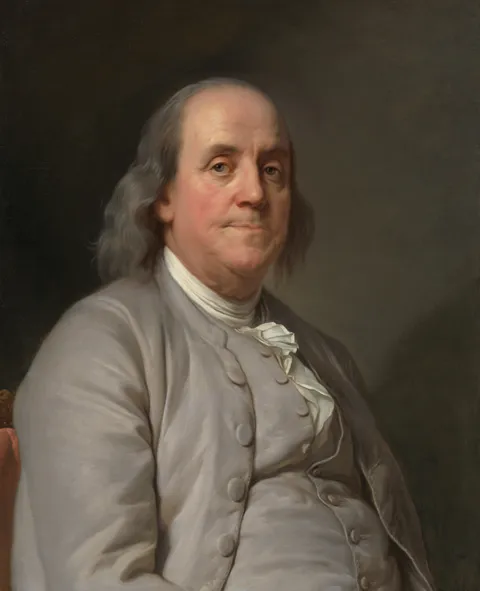
  • Benjamin Franklin1706 – 1790

    diplomat · Philadelphia printer, scientist and diplomat who signed the Declaration and the Constitution and won the French alliance in Paris

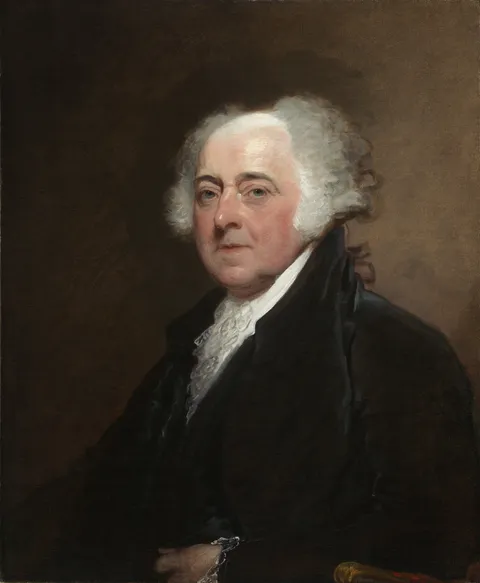
  • John Adams1735 – 1826

    diplomat · Massachusetts lawyer and statesman who championed independence in Congress, negotiated the Treaty of Paris and became the second US president (1797–1801)

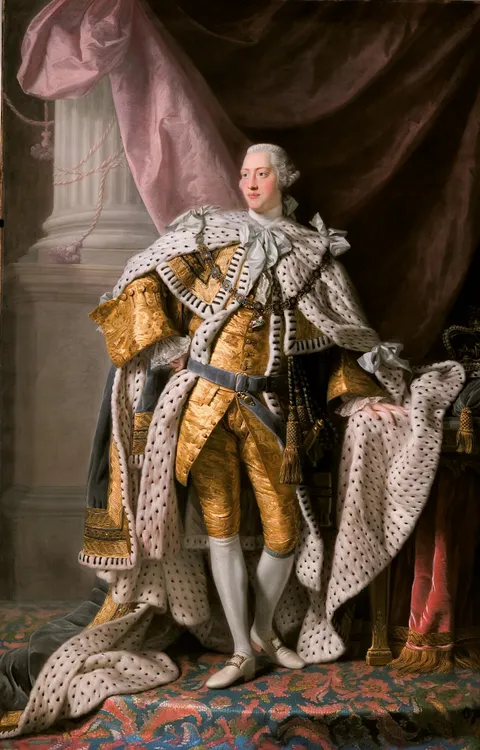
  • George III1738 – 1820

    monarch · King of Great Britain (r. 1760–1820), in whose reign the thirteen American colonies won independence

Before and after

Earlier
1781 Siege of Yorktown

Themes that include this event

  • The American Revolution1765 – 1789

    From the Stamp Act to Washington’s inauguration — thirteen colonies that cried “No taxation without representation” fought Britain for eight years, won their independence and framed a new republic under the Constitution