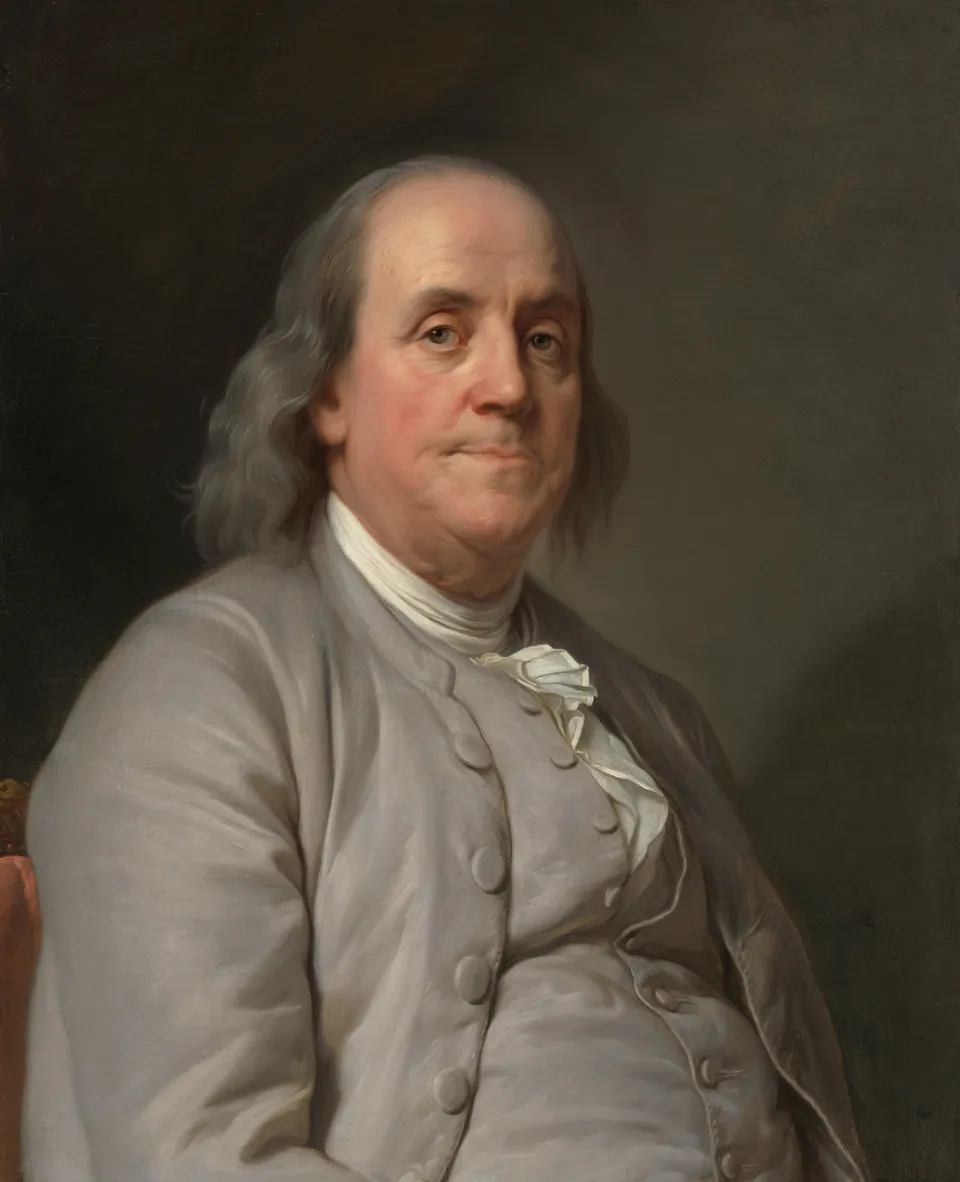
Joseph-Siffred Duplessis · Public domain · Source
Person1706 – 1790
Benjamin Franklin
Philadelphia printer, scientist and diplomat who signed the Declaration and the Constitution and won the French alliance in Paris
Joseph-Siffred Duplessis · Public domain · Source
Philadelphia printer, scientist and diplomat who signed the Declaration and the Constitution and won the French alliance in Paris
Delegates of the thirteen colonies, meeting in Philadelphia, declared independence from Great Britain.
Burgoyne’s British army, marching south from Canada along the Hudson, lost two battles at Saratoga and surrendered; the victory brought France into alliance with the United States.
Britain recognised American independence and ceded the lands east of the Mississippi and south of the Great Lakes.
The Constitutional Convention at Philadelphia drafted the US Constitution, creating a federal government with separated powers — the oldest written national constitution still in use.
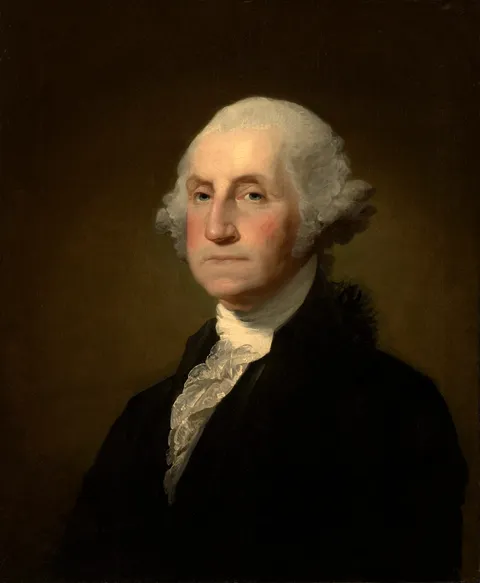
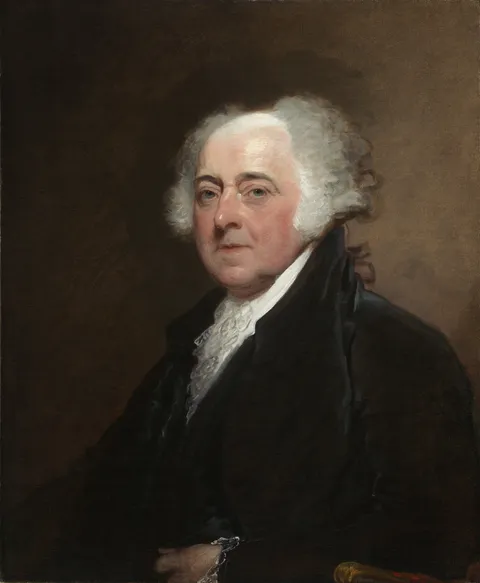
Massachusetts lawyer and statesman who championed independence in Congress, negotiated the Treaty of Paris and became the second US president (1797–1801)
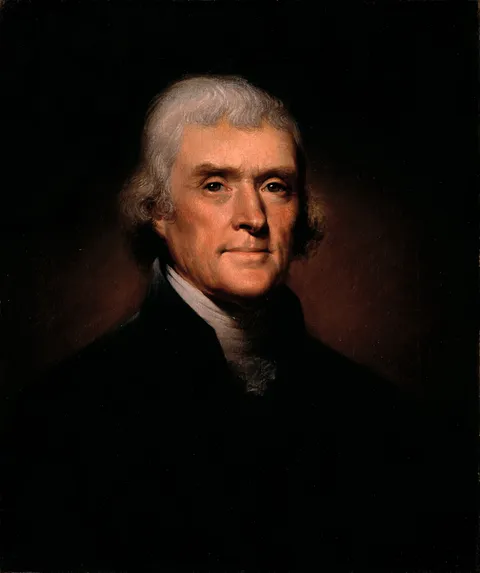
Virginia statesman who drafted the Declaration of Independence and became the third US president (1801–1809)
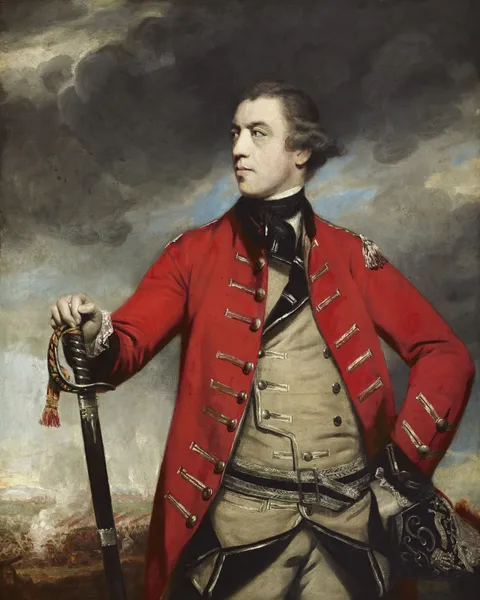
British general and playwright who marched south from Canada in 1777 and surrendered at Saratoga
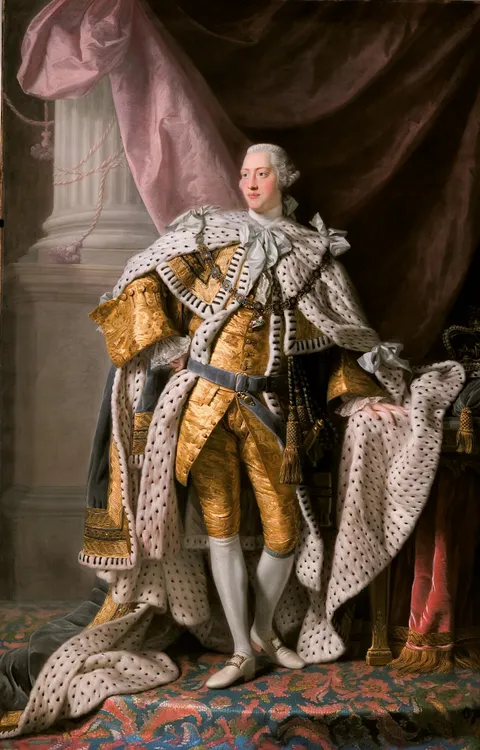
King of Great Britain (r. 1760–1820), in whose reign the thirteen American colonies won independence
Three centuries in which the Ottomans of Suleiman I, the Mughals of Akbar and the Safavids of Abbas I flourished and then faltered, while across the Atlantic the slave trade and colonies transformed the Americas, leading to American independence
The Scientific Revolution from Copernicus to Newton, parliamentary government in England won through the Puritan and Glorious Revolutions, and the Enlightenment that sought to remake society by reason — the groundwork of the civic revolutions and the Industrial Revolution
From the Declaration of Independence to the German Empire — a century in which liberalism and nationalism toppled the old order in Europe and the Americas and built nation-states
From the Stamp Act to Washington’s inauguration — thirteen colonies that cried “No taxation without representation” fought Britain for eight years, won their independence and framed a new republic under the Constitution