Local history1601 – 19197 events
Suwon
From Jeongjo’s new city of Hwaseong to the tragedy of Jeam-ri — where a king’s filial devotion and reform politics were built into stone walls
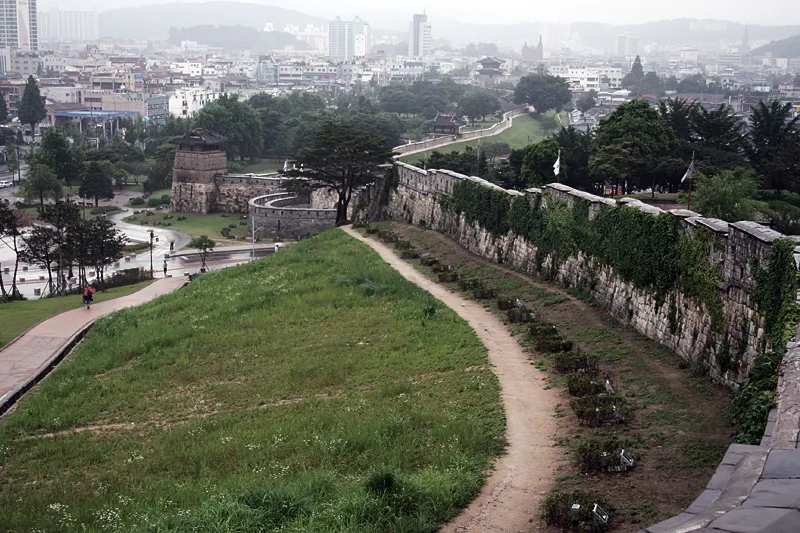
d'n'c (a flickr user) · CC BY-SA 2.0 · Source
From Jeongjo’s new city of Hwaseong to the tragedy of Jeam-ri — where a king’s filial devotion and reform politics were built into stone walls
d'n'c (a flickr user) · CC BY-SA 2.0 · Source
| Period | Event | Key points |
|---|---|---|
| Joseon | Hwaseong construction uigwe | Crane drawings, records; basis for restoration |
| Late Joseon | Death of Crown Prince Sado | 1762 → tomb moved to Suwon 1789 |
| Late Joseon | Jangyongyeong | Jeongjo’s guard; outer camp at Hwaseong |
| Late Joseon | Hwaseong built | Jeong Yak-yong’s design, crane; World Heritage |
| Late Joseon | Royal procession | Lady Hyegyeong’s 60th; pontoon bridge; uigwe |
| Colonial era | March First Movement | Protests around Suwon and Hwaseong |
| Colonial era | Jeam-ri massacre | Revenge for Balan protest; church burned |
Illustrated records of royal weddings, funerals, investitures and building works, in text and pictures; Memory of the World since 2007.
Yeongjo deposed the crown prince and locked him in a rice chest in front of Munjeongjeon Hall at Changgyeonggung; Prince Sado died eight days later.
Jeongjo created the Jangyongyeong royal guard with an inner garrison in the capital and an outer one at Hwaseong in Suwon; through the chogye munsin system he retrained young officials.
Jeongjo built a new fortress at Suwon, where he had moved his father’s tomb. Jeong Yak-yong helped design it and introduced a crane; the work was recorded in a detailed royal protocol.
In 1795 King Jeongjo took his mother, Lady Hyegyeong, to Hwaseong — where his father Crown Prince Sado lay in Hyeollyungwon — for her sixtieth birthday. The whole journey was recorded in the Wonhaeng Eulmyo Jeongni Uigwe and painted on folding screens.
Beginning on 1 March 1919 with the reading of a declaration of independence, demonstrations spread across the country. It led to the founding of the Provisional Government of the Republic of Korea.
Japanese troops herded the men of Jeam-ri, Hwaseong, into the church, shot them and set it on fire, killing over twenty.
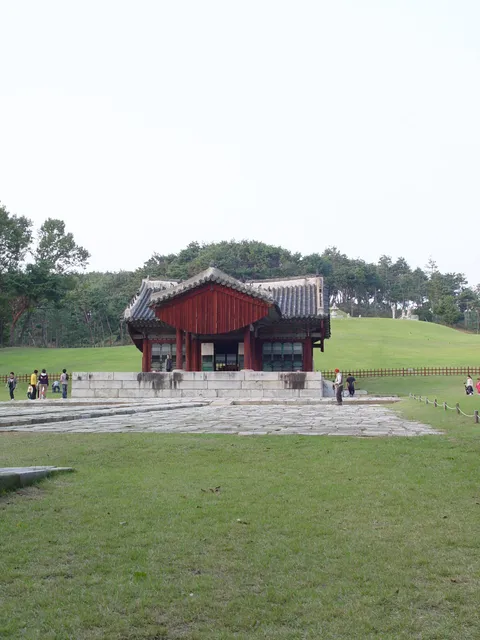
Twenty-second king of Joseon, founder of the Gyujanggak library and builder of Hwaseong Fortress
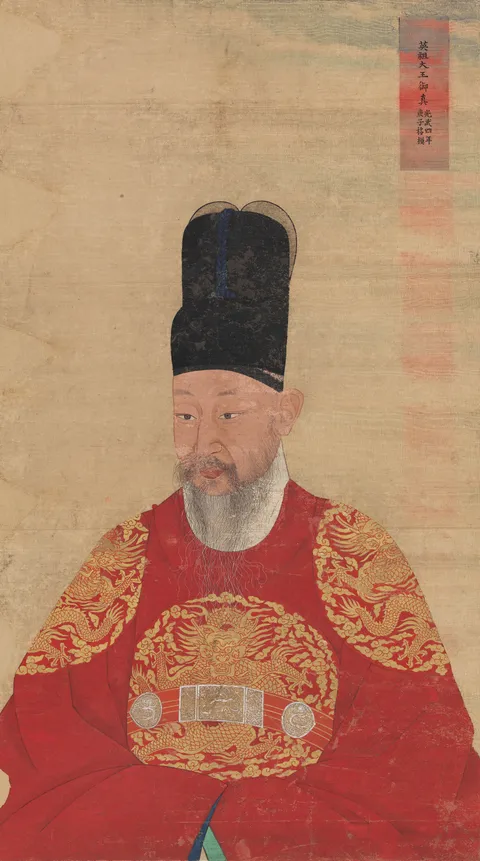
Twenty-first king of Joseon, known for his impartiality policy and tax reform, and for the death of his son
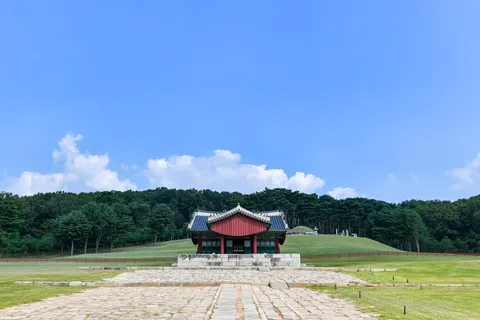
Silhak scholar who helped design Hwaseong; exiled to Gangjin, where he wrote the Mongmin simseo