Local historyAD 450 – 18958 events
Chungju
From the Goguryeo stele to Tangeumdae — Jungwon, the middle of the Namhan River route that the Three Kingdoms fought over
From the Goguryeo stele to Tangeumdae — Jungwon, the middle of the Namhan River route that the Three Kingdoms fought over
| Period | Event | Key points |
|---|---|---|
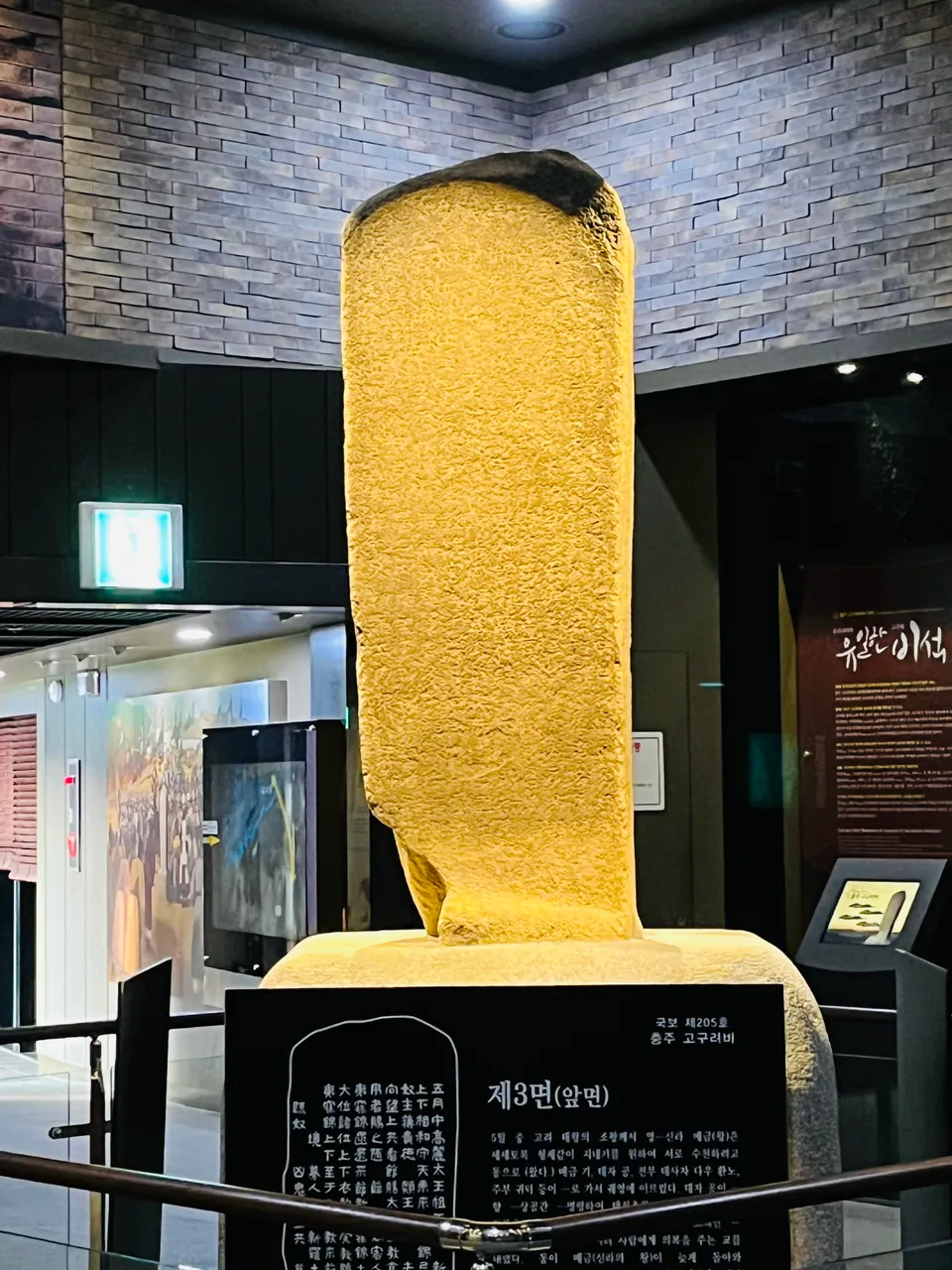
| Goguryeo | Chungju Goguryeo Stele | “Great King of Goryeo”; robes given to Silla |
| Goguryeo | Jangsu’s push south | Hanseong taken, 475; upper Namhan held |
| Unified Silla | Gugwon (Jungwon) | A secondary capital; Tappyeong-ri pagoda |
| Goryeo | Siege of Chungju | Kim Yun-hu burns slave rolls; Dain iron-so |
| Joseon | Chungju archive | One of four archives for the Annals |
| Joseon | Battle of Tangeumdae | Sin Rip’s river-back stand fails → king flees |
| Opening era | Imo Incident | The queen hides at Janghowon, Chungju |
| Opening era | Eulmi Righteous Army | Yu In-seok takes Chungju fortress |
A stele Goguryeo raised at Chungju on the Namhan River — the only Goguryeo stele left on the peninsula, showing that Goguryeo reached the upper Namhan valley and held sway over Silla.
King Jangsu took the Baekje capital Hanseong with 30,000 troops and killed King Gaero; Baekje moved its capital to Ungjin (Gongju).
King Sinmun divided the realm into nine provinces (ju) and set up five secondary capitals (sogyeong), completing the provincial system of unified Silla.
In the fifth Mongol invasion Kim Yun-hu held Chungju for more than 70 days, burning the registers of government slaves to promise their freedom and rallying the defenders.
Under King Taejong the Annals of King Taejo were compiled, beginning the practice of compiling each king’s annals after his death. They cover 472 years, from Taejo to Cheoljong, in chronological form.
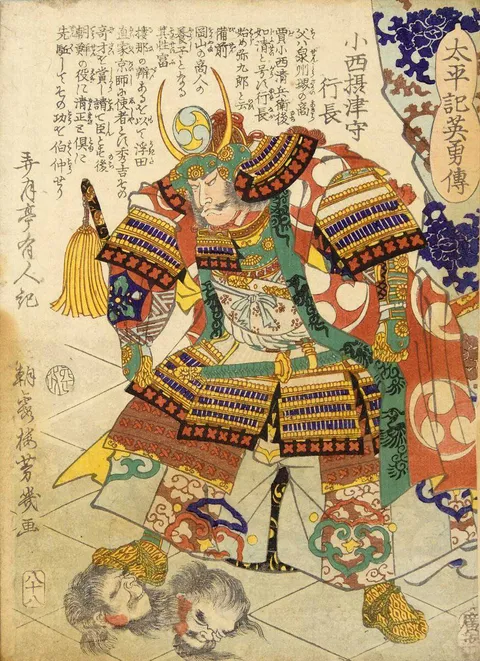
Sin Rip made a stand with a river at his back at Tangeumdae, Chungju, against Konishi Yukinaga’s Japanese army, but was routed and died. When Chungju fell, King Seonjo fled the capital.
Old-style soldiers angry over unpaid wages rose up and attacked the Japanese legation. The Daewongun briefly returned to power until Qing troops seized him.
Enraged by the queen’s murder and the topknot decree, Confucian scholars such as Yu In-seok and Yi So-eung raised righteous armies; most disbanded after Gojong urged them to in 1896.
Twentieth king of Goguryeo, who moved the capital to Pyongyang and took the Han River basin

Munmu's son and 31st king of Silla, who crushed Kim Heum-dol's revolt and strengthened royal power through the National Academy, the nine provinces and office-land grants
Monk-turned-commander who killed the Mongol general Sartai at Cheoin in 1232 and held Chungju for 70 days in 1253

Third king of Joseon, who seized power in the Strifes of Princes and strengthened royal authority
General who made a back-to-the-river stand at Tangeumdae, Chungju, early in the Imjin War and died when routed by Konishi Yukinaga
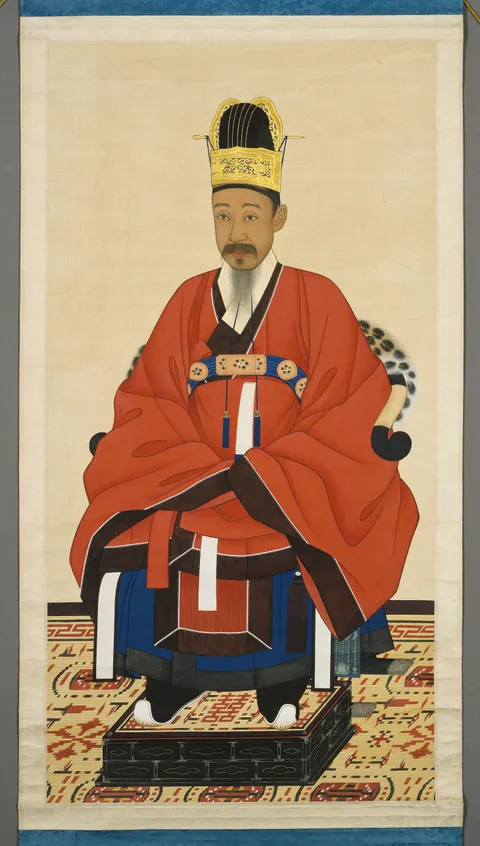
Gojong's father and regent, who rebuilt Gyeongbokgung and rejected Western trade
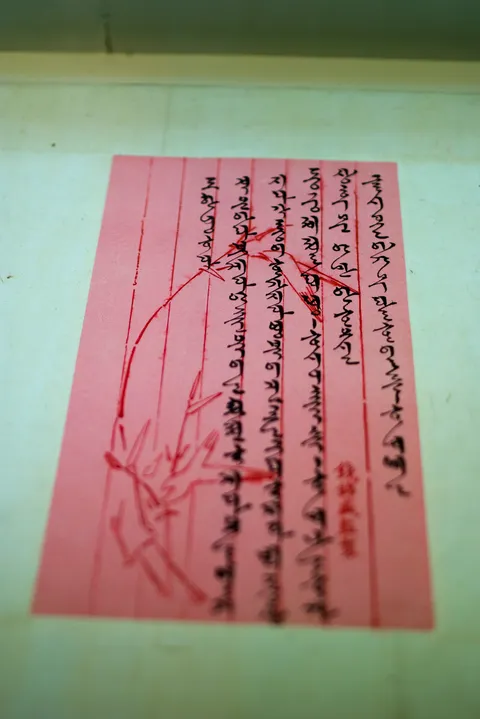
Gojong's queen, who resisted Japanese influence and was assassinated in Gyeongbokgung
Confucian loyalist who raised the 1895 righteous army at Jecheon and later led the Thirteen-Province Army in the Russian Maritime Province